Review · BIG ISLAND
Manta Ray Night Snorkel Kona – Coral Reef Snorkel Adventures
Night swimming changes everything. This Kona manta ray snorkel gives you a close look at wild manta rays feeding beneath a floating lightboard, often within inches of your face. I like the small-boat setting and the chance to hear guides such as Jacob, Jeff, Kody, and Erika explain the animals’ behavior while you watch.
I also like that the tour includes snorkel equipment, snacks, and non-alcoholic drinks. The main caution is the open-ocean ride, which can be fast and rough, and the group-size information needs careful checking because the experience is promoted as small-group, while the operating limit is also listed as 12 people.
Key points before you book
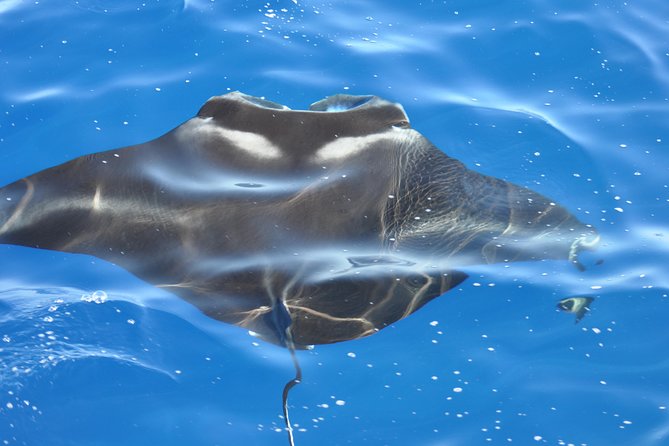
- Manta rays are usually the main event: The stated chance of seeing them is above 90 percent, but sightings are still controlled by wild animals and sea conditions.
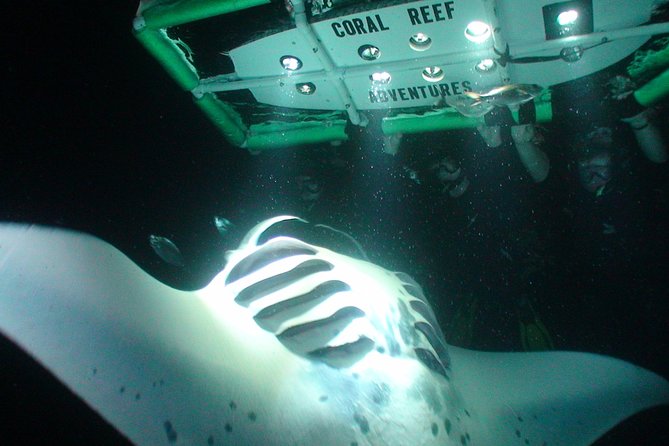
- The lightboard creates the action: Plankton gathers beneath the lights, bringing manta rays close as they feed and turn.
- The boat ride can be rough: The trip out and back may take about 20 to 25 minutes each way and can feel bumpy on a small vessel.
- You hold the board for 30 to 45 minutes: This is not a passive boat ride. You need to swim, float, and keep your arms extended while watching below.
- Small-group claims vary: Some bookings are described as capped at six, while the additional tour information and company response give a maximum of 12.
- Book early in your vacation: If the rays do not appear, the company may offer another trip, but that help is only useful if you still have time on the island.
Meeting at Honokohau Small Boat Harbor
The tour begins at Coral Reef Snorkel Adventures, at 74-425 Kealakehe Parkway in Kailua-Kona. You meet the crew there, get ready, and board the boat at Honokohau Small Boat Harbor. The activity ends at the same meeting point.
The entire outing lasts about 90 minutes. That makes it easy to fit into a Kona evening, but do not mistake the short duration for a gentle activity. A good part of the time is spent moving across open water, getting into the sea, watching the manta rays, and climbing back aboard.
You receive confirmation when you book, and the experience is offered in English. The company has a strong overall rating of 4.8 from 376 ratings, with 94 percent of people recommending it. Those numbers fit the general picture: the manta encounter can be astonishing, while the boat, water conditions, and group arrangement determine how comfortable the evening feels.
More Reef Snorkeling in Big Island
- Kona Snorkel Tour: Captain Cook Reef Snorkel, Dolphin & Sea Caves
★ 4.5 · 1,411 reviews - Two Reef Snorkel Trip-See Captain Cook Monument & Sea Caves
★ 5.0 · 347 reviews - Captain Cook Reef Snorkeling of Kealakekua Bay
★ 5.0 · 133 reviews
The ride into the dark ocean
The boat ride is part of the adventure, but it is also the biggest point of caution. Several accounts describe a quick, bumpy ride of roughly 20 to 25 minutes to the viewing area, followed by a similar ride back. A small boat lets the crew move a limited number of people and can provide closer access to the water, but it also moves more in ocean swells.
One person described the ride as very rough and said some people chose not to enter the water afterward. Another found the boat exciting, with stars overhead and a beautiful sunset before darkness settled in. Both impressions can be true. Open-ocean conditions change, and the company says its captains cancel when conditions are unsafe.
If you get seasick, plan ahead. The company recommends discussing prevention with a health professional. That is especially sensible here because you may spend time sitting on a moving boat, then remain relatively still at the viewing site while holding the board.
You also need to be comfortable in the water. The tour requires you to swim without help from a flotation device, and it asks for a moderate level of fitness. The listed maximum weight is 280 pounds per person. The activity is not recommended for people with neck problems.
Preparing for the lightboard
At the viewing area, the crew gives instructions, helps you with your mask and snorkel, and explains how to behave around the manta rays. Snorkel equipment is supplied. Wetsuit gear is also described in the trip experience, and one account noted that a wetsuit jacket helped but did not keep a thin person completely warm.
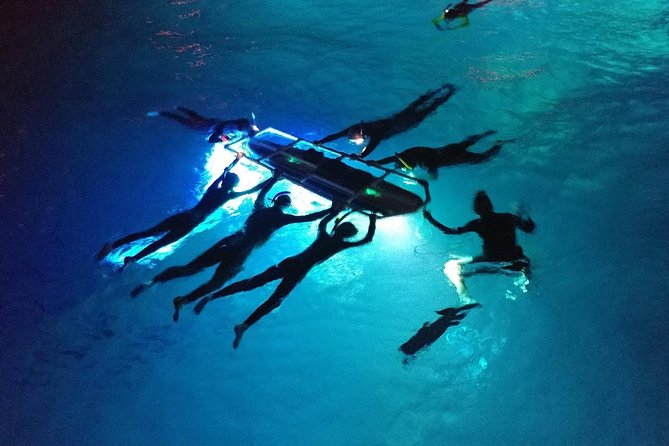
You enter the water and hold onto a large lightboard. The lights attract plankton, and the manta rays arrive to feed. Your job is simple: keep your face in the water, look beneath the board, and avoid kicking or reaching toward the animals.
The board setup gives you a steady place to hold, but your arms can tire. One person said the required Superman-style position caused sore shoulders and arms the following day. That is useful advice: do not grip the board harder than necessary. Relax your shoulders and let the equipment do some of the work.
You may need to balance two goals. If you submerge your head fully, you get a better view, but you may miss some of the guide’s explanations. If you lift your head to listen, you can lose sight of a manta turning below. I would listen carefully at the start, then spend the main viewing time looking down.
Watching manta rays feed beneath you
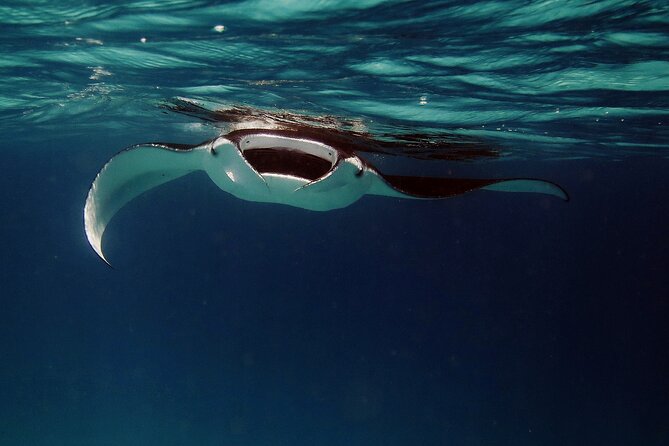
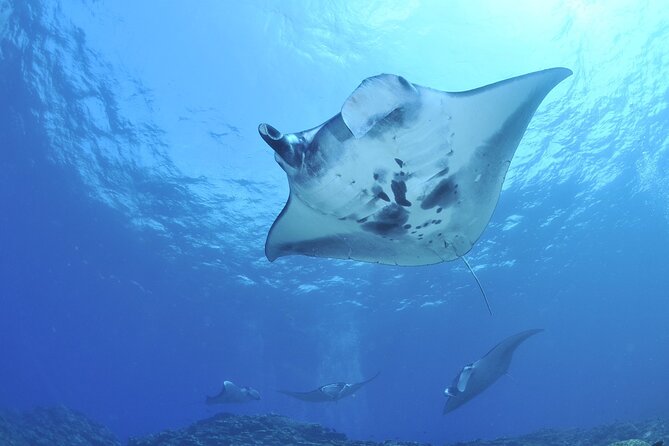
This is where the tour earns its price. Manta rays glide beneath the lightboard, rolling and turning as they filter plankton from the water. Several accounts describe rays coming within inches of the swimmers, sometimes passing just below a torso or brushing close enough to feel startlingly personal.
The numbers can vary. Some outings have produced one or two manta rays, while others have seen six, 10, 11, or roughly a dozen. One group watched a manta make three rolls within inches of them. Another saw four rays spinning beneath the board at the same time.
The appeal is not simply counting animals. You are watching a wild feeding routine in the dark, with the lightboard showing the rays from below. The setting makes every movement feel larger. A slow turn can become a full circle under your face, and a ray that disappears into the black water can return seconds later.
You may also see fish, bioluminescence, and what one account described as fairy plankton. These details add interest, but the manta rays remain the reason to book. There is no guarantee of a particular number, or even of a sighting, despite the advertised chance above 90 percent.
The rules matter. You should not touch the manta rays or interfere with their feeding. Some accounts noted that heavy kicking seemed to keep the animals farther away. Stay calm, keep your legs still, and let the rays choose their distance.
More Reef Snorkeling in the USA
- Best Coral Reef Snorkel Tour in Kona – Protected Marine Sanctuary
★ 5.0 · 118 reviews - Kona Shore Excursion: Wild Dolphin Reefs Snorkel and Sea Caves
★ 4.5 · 73 reviews - Two Tank Morning Reef Dive and Snorkel
★ 5.0 · 54 reviews - Dolphin, Sea Cave, Captain Cook, Kealakekua Bay Reef Snorkeling
★ 4.5 · 47 reviews
How the guides shape the experience
The crew receives some of the strongest praise. Jacob is repeatedly singled out for clear explanations and a reassuring manner. Jeff, Kody, Erika, Alexis, Danny, Louie, Adam, and Dustin are also named positively in different accounts.
That matters because a night snorkel can feel strange at first. You are in dark water, holding a board, listening for instructions, and waiting for large animals to appear beneath you. A calm guide helps you get your mask adjusted, understand the viewing position, and settle down before the first manta arrives.
Captain Alexis was praised for helping someone with strong anxiety feel safe. Jacob was described as especially helpful and full of information. Captain Louie was remembered as entertaining during the boat ride. These details suggest a crew that pays attention to the human side of the experience, not just the wildlife.
The guides also explain manta behavior and habitat. I value that part because it turns a quick wildlife sighting into something you can understand. You are not just watching a large shape pass by. You learn why it is circling the lights and how to give it room.
Small boat, small group, or up to 12 people?
The small-boat format is one of the tour’s biggest selling points. A limited number of people means less crowding around the board, easier access to the guide, and less waiting while everyone gets in and out of the water.
However, the exact capacity deserves attention. The main experience description says the group is capped at six, while the additional information says the activity can include up to 12 people. The company has also clarified that its Coast Guard-certified boats carry a maximum of 12 people and that private charters are available for a fully exclusive outing.
That is a meaningful distinction at $125 per person. If you are expecting six people and arrive to find 12, the trip may feel less intimate than promised. One dissatisfied participant specifically raised this concern, even while praising the guide and the manta sighting.
I would contact the operator before booking if the group size is central to your decision. Ask how many people are scheduled for your departure and which boat will operate it. Compared with boats carrying 30 to 50 or more people, a 12-person boat is still relatively small. It is simply not the same as a six-person trip.
Cold water, wet suits, and the climb back aboard
The water can feel cold once you stop moving. One thin swimmer wished for more warmth even with a wetsuit jacket, and another person described the ride back as chilly. Bring a towel, which is specifically required and not supplied.
Your shoes and water shoes come off when you board and remain stored during the trip. Items you bring are kept in a dry cabinet, so take only what you need. After the swim, your towel becomes especially useful on the ride back.
Getting out of the water can be harder than getting in. You climb a ladder into the boat, and this may be uncomfortable if you have knee problems or limited upper-body strength. The company lists a moderate fitness requirement and does not recommend the tour for people with neck issues, so take those warnings seriously rather than treating them as routine fine print.
The overall effort is manageable for a confident swimmer, but it is not ideal for someone who struggles to tread water, pull up a ladder, or hold onto a board for half an hour.
What $125 gets you
At $125 per person, this is not a cheap add-on. You are paying for the boat, crew, snorkel equipment, wetsuit-related gear described during preparation, guide instruction, and the chance to see a large wild animal at close range.
The value is strongest when the manta rays appear close to the board. A dozen rays, or even two rays making repeated passes beneath you, can make the price feel reasonable. The experience also avoids the feel of a very large boat outing, assuming your departure has the smaller group you expect.
The value is weaker if rough water makes you sick, if you cannot comfortably hold the board, or if no manta rays appear. The company may allow a return trip after a missed sighting, which improves the value, but only if you have time remaining on the Big Island.
I would schedule this earlier in your vacation rather than on your final night. That gives you a chance to try again if weather or wildlife does not cooperate. It also leaves room to recover from sore shoulders, a cold ride, or seasickness before your next activity.
Snacks and non-alcoholic drinks are included, though timing and temperature may vary. One person received drinks only afterward, and another found them hot. Think of the refreshments as a welcome extra, not a major reason to choose the tour.
Who should book this Kona manta ray snorkel?
I would recommend it to confident swimmers, families with older children who can follow instructions, couples looking for a memorable evening, and anyone excited by close wildlife encounters. The crew has reassured nervous participants, and children have enjoyed seeing the rays turn and roll beneath the board.
You should think twice if you are prone to motion sickness, uncomfortable in dark open water, sensitive to cold, or unable to hold a board for 30 to 45 minutes. People with neck problems should not choose it, and anyone with knee concerns should consider the ladder climb carefully.
The activity is also not a good match for someone seeking a calm, dry boat ride. The ocean may be choppy, the ride may be fast, and you will need to get into the water at night. That is part of the thrill, but it is also the reason this outing is not for everyone.
FAQ
How long does the manta ray night snorkel last?
The experience lasts approximately 1 hour and 30 minutes, including the boat ride, time in the water, and return to the meeting point.
Where does the tour start and finish?
You meet Coral Reef Snorkel Adventures at 74-425 Kealakehe Parkway in Kailua-Kona, near Honokohau Small Boat Harbor. The tour ends back at the same meeting point.
Is snorkeling equipment included?
Yes. Snorkeling equipment is provided. You should bring your own towel.
Do I need to be a strong swimmer?
You must be able to swim without assistance from a flotation device. The activity also requires a moderate level of physical fitness.
How many people can join the tour?
The experience is promoted in some places as a small-group trip with up to six people, while the additional tour information and company clarification state that the boat can carry up to 12 people. Contact the operator if the exact group size matters to you.
What happens if the manta rays do not appear?
The company may offer the chance to return at no charge if there is no manta sighting. Schedule the tour early in your island stay so you have time to use that option.
Should you book it?
Book this tour if seeing manta rays close up is high on your Big Island list. The strongest outings bring several rays within inches of the lightboard, and the guides add useful explanations without turning the experience into a lecture.
Go in with realistic expectations. The boat can rock, the water can be cold, your shoulders may ache, and the actual group size may be as high as 12. But if you can swim, tolerate open water, and accept a little discomfort, this is a powerful way to meet Kona’s manta rays on their terms. Schedule it before your final night, bring a towel, prepare for the ride, and leave room in your plans for the ocean to make the final call.
More Night Snorkeling Trips in Big Island
- Glow of the Deep: Night Snorkeling with Manta Rays
★ 4.5 · 1,254 reviews - Manta Magic: Small-Group Manta Ray Night Snorkel in Kailua Kona
★ 5.0 · 1,141 reviews - Manta Ray Night Snorkel in Kona
★ 5.0 · 777 reviews - Manta Ray Night Snorkel from Kona — Small Group
★ 4.5 · 657 reviews
More Whale Shark and Manta Ray Snorkeling in Big Island
- Big Island Manta Ray Night Snorkel
★ 5.0 · 5,656 reviews - Big Island: Kona Manta Ray Snorkel Tour in Keauhou Harbor
★ 4.5 · 2,465 reviews - KONA Manta Ray Night Snorkel – FREE re-ride if no Sightings
★ 5.0 · 2,212 reviews - Manta Ray Night Snorkel at Kona, Big Island
★ 5.0 · 1,758 reviews
Just added around Big Island
- Waikoloa Catamaran Snorkel Sail Including Lunch★ 4.5 · 105 reviews
- 2-Hour Dolphin Watching and Double Reef with Snorkel in Hawaii★ 5.0 · 23 reviews
- Ultimate Ocean Encounters Midday Snorkel★ 4.5 · 43 reviews
- Two Tank Morning Reef Dive and Snorkel★ 5.0 · 54 reviews
- Kona Luxury Catamaran Yacht Snorkel & Sail★ 5.0 · 40 reviews
- Sunset Cruise & Manta Night Snorkeling Charter★ 5.0 · 16 reviews
- Manta Ray Night Snorkel Tour in Kailua-Kona, Big Island★ 5.0 · 382 reviews
- One Tank Manta Night Dive and Snorkel★ 5.0 · 56 reviews
Whale Shark and Manta Ray Snorkeling, compared.
️Nusa Penida by Private Boat – Snorkeling 4 spots, Swim with Mantas + Land Tour
Read our review →
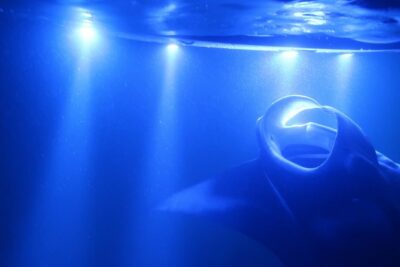
Kona Manta Ray Snorkel Tour in Keauhou Harbor
Read our review →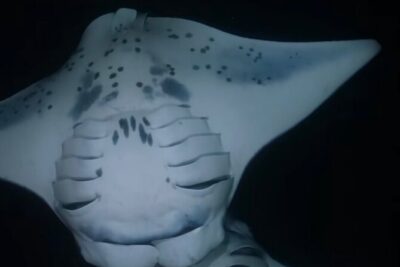
KONA Manta Ray Night Snorkel – FREE re-ride if no Sightings
Read our review →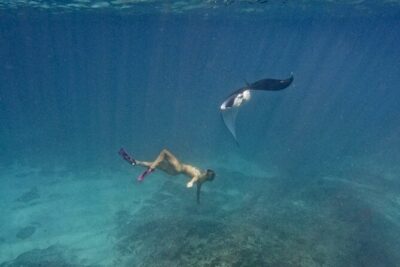
Nusa Penida day trip: boat, 4 snorkeling, Manta rays & Land tour
Read our review →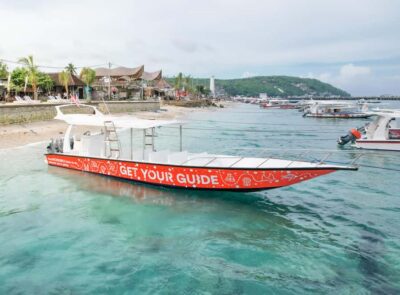
Bali/Nusa Penida: Manta Point Snorkeling & West Coast Tour
Read our review →