
Review · BIG ISLAND
Small-Group Snorkel at Kealakekua Bay in Captain Cook, Big Island
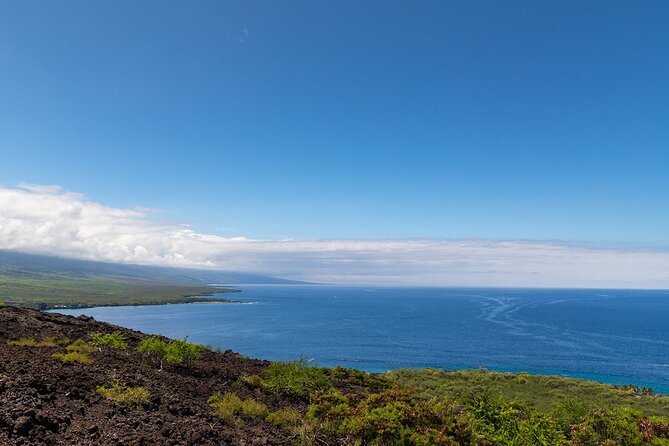
Early water is the prize. This three-hour Kealakekua Bay snorkel trip from Captain Cook puts you in a small boat with about 11 to 12 people, often reaching the bay before the larger boats. I like the extra water time created by the small group, and I like the chance to see clear reef water, colorful fish, coral, dolphins, and seasonal whales without being packed into a floating crowd.
The main drawback is simple: you need to swim without help from a flotation device, and the boat has no restroom. Wildlife sightings are never promised, and rough weather can change the plan. Still, the $109 price is fair if you value personal attention, a calmer launch, and more time in the water than a large-boat outing usually allows.
Key points at a glance
- Small boat, bigger share of the water: The group is limited to about 11 or 12 people, so boarding and entering the water take less time.
- Early arrival matters: The morning schedule often gets you to Kealakekua Bay before other boats, when the reef can feel quieter and visibility may be at its best.
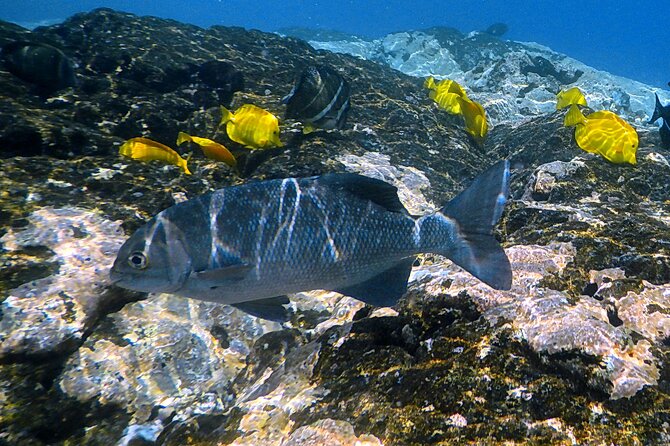
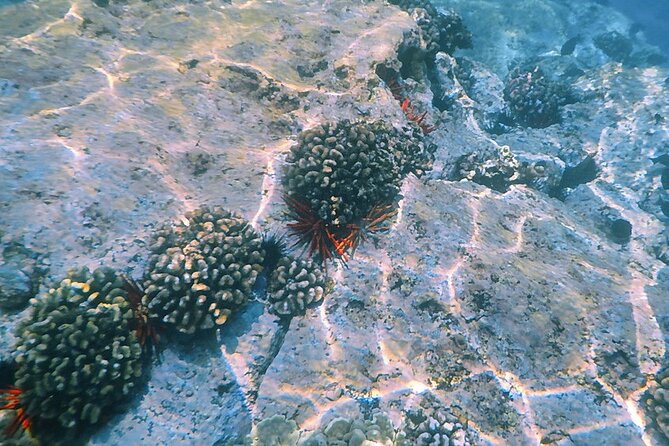
- Kealakekua is the star: The protected bay has coral, yellow tang, pencil urchins, eels, octopus, rays, and many other marine species.
- Wildlife can begin before the snorkel: Spinner dolphins are often sought along the coast, while humpback whales may appear in winter.
- The ride is part of the tour: Crew members point out lava tubes, caves, coastal landmarks, and places tied to Hawaiian culture and history.
- Know your limits: You must be able to swim without a floatation device, the maximum listed weight is 280 pounds, and the trip is not recommended for people with neck problems.
Why Kealakekua Bay is worth the boat ride
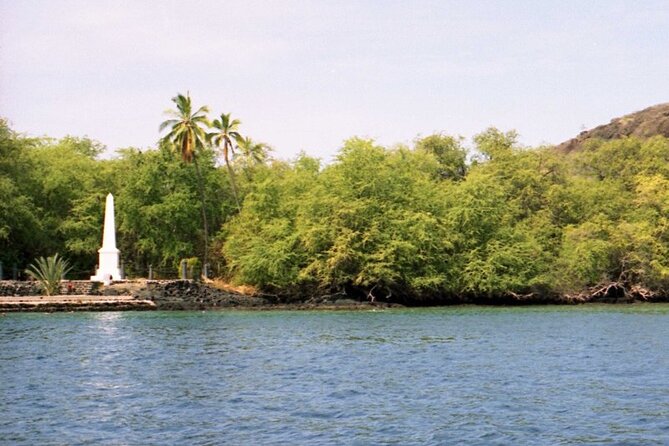
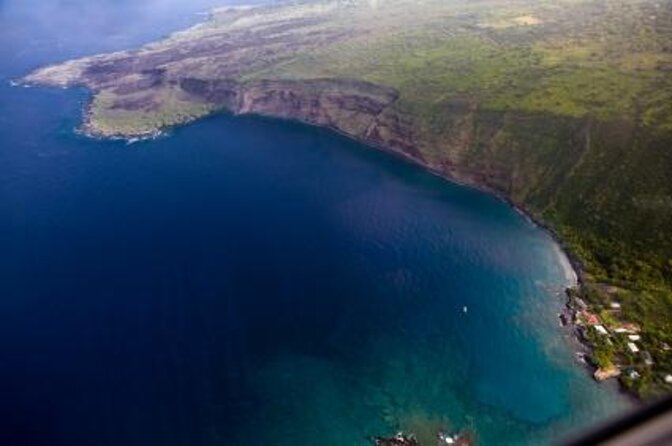
Kealakekua Bay is a protected marine sanctuary on the Kona coast, and that protection is the main reason this place is so good for snorkeling. The water around the Captain Cook Monument is known for coral and a strong mix of reef fish. You might see yellow tang, pencil urchins, eels, octopus, rays, and other species moving around the coral.
The setting also gives the outing more meaning than a quick swim at an ordinary beach. The bay is part of Kealakekua Bay State Historical Park, and the Captain Cook Monument sits at the water’s edge. You see the monument from the boat and hear about the coastline as you travel, rather than simply being dropped at a random reef.
I would not treat the bay as a guaranteed aquarium. Sea conditions, light, water clarity, and animal behavior change from day to day. But the protected setting and early timing give you a strong chance at a good snorkel, especially if you care more about healthy reef life than a long list of promised sightings.
A few more days in the water around Big Island worth a look
- Big Island Manta Ray Night Snorkel
★ 5.0 · 5,656 reviews - Big Island: Kona Manta Ray Snorkel Tour in Keauhou Harbor
★ 4.5 · 2,465 reviews - Big Island: Captain Cook Snorkel On A Power Catamaran With Lunch
★ 5.0 · 2,232 reviews
A small group changes the whole morning
The advertised limit is 12 people, with the additional tour information listing a maximum of 11 travelers. Either way, this is a notably small boat by Kona standards. Large snorkel boats can carry 100 people or more, and moving that many people from deck to water takes time.
With a small group, you get on and off the boat faster. That matters during a three-hour trip because every minute spent waiting is a minute you are not looking at the reef. A small group also makes it easier for the crew to check that you are comfortable, explain safety points, and keep track of people in the water.
The difference is especially clear if you are a hesitant swimmer or a first-time snorkeler. The crew can give more direct help with masks, fins or other supplied equipment, and basic water procedure. At the same time, this is not a casual float for someone who cannot swim. You must be able to manage in the water without assistance from a flotation device.
Several outings have had only six people aboard, leaving plenty of room. That is not guaranteed, but it shows how spacious the experience can feel when the booking is light. I would choose this trip over a large boat if your priority is time in the water and a less hurried pace.
The early morning route to Captain Cook Monument
The meeting point is at 78-7138 Kaleiopapa Street in Kailua-Kona, and the boat returns there at the end. Pay close attention to the directions you receive. The exact launch area can be confusing because the operator does not have a conventional office, and the boat ramp should be easy to identify in your plans.
Once underway, the captain and crew point out coastal places with cultural and geological importance. The exact route can vary with conditions, but past trips have included views of lava tubes, caves, Parrot Cove, and a place called End of the World. These stops are not the main reason to book, but they make the ride feel like more than a simple transfer to a snorkel site.
The small boat also improves your chance of getting useful explanations. Guides such as Justin, Kayli, Erika, Alan, Alexis, Carmelle, Jason, Liza, Jayna, and Caleigh have been praised for explaining marine life, local culture, safety, and the coast. Crew assignments change, but the pattern is clear: expect the ride to include informal interpretation, not just engine noise.
The trip can also include wildlife before you reach the bay. Spinner dolphins are a frequent possibility, and some outings have seen bottlenose dolphins. Humpback whales are a winter possibility. A few outings have had especially unusual sightings, including sharks, though you should treat those as lucky extras rather than part of the standard plan.
Snorkeling at Kealakekua Bay Marine Preserve
The main stop is the protected marine area near the Captain Cook Monument. This is where you spend the bulk of your active time, and some outings have allowed about 90 minutes in the water. That is a good amount for a short tour, especially when the small group reduces delays.
The water can be clear and calm, with coral formations close enough to examine without racing from one area to another. Look for yellow tang and smaller reef fish among the coral. You might also find pencil urchins, eels, octopus, or rays. One outing included an eagle ray, while another had an octopus that people were able to watch for a while.
The bay’s protected status does not mean every visit will have perfect conditions. Weather can shift, and a storm has occasionally threatened the route. The crew may adjust the plan to keep the outing safe and worthwhile. That flexibility is a strength, but it also means you should not expect an identical itinerary every morning.
Some trips have included a manta ray stop at a cleaning station, with people entering the water to watch the animals at close range. That sounds remarkable, but it is not listed as a guaranteed feature. Think of manta rays as a very welcome bonus, not the reason to buy this particular tour.
The same applies to spinner dolphins. A pod, sometimes including young dolphins, has appeared near the boat on the return route. The crew may know productive places to look, but wild animals set the schedule.
Same water, a different way to get in it:
- KONA Manta Ray Night Snorkel – FREE re-ride if no Sightings
★ 5.0 · 2,212 reviews - Manta Ray Night Snorkel at Kona, Big Island
★ 5.0 · 1,758 reviews - Kona Snorkel Tour: Captain Cook Reef Snorkel, Dolphin & Sea Caves
★ 4.5 · 1,411 reviews - Glow of the Deep: Night Snorkeling with Manta Rays
★ 4.5 · 1,254 reviews
The Captain Cook Monument and historical park
The monument gives the snorkel stop a strong sense of place. You are not simply floating over a reef with no connection to shore. The bay is tied to Captain James Cook and to the history of Hawaii, and the crew shares cultural and historical details while traveling along the coast.
The monument itself is mainly viewed from the water during this outing. This is a boat-and-snorkel experience, not a land tour of the state historical park. If you want a long walk, a formal museum visit, or a detailed shore presentation, this is not the right format.
For me, the value is in combining the setting with the reef. You can look from the boat toward the monument, then turn your attention below the surface to the fish and coral. The change from coastal history to marine life keeps the morning varied without adding much time.
What the crew adds to the experience
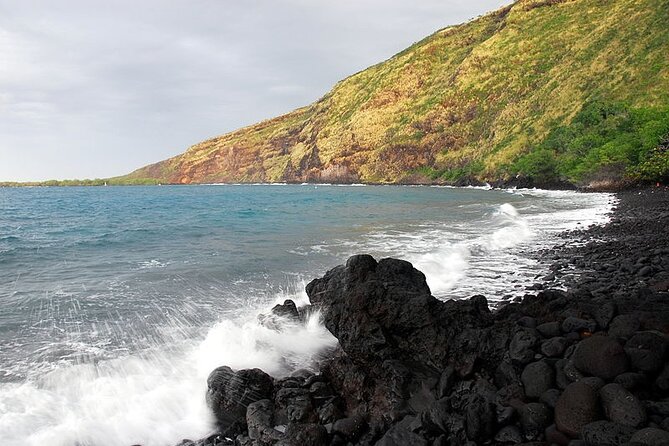
The crew is one of the strongest parts of this tour. Names change from trip to trip, but the most praised qualities are friendly instruction, safety awareness, and a willingness to tailor the morning to the people aboard.
Justin and Erika, Justin and Kayli, Alan and Jayna, Alexis and Carmelle, and Jason with other crew members have all been singled out for making people feel prepared and included. Guides have answered questions about the island, explained ocean life, and pointed out geological features on the ride.
That matters because snorkeling is easy to underestimate. A poorly fitted mask, uncertain water entry, or unclear instructions can sour the whole outing. A crew member who notices those problems early can make the difference between spending the morning adjusting gear and spending it watching fish.
The tone also sounds personal rather than scripted. On a small boat, the captain may learn your name, ask about your comfort level, and point out something specifically suited to your interests. That personal contact is hard to get when a single guide is managing a very large group.
Food, gear, and the small practical details
The tour includes snorkeling equipment, bottled water, nonalcoholic drinks, and snacks such as island-sourced pineapple and chips. Fresh pineapple is a welcome finish after time in the water, and the simple food fits a short morning better than a full meal would.
Bring your own towel, sunscreen, sunglasses, hat, and waterproof camera. I would apply sunscreen before boarding, then bring extra for later. You will want sun protection on the boat even if clouds pass over the bay.
The boat does not have a restroom, so use one before meeting the crew. That is a small detail, but it matters during a three-hour outing, especially if you are traveling with children.
Snorkeling equipment is supplied, but one person specifically wished fins had been offered as an option. Since the exact gear arrangement can matter to your comfort and swimming style, confirm what is provided if you have strong preferences or normally use your own equipment.
You should also be ready for an active morning. The tour requires a moderate physical fitness level, does not suit people with neck problems, and lists a maximum weight of 280 pounds per person. Those rules are not meant to be fussy. They relate to boarding, water entry, swimming, and the limits of a small boat.
Is $109 a fair price?
At $109 per person, this is not the cheapest way to look at Kealakekua Bay. Its value comes from how the time is used.
You are paying for roughly three hours, a small group, supplied equipment, drinks, snacks, a boat ride along the Kona coast, and a crew that can give more individual attention. The biggest benefit is not the pineapple or bottled water. It is the chance to reach the snorkel area early and spend more of the morning actually in the water.
A large boat may cost less per person, but the savings can come with more waiting and more people around you. If you are comfortable with crowds and only want a quick look at the reef, a budget option may do the job. If you are visiting the Big Island mainly for the quality of the snorkeling, I think the small-group price is justified.
The high satisfaction rate, 4.9 rating from 397 submitted ratings, and 96 percent recommendation rate fit the tour’s strongest points: excellent reef conditions, good crew service, and a boat that avoids feeling crowded. Those numbers do not remove the normal risks of weather or wildlife, but they suggest the experience delivers what it promises most often.
Who should book this snorkel trip?
I would choose it for confident swimmers, couples, families with older children who can manage independently in the water, and anyone who dislikes large commercial boats. It is also a good fit if you want some local history and coastal scenery along with the reef.
The trip may suit you particularly well if you care about photography. Early light, clear water, coral, fish, and possible dolphins give you several subjects, although you need to bring your own waterproof camera.
I would think twice if you cannot swim without a flotation device, have neck problems, or need a restroom on board. I would also avoid booking this as your only chance to see manta rays or dolphins, since those sightings depend on nature.
The tour requires good weather and a minimum number of participants. If poor weather cancels it, you can choose another date or receive a full refund. You can cancel for a full refund up to 24 hours before the start time, but cancellations or changes inside that window are not refunded or accepted.
Should you book the Kealakekua Bay small-group tour?
Yes, if your main goal is quality snorkeling with a small number of people. The early arrival, longer water time, helpful crew, and protected reef make this one of the stronger ways to visit Kealakekua Bay.
Book it with realistic expectations. You may see spinner dolphins, whales, manta rays, or even an unexpected shark, but the surest rewards are the bay, the coral, the fish, the Captain Cook Monument, and a crew that can keep the morning comfortable and well organized.
For the best chance at a quiet snorkel, choose the early morning departure, arrive ready to swim, use the restroom first, and bring your own towel and camera. If that sounds like your kind of Hawaii morning, $109 is a sensible use of your activity budget.
FAQ
How long is the Kealakekua Bay snorkel tour?
The tour lasts approximately three hours and ends back at the meeting point in Kailua-Kona.
Where does the tour meet?
The meeting point is 78-7138 Kaleiopapa Street, Kailua-Kona, Hawaii 96740.
How many people are on the boat?
The tour is designed as a small-group experience, with a maximum of about 11 to 12 people.
Is snorkeling equipment included?
Yes. Snorkeling equipment, bottled water, nonalcoholic refreshments, and snacks including pineapple and chips are included.
Do I need to be a strong swimmer?
You must be able to swim without the assistance of a flotation device. The tour also recommends a moderate level of physical fitness.
Can I see dolphins, whales, or manta rays?
You may see Hawaiian spinner dolphins, and humpback whales are possible during winter. Some outings also encounter manta rays, but these wildlife sightings are not guaranteed.
What happens if the weather cancels the tour?
If poor weather causes a cancellation, you will be offered another date or a full refund. You can also cancel for a full refund if you do so at least 24 hours before the scheduled start time.
Just added around Big Island
- Waikoloa Catamaran Snorkel Sail Including Lunch★ 4.5 · 105 reviews
- 2-Hour Dolphin Watching and Double Reef with Snorkel in Hawaii★ 5.0 · 23 reviews
- Ultimate Ocean Encounters Midday Snorkel★ 4.5 · 43 reviews
- Two Tank Morning Reef Dive and Snorkel★ 5.0 · 54 reviews
- Kona Luxury Catamaran Yacht Snorkel & Sail★ 5.0 · 40 reviews
- Sunset Cruise & Manta Night Snorkeling Charter★ 5.0 · 16 reviews
- Manta Ray Night Snorkel Tour in Kailua-Kona, Big Island★ 5.0 · 382 reviews
- One Tank Manta Night Dive and Snorkel★ 5.0 · 56 reviews
Big Island Snorkeling Tours, compared.
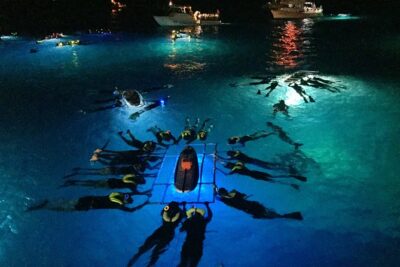
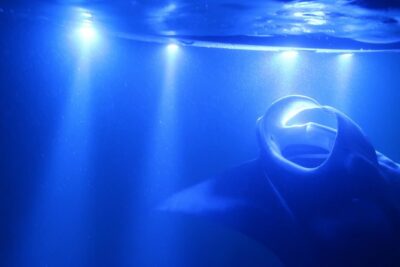
Kona Manta Ray Snorkel Tour in Keauhou Harbor
Read our review →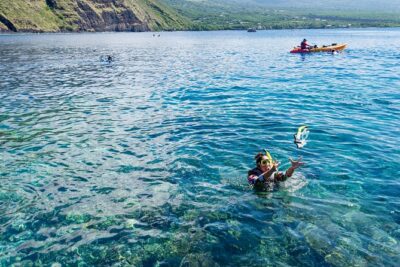
Captain Cook Snorkel On A Power Catamaran With Lunch
Read our review →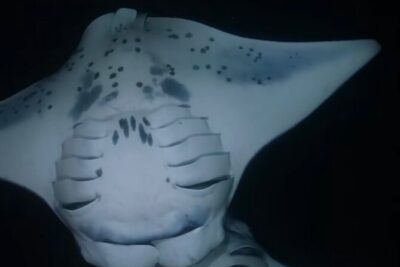
KONA Manta Ray Night Snorkel – FREE re-ride if no Sightings
Read our review →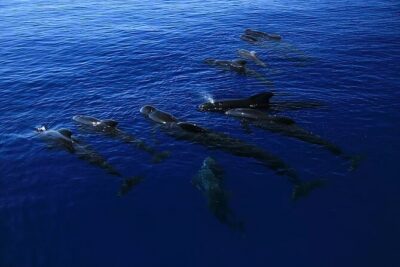
Kona Snorkel Tour: Captain Cook Reef Snorkel, Dolphin & Sea Caves
Read our review →
Glow of the Deep: Night Snorkeling with Manta Rays
Read our review →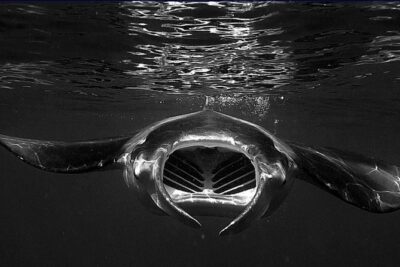
Manta Magic: Small-Group Manta Ray Night Snorkel in Kailua Kona
Read our review →Browse the lists this tour appears in