
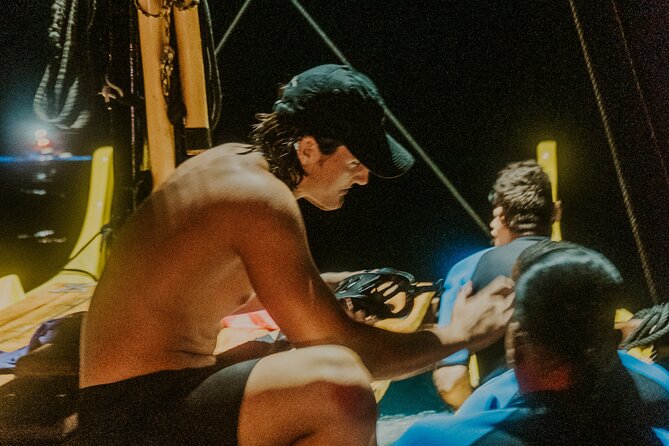
Review · BIG ISLAND
Manta Ray Snorkeling by Night in Kailua-Kona, Hawaii
Wild rays, dark water, bright lights. This Kona night snorkel pairs a short ride in a historically accurate Hawaiian double-hulled canoe with an unusually close look at wild manta rays. I like the small group of 12 or fewer, which keeps the water time more personal, and I like that the canoe ride feels like part of the Hawaiian experience rather than mere transport. The main drawback is simple: manta rays are wild, so no sighting is guaranteed.
At $127.10 per person, the price is not pocket change for roughly an hour on the water. Still, the wetsuit top, flotation gear, snorkel equipment, trained crew, and small-group format make this a reasonable choice if you want a calmer outing than a large boat tour. The short duration can feel especially brief if the rays arrive late.
What makes this Kona night snorkel different
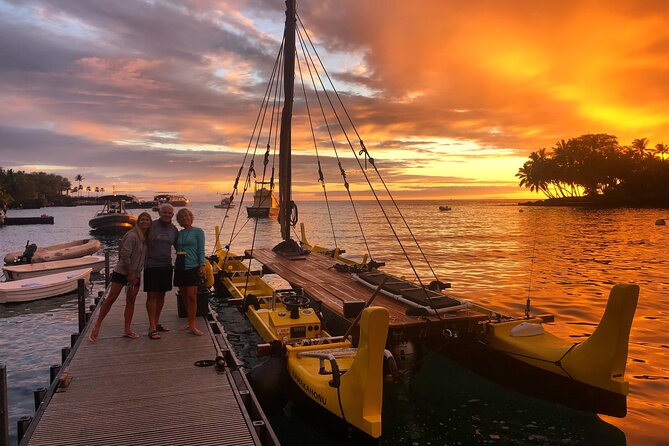
- A canoe, not a crowded tour boat: The ride to the viewing site takes only a few minutes, but the Hawaiian double-hulled canoe gives the outing a strong sense of place.
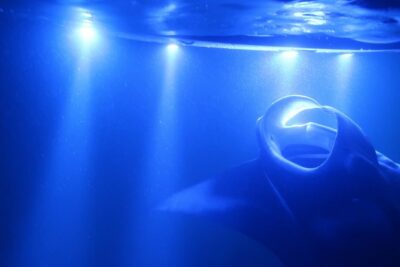
- Lightboards bring the action close: Blue lights shine into the water and draw plankton, which in turn attracts manta rays.
- Small groups change the mood: The maximum of 12 people means less crowding around the floatation board and more direct help from the crew.
- Actual water time is substantial: The full outing runs about one hour to one hour and fifteen minutes, with snorkeling often lasting 45 minutes or more.
- The rays are completely wild: They are not fed or trained, and the operator offers another attempt if none appear, rather than a cash refund.
- You need basic swimming ability: You must be able to swim and climb a short ladder without help.
Meeting the canoe on the Kona Coast
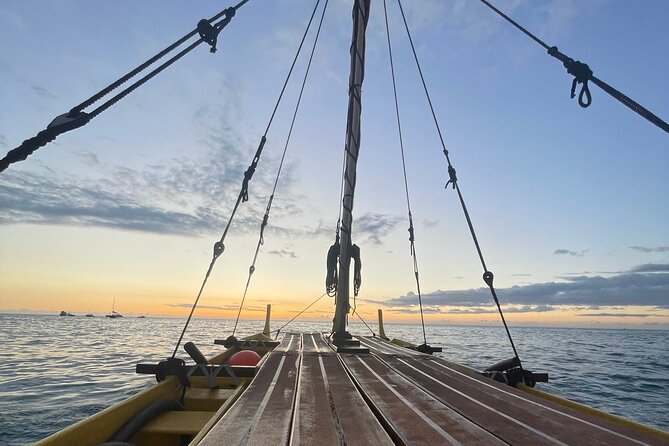
You meet at 78-7130 Kaleiopapa Street in Kailua-Kona. The activity ends at the same place, and public transportation is nearby, although private transportation is not included.
The exact start time can shape the mood. A 6 p.m. departure may let you watch the sunset before darkness settles over the water. Later departures put you more directly into the night setting, with less daylight around the launch.
Pay attention to the day-of text message. It includes parking instructions and pictures for finding the check-in area, which can save you some fumbling at the start. The company asks you to opt in during booking, and this is one of those practical messages worth receiving.
The canoe carries no more than 12 people. That number matters. A smaller group means fewer bodies trying to hold the same lighted float and less time spent waiting for everyone to get into position. It also lets the water guide keep an eye on people who feel nervous or tire easily.
The canoe itself is part of the appeal. It is described as a historically accurate Hawaiian double-hulled sailing canoe, so the short trip is not just a ride to the snorkel site. It gives you a small connection to local maritime tradition before the modern lights and masks take over.
More Whale Shark and Manta Ray Snorkeling in Big Island:
- Big Island Manta Ray Night Snorkel
★ 5.0 · 5,656 reviews - Big Island: Kona Manta Ray Snorkel Tour in Keauhou Harbor
★ 4.5 · 2,465 reviews - KONA Manta Ray Night Snorkel – FREE re-ride if no Sightings
★ 5.0 · 2,212 reviews
Getting ready for nighttime snorkeling
The crew supplies a wetsuit top, flotation devices, and snorkel gear. Prescription snorkel masks are available, which is useful if regular lenses make it hard for you to see clearly.
You provide the basic swimming skills. You must also be comfortable climbing a short ladder without assistance when it is time to return to the canoe. The crew helps with boarding and getting out of the water, but this is still an ocean activity, not a pool lesson.
The water can feel chilly, especially when you are holding still for long stretches. The wetsuit top helps, and it was repeatedly praised for making the time in the water more comfortable. Bring a towel anyway. Towels are not included, and forgetting one is an easy way to end a memorable evening with an unnecessary shiver.
Coffee, tea, snacks, and motion sickness medicine are also not included. Eat and hydrate before you arrive, and bring any medication you normally need. The boat ride to the site is short, but motion sickness is still possible on the ocean.
If you have recently had surgery or have mobility or physical restrictions, this outing may not suit you. The operator also sets a minimum age of five. The booking process asks for your height and weight so the crew can choose the right wetsuit top, not for a normal shirt size.
Watching manta rays under the lightboard
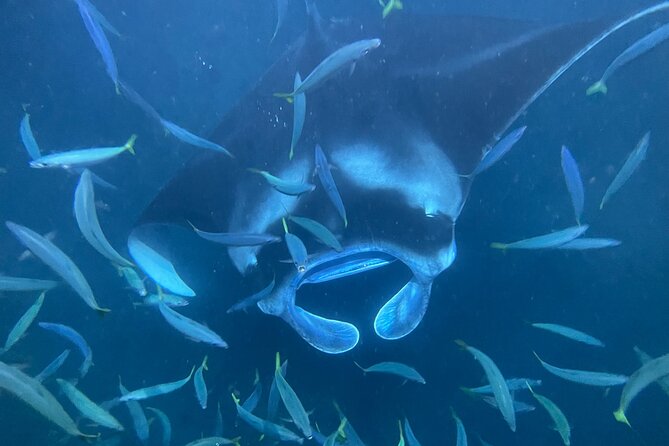
At the viewing site, you enter the water and hold onto an illuminated flotation device. The lights attract plankton, the tiny food source that brings the manta rays into the area.
This is the key detail to understand: the lights attract food, not the animals directly. The mantas are completely wild. They are not fed, trained, or handled, and the crew cannot control when they appear or how long they stay.
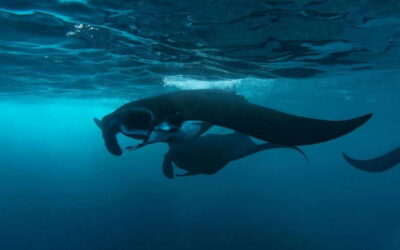
When the rays arrive, their feeding style is graceful and close. They glide and roll through the lighted water with their mouths open, filtering plankton. Some may pass within inches of people at the board. That proximity can feel startling at first, especially after sunset, but the animals are not being chased or grabbed.
Your job is mostly to float calmly, watch, and follow the crew’s directions. The best part is often the contrast between the quiet darkness and the sudden sweep of a large ray beneath the lights. It is less like watching a staged animal show and more like being allowed into a short, carefully managed moment of wild behavior.
The water guide provides narration while you wait. This matters because the rays may not arrive immediately. One account described an exhausting wait of about 15 minutes after an early sighting, followed by a final burst when six mantas appeared just before the group returned to the canoe. The lightboard can also tire your arms, so do not mistake a slow start for a failed outing.
Some evenings produce several rays making repeated passes. Other nights can be choppy, rainy, or less active. The crew may do everything correctly and still have a quiet session.
How long you really spend in the water
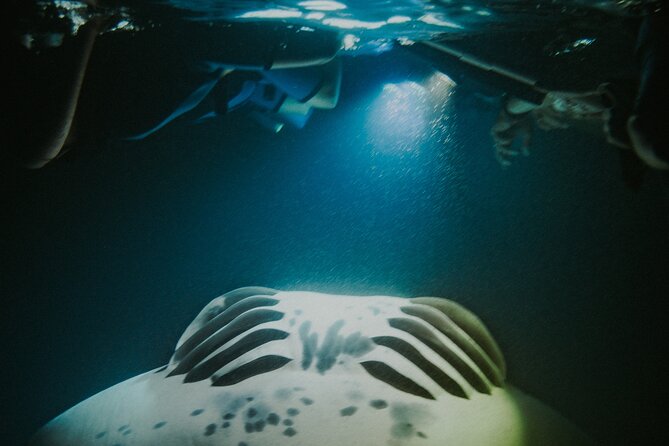
The advertised duration is approximately one hour. The operator describes the full trip as about one hour and fifteen minutes, with actual snorkeling commonly lasting 45 minutes or more.
That distinction is useful when you judge the price. You are not paying for a long cruise with hours of open-water sightseeing. You are paying for a focused nighttime wildlife encounter, plus the equipment, crew, canoe, and safety setup needed to make it possible.
Some people will find the compact schedule ideal. You get to the site quickly, watch the rays, and return without giving up half a day. Families and anyone fitting several Kona activities into one schedule may appreciate that efficiency.
Others may feel rushed, especially if the rays take time to appear. If your dream is a leisurely ocean outing, this is not that. The format is closer to a concentrated wildlife appointment.
A few more days in the water around Big Island worth a look
- Big Island: Captain Cook Snorkel On A Power Catamaran With Lunch
★ 5.0 · 2,232 reviews - Manta Ray Night Snorkel at Kona, Big Island
★ 5.0 · 1,758 reviews - Kona Snorkel Tour: Captain Cook Reef Snorkel, Dolphin & Sea Caves
★ 4.5 · 1,411 reviews - Glow of the Deep: Night Snorkeling with Manta Rays
★ 4.5 · 1,254 reviews
Why the small canoe group matters
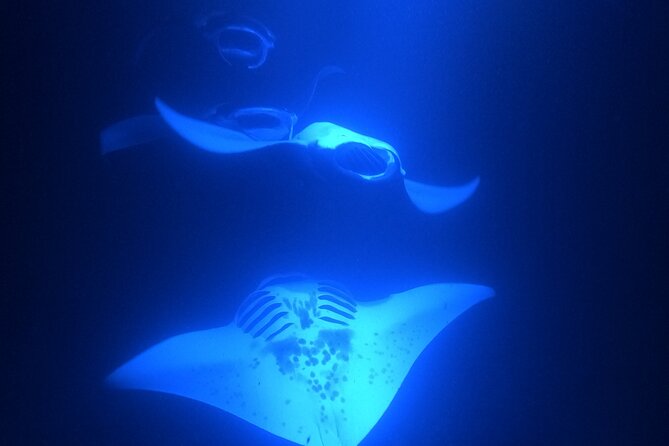
The maximum of 12 people is one of the strongest reasons to choose this operator. The canoe is smaller than the large boats used by many other companies, and the water feels less crowded when everyone gathers around the lightboard.
A small group also gives the guides more chances to help individual people. This is valuable if you feel nervous entering the water, need encouragement, or want extra attention when boarding and climbing back up the ladder.
The crew has been praised for calm support, clear safety instructions, and regular checks while people are in the water. Names associated with especially warm service include Ni’Koa and Kalala, along with guides such as Kama, Chris, Lance, Chaden, Beck, Tayler, and Rob. Staffing changes, of course, so book for the small-group format rather than expecting a particular person.
The smaller canoe does not remove every challenge. You still hold the flotation board, cope with nighttime conditions, and share the viewing area with the rest of the group. If the water is choppy or rain moves in, the outing can feel much less relaxed.
Price, value, and what is not included
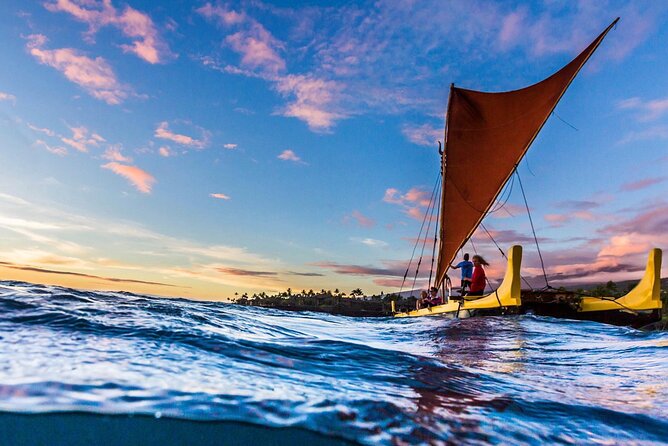
At $127.10 per person, this is a premium one-hour activity. The price makes the most sense if you value three things: a maximum group size of 12, a short canoe ride instead of a larger boat, and a guided setup with equipment supplied.
You also receive a wetsuit top, flotation equipment, standard and prescription snorkel gear, and help from the captain and water guide. Those inclusions mean you do not need to rent the basic gear separately or figure out how to position yourself around the lightboard.
The value is weaker if you mainly want a long boat ride or a guaranteed animal sighting. There is no guarantee that manta rays will appear, and there are no snacks, drinks, towels, private transport, or gratuity in the price.
Crew gratuity is not included. If the guides help you feel safe, explain the animals well, and keep the group organized, plan for a tip as part of the evening budget.
The operator’s manta guarantee offers another chance on a different evening or during a future Kona visit if no manta is seen, subject to available seats. It does not provide a refund for a no-show by the animals. That policy is common sense from an operating standpoint, but you should understand it before paying.
Safety, weather, and the wild-animal promise
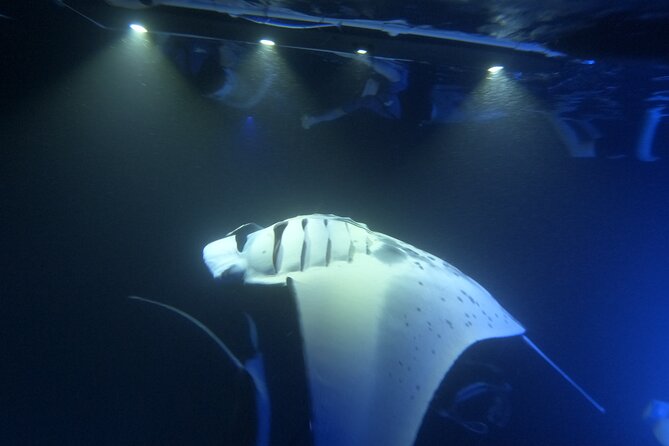
The crew’s job is to manage the human side of the outing while leaving the animals alone. You are given equipment, instructions, and support, but the mantas decide what happens.
The company emphasizes safety during loading, unloading, and time in the water. This is particularly important for anyone who feels uneasy about jumping in at night. The canoe can approach the lightboard closely, and the crew assists people as they enter, but you still need to swim and climb the ladder unassisted.
Weather can change the mood quickly. One outing may offer a calm sunset, while another brings rain and choppy water. The activity requires suitable weather, and if poor conditions force a cancellation, you are offered a different date or a full refund.
You can cancel for a full refund if you do so at least 24 hours before the start time. Changes or cancellations inside that window are not accepted for a refund. Book a little early if your vacation schedule allows, since the outing is often reserved about 23 days ahead.
Who will enjoy this most
I would choose this tour for a couple, family, or solo visitor who wants a focused wildlife outing rather than a long cruise. It is also a strong fit if you like the idea of a small Hawaiian canoe and want fewer people around you during the snorkel.
It works well for people with basic swimming ability who are comfortable floating in open water at night. You do not need to be an expert swimmer, but you should be honest about your comfort level. The crew can encourage and assist you, but it cannot replace the ability to swim or climb the ladder independently.
Families should note the five-year minimum age and think about each child’s comfort with darkness, ocean conditions, and waiting in the water. A child who handles swimming pools well may still find the nighttime ocean unfamiliar.
I would skip it if you have a recent surgery, serious mobility limits, or a strong dislike of ocean motion. I would also reconsider if the possibility of seeing no manta ray would ruin your evening, since nature does not follow a booking calendar.
Should you book Eka Canoe Adventures?
Yes, if you want a small, personal manta encounter and like the idea of reaching the site in a traditional-style canoe. The strongest points are the limited group size, supportive crew, included gear, and the chance to see large wild rays moving very close to the lightboard.
Before you reserve, accept three realities: the outing is short, the water may be chilly or choppy, and the rays may not show. Bring a towel, allow for a crew tip, opt in to the parking text, and schedule it early enough in your Kona stay to use the return opportunity if needed.
For the right person, this is one of the Big Island’s most memorable evening activities. The price is fair for the smaller format, but the value depends on caring more about a close wildlife encounter than about the number of hours spent on the water.
FAQ
Where does the manta ray snorkeling tour begin?
It begins at 78-7130 Kaleiopapa Street, Kailua-Kona, Hawaii 96740. The activity ends back at the same meeting point.
How long does the tour last?
The listed duration is approximately one hour. The operator describes the full outing as about one hour and fifteen minutes, with snorkeling typically lasting 45 minutes or more.
How many people can join the canoe?
The tour has a maximum of 12 participants.
What equipment is included?
The tour includes a wetsuit top, flotation devices, and snorkel equipment. Prescription snorkel gear is available.
Do I need to know how to swim?
Yes. You must have basic swimming ability and be able to climb a short ladder without assistance.
Are manta ray sightings guaranteed?
No. The manta rays are wild, are not fed or trained, and may not appear. If none are seen, the manta guarantee provides another opportunity on a different evening or future Kona visit, subject to available seats.
What is the minimum age?
The minimum age allowed onboard is five years old.
Can I cancel for a refund?
You can receive a full refund if you cancel at least 24 hours before the start time. Poor weather or failure to meet the minimum number of participants may result in a different date or a full refund.
Just added around Big Island
- Waikoloa Catamaran Snorkel Sail Including Lunch★ 4.5 · 105 reviews
- 2-Hour Dolphin Watching and Double Reef with Snorkel in Hawaii★ 5.0 · 23 reviews
- Ultimate Ocean Encounters Midday Snorkel★ 4.5 · 43 reviews
- Two Tank Morning Reef Dive and Snorkel★ 5.0 · 54 reviews
- Kona Luxury Catamaran Yacht Snorkel & Sail★ 5.0 · 40 reviews
- Sunset Cruise & Manta Night Snorkeling Charter★ 5.0 · 16 reviews
- Manta Ray Night Snorkel Tour in Kailua-Kona, Big Island★ 5.0 · 382 reviews
- One Tank Manta Night Dive and Snorkel★ 5.0 · 56 reviews
Whale Shark and Manta Ray Snorkeling, compared.
️Nusa Penida by Private Boat – Snorkeling 4 spots, Swim with Mantas + Land Tour
Read our review →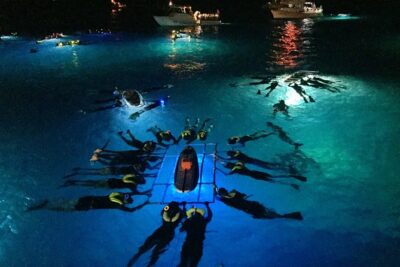
Kona Manta Ray Snorkel Tour in Keauhou Harbor
Read our review →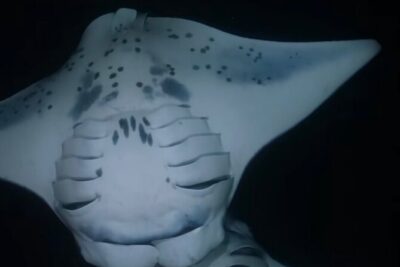
KONA Manta Ray Night Snorkel – FREE re-ride if no Sightings
Read our review →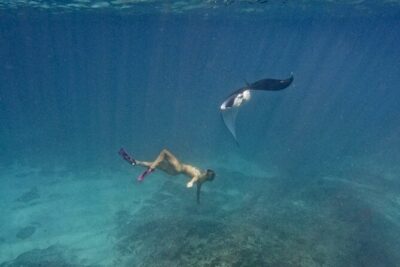
Nusa Penida day trip: boat, 4 snorkeling, Manta rays & Land tour
Read our review →
Bali/Nusa Penida: Manta Point Snorkeling & West Coast Tour
Read our review →
Glow of the Deep: Night Snorkeling with Manta Rays
Read our review →Browse the lists this tour appears in