Review · WORLDWIDE
Guided Snorkel Experience, Advanced
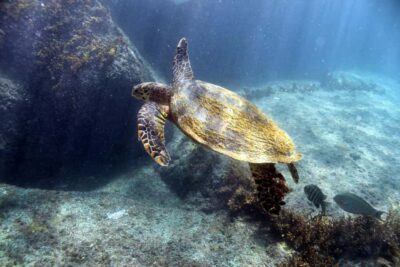
The best lessons happen in the water. This 2.5-hour Goat Island session combines useful snorkel training with time among snapper, rays, urchins, and other marine life at New Zealand’s first marine reserve. I especially like the patient instruction on ear equalizing and breath control, plus the bonus of keeping your gear for the rest of the day. The main consideration is that conditions can force the group to move to Matheson Bay, and mixed abilities may slow the outing.
You meet at the Goat Island Dive and Snorkel Center near Leigh, collect a fitted wetsuit and equipment, then drive your own vehicle about 3 kilometres to the reserve. With a maximum of 10 people, the group is small enough for close guidance, though the pace still depends on the least confident swimmer.
Key points to know before booking
- Advanced skills without a high-pressure setting: Learn to duck under the surface, balance ear pressure, hold your breath more comfortably, and clear a flooded snorkel.
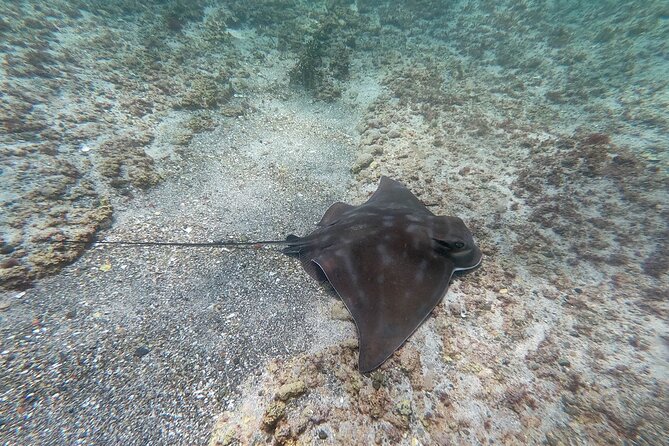
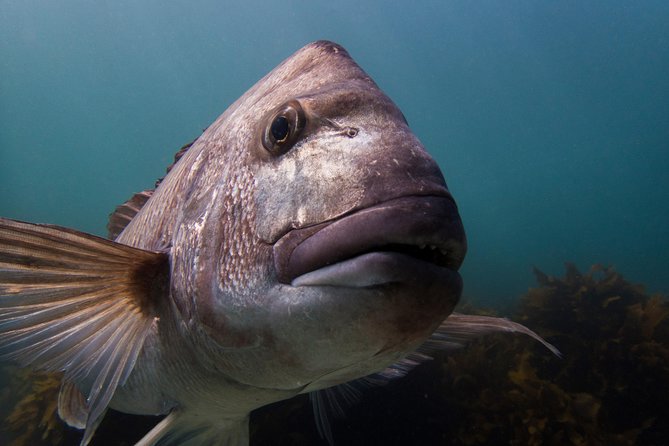
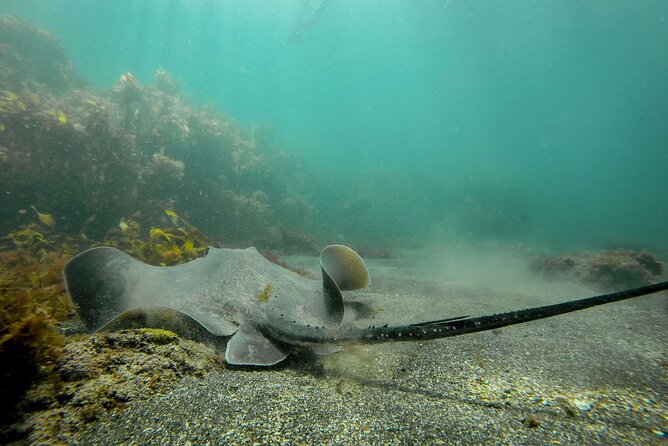
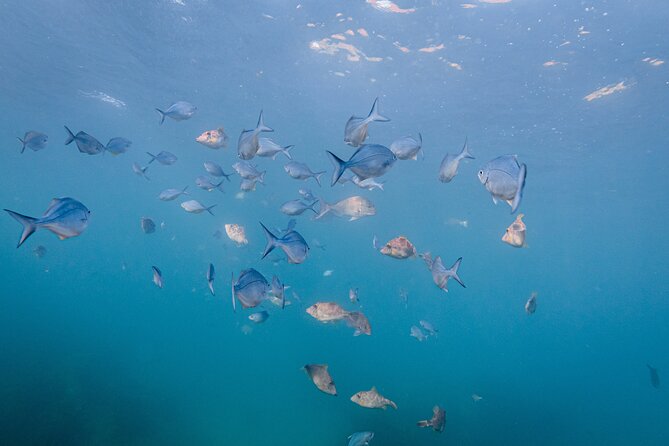
- Goat Island’s protected marine life: Look for large snapper, stingrays, eagle rays, sea urchins, squid traces, and even tiny nudibranchs.
- All equipment is supplied: Your package includes a mask, snorkel, fins, wetsuit, and weight belt.
- Keep the gear all day: After the guided session, you can continue practising and exploring the reserve.
- Small group, variable pace: The maximum is 10 people, but a mixed-ability group may cover less water than expected.
- Good value at $48.18: The instruction, equipment, guided time, and extra use of the gear make this more than a quick rental.
Why Goat Island is a good place to improve
Goat Island Marine Reserve is a natural classroom. You are not practising skills in a featureless pool, then waiting for the real outing to begin. The lessons happen beside fish and rocky shallows, so each new technique has an immediate purpose.
The session is designed for people who already feel reasonably comfortable in the water and want to make snorkelling easier and safer. You learn how to descend below the surface, balance pressure in your ears, extend your breath-hold with proper practice, and clear water from your snorkel.
That last skill matters more than it sounds. A snorkel that fills with water can make a new swimmer panic or abandon a good view. Learning a reliable clearing method gives you control when the sea gets choppy or you accidentally submerge the tube.
The same applies to equalizing. Water pressure increases as you go lower, even in relatively shallow water. The instructor explains how to balance that pressure instead of forcing your ears, which helps you stay comfortable and avoid turning every short descent into a struggle.
You also receive guidance on breathing practice before heading into the water. The point is not to compete with anyone else. It is to become calmer, use your breath wisely, and spend a little longer observing what lies below.
More Guided Trips in the world:
- San Juan Guided Snorkel With Turtles Tour and Videos
★ 5.0 · 12,947 reviews - Dubrovnik: Sea Kayaking&Snorkelling Guided Day/Sunset Tours
★ 4.9 · 2,869 reviews - The ‘OG’ Manatee Snorkel Tour with In-Water Guide/Photographer
★ 5.0 · 2,539 reviews
Starting at the Goat Island Snorkel Center
Your morning begins at 10:00 am at 142A Pakiri Road, Leigh. This is the equipment and orientation point, not the marine reserve itself, so plan on driving your own vehicle after the initial fitting.
Staff provide the mask, snorkel, fins, wetsuit, and weight belt. Proper fit is especially important here. A leaky mask or loose fins can turn a pleasant outing into a constant adjustment session, and the fitting process is one of the strongest parts of the experience.
You should expect the center to be practical rather than fancy. The focus is on getting the right equipment, explaining the plan, and preparing you for the water. Staff have been praised for being friendly and helpful, with guides including Connor, Tiff, Sara, and Winnie receiving particular appreciation for patience, safety, and marine-life spotting.
Once your equipment is ready, you drive roughly 3 kilometres to Goat Island Marine Reserve. This short transfer is easy if you have your own car, but it is worth noting when planning your day. The tour does not include a group shuttle between the center and the shore.
The briefing turns basic snorkelling into better snorkelling
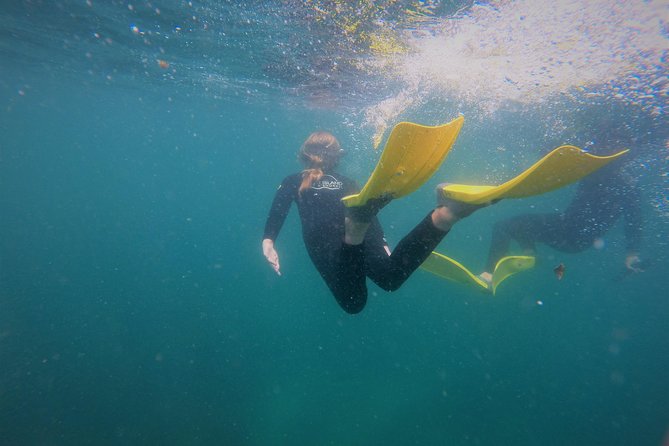
At the reserve, your instructor introduces the area and explains what you are likely to see. Goat Island is New Zealand’s first marine reserve, and that protected status is central to the outing. You are not simply swimming along a pretty coast. You are learning how a protected marine area can support fish and other sea life close to shore.
The safety briefing comes before the active session. It covers the conditions, group movement, and the techniques you will practise. That order is reassuring, especially if you are still getting used to a wetsuit, fins, or breathing through a tube.
The instruction is hands-on. You are shown how to duck below the surface rather than simply kicking harder. You practise equalizing your ears, working on breath control, and clearing your snorkel. The instructor then helps you try those methods in the sea.
This approach suits people who want more than a guided swim-by. A guide can point out fish, but a technique lesson helps you reach better viewing positions and stay calm when the water moves around you.
Still, the word advanced should not scare you away if you are a cautious beginner with moderate fitness. One person joined with little ocean-swimming experience and felt nervous about the wetsuit and open water, yet found the session manageable. The important distinction is that you should be willing to follow instructions and feel reasonably able in the water.
Meeting snapper, rays, urchins, and smaller surprises
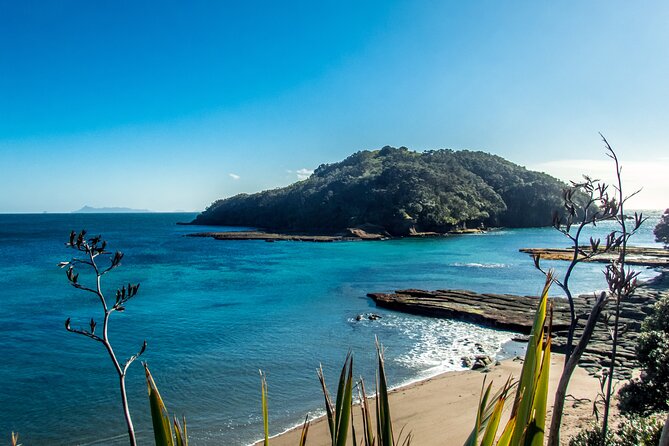
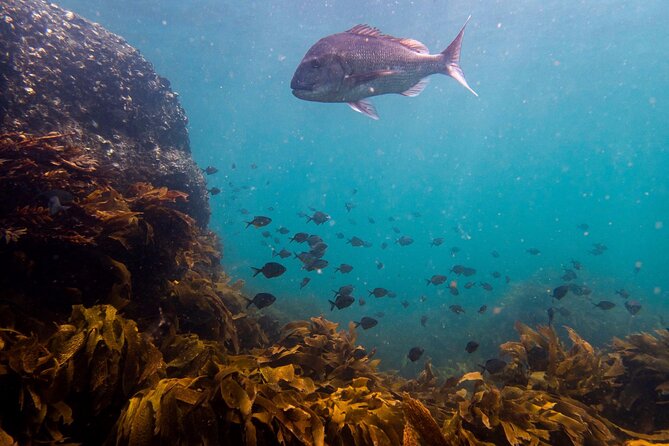
Goat Island’s appeal is the marine life. Large snapper are a common highlight, and several sessions have included rays. The particularly lucky encounters include stingrays and eagle rays, though you should treat those as possible sightings, not promises.
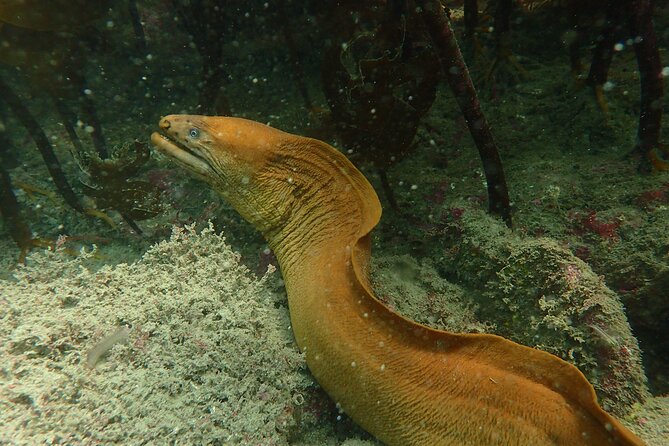
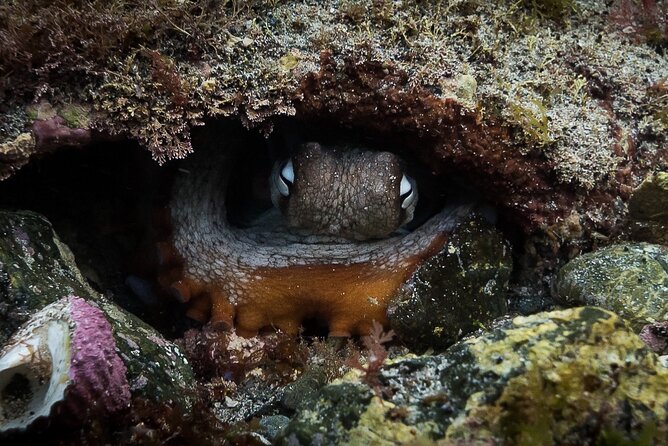
One guide showed a sea urchin and squid ink, turning the outing into more than a search for large animals. A tiny nudibranch also made an impression, which tells you something useful about the reserve: looking carefully can be as rewarding as spotting the biggest fish.
Your guide helps locate creatures you might miss when scanning the water alone. Winnie was praised for keeping a wandering group together while still pointing out marine life, and Connor was appreciated for showing fish and recording parts of the outing.
The reserve is described as shallow and relatively easy to navigate, but that does not mean conditions are fixed. On one occasion, rough water meant the group moved to Matheson Bay. Another outing had less range because the group included people with very different swimming speeds and comfort levels.
That is the trade-off of a guided group. You gain safety, instruction, and help finding animals, but you do not control the pace completely. If you are already a strong snorkeller hoping to cover a large area quickly, a private or unguided session might give you more freedom. If you value calm coaching and wildlife interpretation, the group format works well.
A few more days in the water around the world worth a look
- Oahu: Grand Tour Around Island 16 Locations plus Snorkeling
★ 5.0 · 8,669 reviews - Tenerife: Kayak and Snorkel with Turtles, Wetsuits Included
★ 4.6 · 7,215 reviews - ️Nusa Penida by Private Boat – Snorkeling 4 spots, Swim with Mantas + Land Tour
★ 5.0 · 6,424 reviews - Big Island Manta Ray Night Snorkel
★ 5.0 · 5,656 reviews
Why the small group matters
The maximum group size is 10 people. That is not a private lesson, but it is small enough for an instructor to remain attentive, especially when the group stays together.
The guides are expected to remain close and communicate throughout the session. Tiff was singled out for staying with the group all the way to the island and back, while other guides earned praise for their patience and enthusiasm.
This close supervision is valuable when you are learning to go below the surface. You can concentrate on your breathing and body position instead of wondering where the rest of the group has gone.
The limit also helps with wildlife spotting. A guide who is not managing a huge crowd has more opportunity to point out fish, rays, unusual sea creatures, or smaller details such as a nudibranch.
There is one clear limitation. A small group can still contain a wide range of abilities. One outing moved slowly because some members needed more time, reducing how far the group went and how much it saw. You should accept that possibility before booking. The goal is a supported lesson, not a fast expedition.
The wetsuit makes cooler conditions possible
Snorkelling is not limited to the warmest months. A winter outing was described as comfortable in wetsuits, and the equipment helped the group enjoy the water without focusing on the cold.
That does not mean every day will feel the same. Weather and sea conditions affect the plan, and the experience can be cancelled if conditions are poor. You may be offered another date or a full refund in that situation.
The wetsuit also provides a sense of security for less experienced swimmers. It can help you feel more comfortable while you learn to float, kick, and breathe in open water. Even so, you should have a moderate level of physical fitness and be prepared for active time in the sea.
Keeping the equipment adds real value
The guided session lasts about 2 hours and 30 minutes, but the value does not end when the instructor says goodbye. You can use the equipment for the rest of the day, allowing you to keep practising and spend more time in the reserve.
This is one of the best reasons to book early in the day. A late start leaves less daylight and less energy for extra swimming. At 10:00 am, you have a better chance to make full use of the included equipment after the formal tour.
At $48.18 per person, the price is reasonable for people who would otherwise need to rent several pieces of equipment and pay separately for instruction. You receive the mask, snorkel, fins, wetsuit, and weight belt, along with a safety briefing, technique coaching, local marine-life guidance, and extra equipment use.
The value is strongest for a first-timer who wants support, or for an intermediate snorkeller who wants to improve. If you only want a quick swim and already own your equipment, the instruction may be less important to you.
The published rating is 4.9 from 40 reviews, with 98 percent recommending the experience. The praise focuses on friendly staff, well-fitting gear, strong safety procedures, patient teaching, and the chance to see fish in a protected setting.
Who should book this advanced snorkel session?
I would recommend it to you if you:
- Feel reasonably comfortable in the water but want better technique.
- Want to learn how to go below the surface safely.
- Need help with ear pressure or clearing your snorkel.
- Prefer a guide who can identify marine life.
- Like the idea of keeping the equipment for more swimming afterward.
- Are travelling with a family member or friend at a similar ability level.
- Can manage moderate physical activity in open water.
It may be less suitable if you dislike group pacing, cannot swim comfortably in the sea, or want complete independence. The instructor will help, but this is not a passive sightseeing cruise. You will be practising skills and moving through the water.
Families and mixed groups should discuss ability levels before booking. The experience can work well for a grandparent and grandchild, or for a first-time pair, but a very wide gap in swimming confidence may affect the group’s progress.
Practical details that affect your day
The meeting point is 142A Pakiri Road in Leigh, and the activity returns there at the end. You must drive yourself the short distance to the marine reserve, so leave enough time for the equipment fitting and transfer.
Confirmation is provided when you book. The maximum group size is 10, and the start time is 10:00 am.
Free cancellation is available up to 24 hours before the start time for a full refund. Changes or cancellations made less than 24 hours ahead are not accepted for a refund. Since weather matters, a poor-weather cancellation can lead to another date or a full refund. If the minimum number is not reached, the operator offers another date or experience, or a full refund.
These rules are standard but worth noting because coastal plans can change. Keep the day flexible if Goat Island is a major part of your Auckland itinerary.
Should you book it?
Book this experience if you want Goat Island’s marine life with patient coaching, fitted equipment, and enough spare time to continue snorkelling afterward. The strongest reasons are the practical lessons, close guide support, and the chance to see everything from large snapper and rays to tiny sea creatures.
Think twice if you want to race around independently or if your group has very different swimming abilities. Rough seas can also move the activity to Matheson Bay.
For most reasonably fit swimmers who want to grow more confident in the water, this is a well-priced and useful half-day outing. Book early in the day, expect the sea to set the pace, and treat the advanced label as an invitation to learn rather than a test of athletic skill.
FAQ
Where does the snorkel experience begin?
It begins at 142A Pakiri Road, Leigh 0985, New Zealand. The activity ends back at the same meeting point.
What time does the experience start?
The start time is 10:00 am.
How long does the activity last?
The guided experience lasts approximately 2 hours and 30 minutes.
What equipment is included?
The operator provides a mask, snorkel, fins, wetsuit, and weight belt.
Can I use the equipment after the guided session?
Yes. You can use the equipment for the rest of the day after the guided outing.
What happens if the weather is poor?
If poor weather causes cancellation, you will be offered another date or a full refund.
Just added around the world
- Snorkeling in Puerto Morelos★ 5.0 · 164 reviews
- Snorkel at the Reef 2 HOURS Puerto Morelos National park★ 5.0 · 69 reviews
- Catamaran Snorkeling with Openbar & Lunch Cancun to Isla Mujeres★ 4.5 · 9 reviews
- Cancun Dancer Cruise to Isla Mujeres with Snorkeling and Lunch★ 4.5 · 353 reviews
- SeaRay 43ft Isla Mujeres, Snorkelling and more!!★ 5.0 · 15 reviews
- Riviera Maya Snorkeling★ 5.0 · 14 reviews
- Cancun Adventure: Reef Snorkeling & Parasailing Experience★ 4.5 · 41 reviews
- Puerto Morelos Snorkel, Town Walk, Tequila Tasting & Beach Lunch★ 3.5 · 10 reviews
Guided, compared.
San Juan Guided Snorkel With Turtles Tour and Videos
Read our review →
Sea Kayaking&Snorkelling Guided Day/Sunset Tours
Read our review →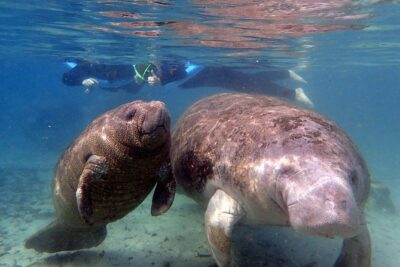
The ‘OG’ Manatee Snorkel Tour with In-Water Guide/Photographer
Read our review →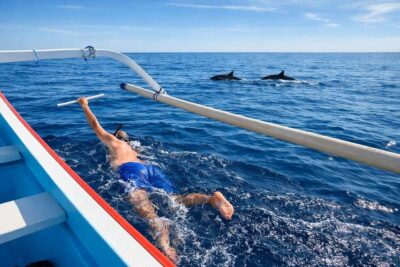
Guided Dolphin Watching & Sunrise Boat Snorkel
Read our review →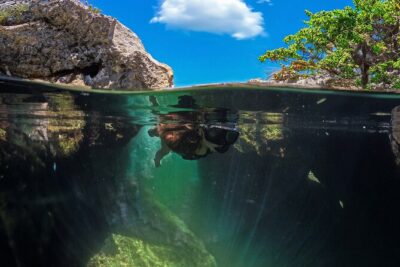
Tulum Guided Tour, Magical Cenote, Lagoon Snorkeling and Beachside Lunch
Read our review →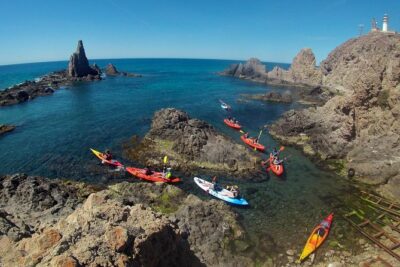
Cabo de Gata Active. Guided kayak and snorkel route through coves of the Natural Park
Read our review →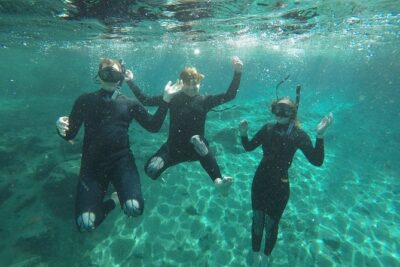
Guided Small Group Manatee Snorkeling Tour with In-Water Photographer
Read our review →