
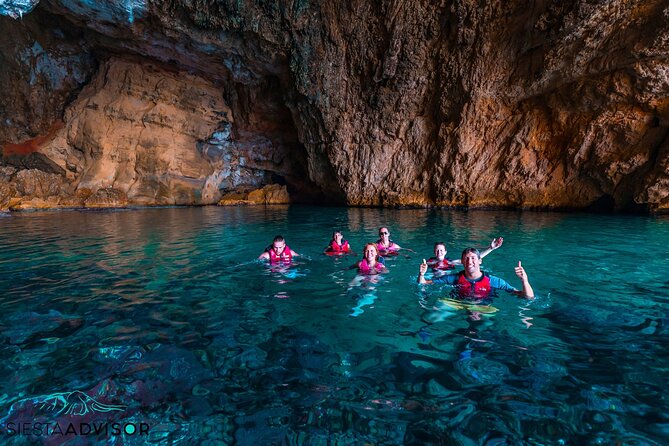
Review · SEA CAVE
Cova dels Orguens: Cave Exploring Kayak & Snorkel Tour in Javea
The best views here come from the water. This three-hour kayak trip follows Javea’s rocky coast from Cala Portixol to Cap Negre, Dragon’s Cave, and the grand Cova dels Orguens. I like the small maximum group of 10, and I like that the tour includes kayaks, snorkelling gear, water shoes, and life jackets rather than leaving you to assemble your own kit.
The guides also get plenty of credit for their friendly, personal help. Michele, one of the guides, has towed a tired or seasick participant back toward shore while chatting calmly with her. The main thing to consider is the sea itself: rough waves can turn a pleasant paddle into hard work, and the route may be changed if conditions are poor.
Key points to know before booking
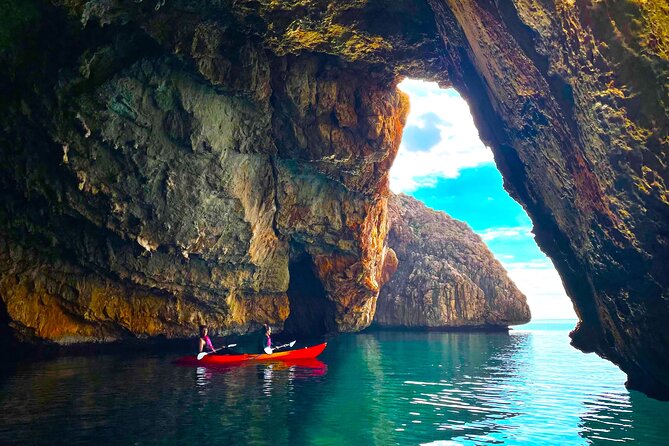
- Cova dels Orguens is the main prize: You paddle into one of Spain’s most striking sea caves, with clear water and echoing rock chambers.
- The group is capped at 10 people: A small group gives the guides more room to watch beginners and offer help.
- The meeting point is in Javea: Start at Carrer de la Barraca, 89, near Cala Portixol, rather than expecting to leave from central Benidorm.
- The route depends on the sea: Rough conditions can change the cave visit or make the return paddle tiring.
- Equipment is supplied: Kayaks, snorkelling equipment, water shoes, and life jackets are included as standard.
- You need reasonable physical ability: Every participant must weigh 100 kilograms or less, and children aged 4 to 12 need an accompanying adult.
What this Javea kayak trip is really like
Siesta Advisor runs this outing from Cala Portixol, a scenic starting point on Javea’s coast. The tour begins at 9:00 am and lasts about three hours, ending back at the same meeting point.
That early start is useful. The morning gives you a better chance of enjoying the coast before the day becomes hotter and busier. It also leaves time afterward for lunch or another beach stop, although the final timing can depend on sea conditions and the pace of the group.
I would think of this as an active coastal outing, not a boat trip where you sit back and let someone else do the work. You will paddle your own kayak, follow the guide, enter sea caves, and spend time in the water. For many people, that is the appeal. For anyone hoping for a very gentle sightseeing ride, it is worth taking the physical side seriously.
The maximum group size is 10. That matters more than it may sound. A guide can keep a closer eye on a small group, especially when people are learning to balance and steer. One Spanish-speaking participant described being nervous as a first-time kayaker, then feeling much more at ease after the group was split into smaller units with two guides looking after them.
More Sea Cave Snorkeling Tours in Spain
- Mallorca: Kayaking, Sea Cave, Cliff Jumping & Snorkel Tour
★ 4.8 · 1,447 reviews - Ibiza: Snorkeling and SUP Paddle, Beach and Cave Tour
★ 4.7 · 1,264 reviews - Costa Brava: Sea Caves Kayaking and Snorkeling Tour
★ 4.8 · 1,060 reviews
Starting at Cala Portixol
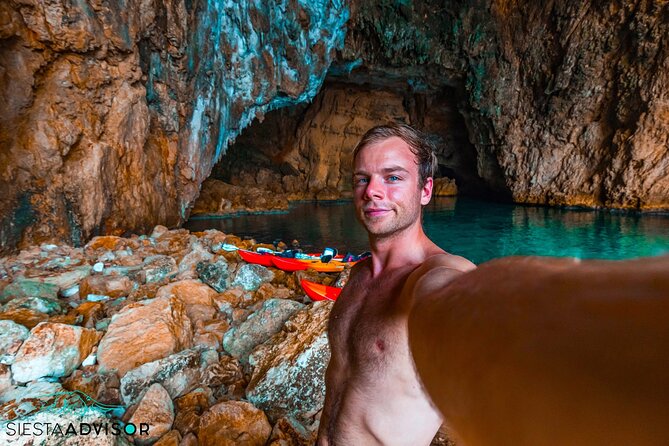
Cala Portixol is both the meeting point and the first coastal setting you see from the kayak. The official address is Carrer de la Barraca, 89, 03738 la Mar Blava, Alicante, Spain. Parking is available nearby, which is helpful if you are driving, though you should allow time to park and get ready before the 9:00 am start.
The setup is practical rather than elaborate. You receive the standard equipment, including a life jacket, water shoes, and snorkelling gear. Because the sea is involved from the start, wear a swimsuit and bring any personal sun protection you need. A dry bag with drinking water is also a sensible addition. One participant specifically wished that water had been supplied in the waterproof bags, so do not assume you will receive bottled water during the paddle.
Cala Portixol gives the group time to settle into the kayaks before heading farther along the coast. If you are new to kayaking, the first part is where you will learn how your boat responds to your paddle strokes and body movements. Do not rush this stage. A calm, steady rhythm will serve you better than trying to keep up with the strongest paddler.
Paddling past Cap Negre
The route heads toward Cap Negre, a tall, dark rock formation that gives the coast a dramatic profile. From the water, you get a different sense of scale than you would from a road or a beach path. The cliff faces rise directly from the sea, and the kayak keeps you close enough to notice the folds, ledges, and changes in color across the rock.
This is also the part that can feel most like exercise. One unhappy outing involved around 40 minutes of hard paddling to reach the cave because the waves were rough. That report should not be treated as the normal version of the tour, but it is an important warning. The route is exposed to the Mediterranean, and a calm forecast does not guarantee perfectly flat water.
You can ask yourself a simple question before booking: am I comfortable paddling for a sustained period if the water becomes choppy? If the answer is yes, the open-water section adds to the adventure. If the answer is no, check the conditions before setting out and ask what happens if the sea is too rough.
The guides’ approach seems to vary with the needs of the group. Stronger participants can paddle independently, while anyone who becomes tired or uncomfortable may receive help. Michele once towed a participant whose daughter had swallowed seawater and felt unwell. The guide stayed with them, talked to the family, and helped the daughter recover enough to continue under her own power.
Entering Dragon’s Cave
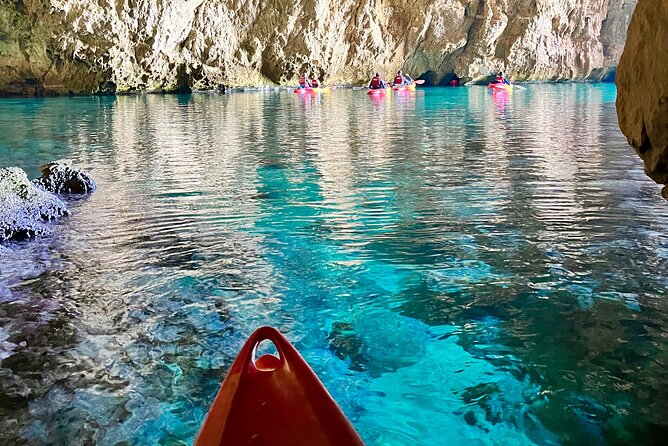
Dragon’s Cave is a smaller natural feature on the way to Cova dels Orguens. Its turquoise water and unusual rock shapes provide an early taste of what makes this stretch of Javea special.
The cave stop is not simply a photo pause. The guides take you into a coastline shaped by water, with narrow openings, shaded rock, and changing reflections. The color of the sea becomes more noticeable inside the darker space, especially when sunlight reaches the water through the entrance.
Conditions matter here. A passing boat once caused stronger waves inside a cave, making the group nervous for a short time. The group still felt looked after, but this is a reminder that a sea cave is not a swimming pool. Water moves through it, and boat traffic outside can affect the conditions within.
If you are uneasy in confined spaces, you may prefer to stay near the entrance rather than pushing farther inside. You can still enjoy the rock formations and the color of the water without trying to explore every corner.
More Snorkeling and Kayaking Trips in Spain
- Tenerife: Kayak and Snorkel with Turtles, Wetsuits Included
★ 4.6 · 7,215 reviews - Barcelona Costa Brava Kayak, Snorkel & Cliff Jump Day Tour
★ 5.0 · 3,872 reviews - Tenerife: Kayak Safari and Snorkel in a Marine Reserve
★ 4.5 · 3,214 reviews - Barcelona: Costa Brava Kayak, Snorkel & Cliff Jump & Lunch
★ 4.9 · 2,391 reviews
The main event at Cova dels Orguens
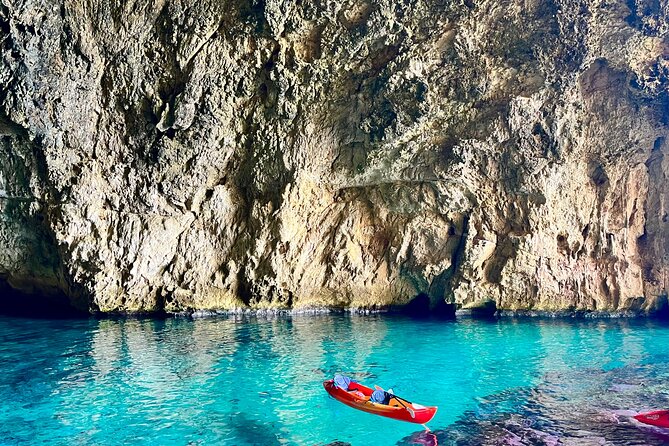
Cova dels Orguens is the reason to choose this outing over a basic coastal kayak rental. It is described as one of Spain’s most impressive sea caves, with transparent water and large chambers that throw sound back at you.
The effect comes from the combination of scale, water, and silence between the waves. Paddling inside changes the usual beach experience into something more elemental. You are not looking at the cave from a distant viewpoint. You are close to the rock, surrounded by its walls, with the kayak moving beneath you.
The snorkelling stop gives the visit another layer. You can use the supplied mask and snorkel to look through the clear water and see what lies below the surface. The attraction is not only fish. The cave itself, the submerged rock, and the light shifting under the kayak are part of the scene.
Keep your expectations sensible. Visibility and comfort depend on the sea, sunlight, and how busy the cave is at that moment. You may get wonderfully clear water, or you may find that movement makes the snorkelling less relaxed. The guides’ job is to keep the group together and safe, not to provide a long, specialist underwater session.
The cave can also feel demanding on the return. By this point, you have already paddled along the coast, and the trip back may be against wind or waves. If you are not an experienced kayaker, save some energy rather than treating the outward journey as a race.
Cala el Pom, if the timing allows
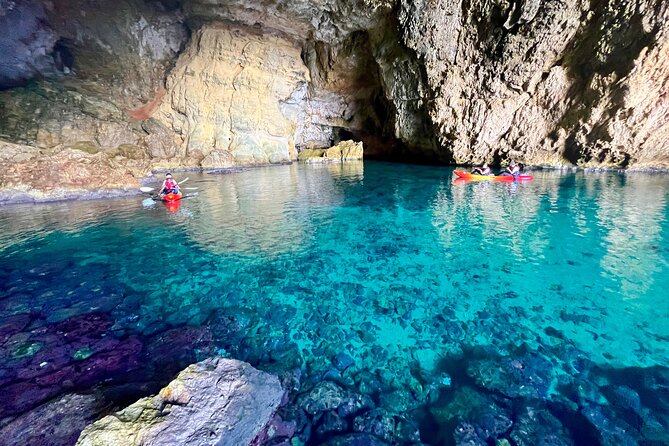
The proposed final stop is Cala el Pom, a small beach accessible only from the sea. It offers a quiet break from the more dramatic cave sections and a chance to see more of the Mediterranean coast from water level.
This stop is not guaranteed. It depends on the time available, the sea, and how the group is progressing. That flexibility is sensible because the guides should not hurry people through a cave or make an already tiring paddle longer just to tick off every location.
If you reach Cala el Pom, expect a simple coastal pause rather than a full beach day. The attraction is its isolation and the chance to rest in a place that cannot be reached by ordinary road access. Bring your own water and do not expect a wide range of facilities at a small sea-access beach.
The route shown for the outing lists Cala Portixol, Cova dels Orguens, and Cala Cap Negre. The fuller description also includes Dragon’s Cave and Cala el Pom when time and conditions permit. That difference is worth understanding: the exact sequence and final stop can change.
Weather is the key variable
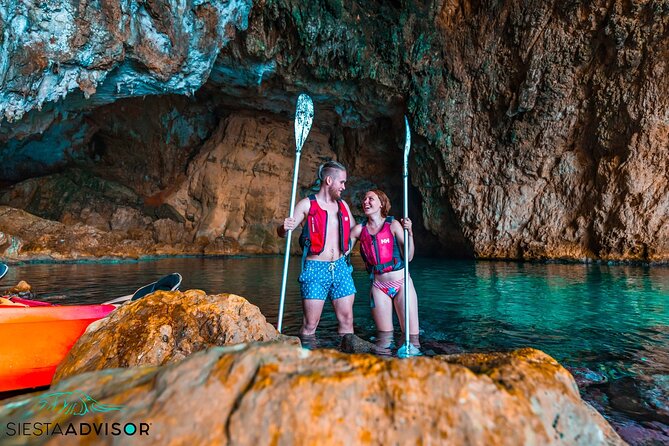
The strongest caution concerns poor sea conditions. One trip was altered because of the weather and became a visit to a much smaller cave with a beach stop. The participants still enjoyed the beauty of the coast, but they felt the substitute route did not match the original plan and that the snorkelling equipment was not available during the changed outing.
The policy says that the activity requires good weather. If the operator cancels because conditions are poor, you are offered another date or a full refund. That protection is useful, but it does not necessarily solve every situation. If the tour operates in marginal conditions and the route changes, you may not receive the same cave visit you expected.
I would contact Siesta Advisor before setting out if the forecast looks doubtful. Ask whether Cova dels Orguens is expected to be accessible and what equipment will be available if the route changes. The operator’s communication has been praised, and a quick check can prevent a bad surprise.
Safety also depends on speaking up. Tell the guide if you are tired, seasick, frightened, or struggling to control the kayak. The most helpful accounts describe guides who offered a tow and kept people calm. At the same time, one difficult trip included a participant who felt hurried after capsizing. That mixed account shows why conditions and group ability matter, and why you should not treat a rough-water day as a test of courage.
The $72.56 price and what you receive
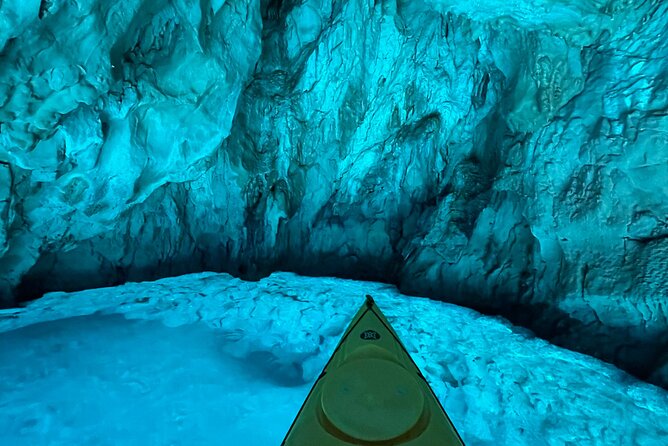
At about $72.56 per person, this is not the cheapest way to see Javea’s coast. You are paying for roughly three hours, a local guide, the kayak outing, access to sea caves, snorkelling time, and the supplied equipment.
The value is strongest if you want an active route that reaches places you cannot easily visit from land. Cova dels Orguens and Cala el Pom are difficult to appreciate from a normal beach stop, and a small group can feel more personal than a large commercial boat trip.
The value is weaker if the sea is rough and the route is changed. You may still receive a pleasant coastal paddle, but the main reason for booking is the cave. Check the weather and understand the cancellation terms before you commit.
The tour is offered in English, though individual guides may speak other languages. There are two time slots available according to the tour details, while the listed meeting information gives a 9:00 am start. Confirm your chosen departure time when booking.
Who should book this outing?
I would recommend it to active couples, families with older children, and first-time kayakers who want a guided introduction rather than renting a boat alone. The small group and supplied equipment make the outing easier to manage, while the cave route gives you a clear goal.
Children from 4 to 12 must be accompanied by an adult. Every participant must weigh no more than 100 kilograms. Service animals are allowed, and pets up to 25 kilograms can join if they have their own life jacket.
You should be comfortable getting wet, sitting in a kayak, and paddling for much of the three-hour period. The tour may suit a beginner, but beginner does not mean passive. You still need enough balance and stamina to manage the boat and respond to changing water conditions.
I would be cautious about booking it for anyone with a strong fear of open water, difficulty with balance, or very limited physical strength. A calm day can be forgiving, but a choppy day can feel much harder than the brochure-style description suggests.
Should you book the Cova dels Orguens tour?
Book it if the cave is your priority and you enjoy active sightseeing. The route combines striking rock formations, clear water, snorkelling, and a small group with personal guide support. At its best, it gives you a close look at Javea’s coast that a beach visit cannot match.
Before paying, check the forecast, confirm the morning meeting time, and ask what happens if the cave route is changed. Bring water, sun protection, and a swimsuit, and leave enough energy for the return paddle.
I would choose this tour on a calm-weather morning, especially if I were staying near Javea and wanted a memorable half-day on the sea. I would skip it during uncertain conditions or if my group wanted a relaxed ride with little physical effort.
FAQ
Where does the kayak tour start?
The meeting point is Carrer de la Barraca, 89, 03738 la Mar Blava, Alicante, Spain, near Cala Portixol in Javea. The activity ends back at the same meeting point.
What time does the tour start?
The listed start time is 9:00 am. The tour details also indicate that two time slots may be available, so confirm the departure option selected at booking.
How long does the activity last?
The tour lasts approximately three hours.
Is kayaking equipment provided?
Yes. Kayaking equipment, snorkelling gear, water shoes, and life jackets are provided as standard.
Can children join the tour?
Yes. Children aged 4 to 12 may participate, but each child must be accompanied by an adult.
What happens if bad weather cancels the tour?
If the activity is canceled because of poor weather, you will be offered another date or a full refund. You can also cancel up to 24 hours before the start time for a full refund.
Just added around Spain
- Kayak Route + Snorkel in Cantabria★ 4.5 · 9 reviews
- Kayak excursion in Jávea, Cala Granadella (Snorkeling) Caló, llop marí, ambolo★ 5.0 · 255 reviews
- Paddle Board Paradise: Magical Snorkel & Cave Exploring SUP Tour★ 5.0 · 10 reviews
- Kayak Dénia “Cova Tallada” + Snorkeling + Speleology★ 5.0 · 282 reviews
- Kayak And Snorkel Excursion in Jávea. Portitxol – Granadella★ 5.0 · 87 reviews
- Kayak Paradise: Cala Portixol Snorkel, Cave & Cliff Jumping Tour★ 5.0 · 279 reviews
- Uncharted Marine Reserve Cave, Snorkel & Cliff Jumping Kayak Tour★ 4.5 · 251 reviews
- Explore Costa Brava & Tossa de Mar Coastal Trails, Snorkel & Meal★ 5.0 · 124 reviews
Sea Cave Snorkeling Tours, compared.
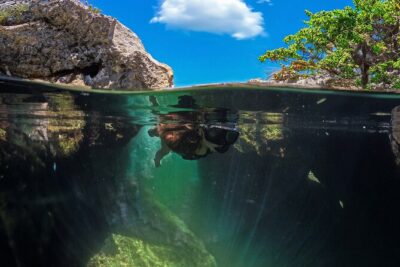
Viator Exclusive: Tulum Ruins, Reef Snorkeling, Cenote and Caves
Read our review →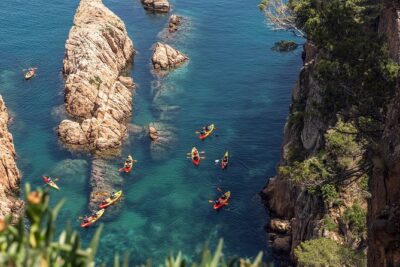
Kayaking, Sea Cave, Cliff Jumping & Snorkel Tour
Read our review →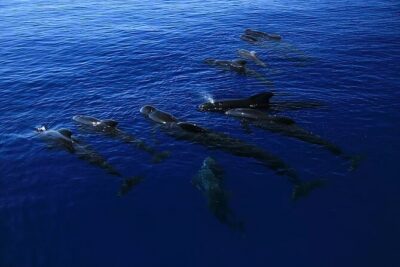
Kona Snorkel Tour: Captain Cook Reef Snorkel, Dolphin & Sea Caves
Read our review →Snorkeling and SUP Paddle, Beach and Cave Tour
Read our review →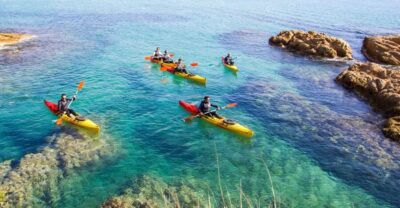
Pula: Cave Kayak Tour, Snorkeling and Island Jumping
Read our review →
Vlore: Haxhi Ali Cave, Karaburun Speedboat Tour & Snorkeling
Read our review →
Malta: Comino, Blue Lagoon & Caves – swim, snorkel & slide
Read our review →Browse the lists this tour appears in