Review · WORLDWIDE
Cape Town: Great African Sea Forest Guided Snorkel
Kelp forests are Cape Town’s underwater wild country. This two-hour False Bay outing puts you among swaying sea trees with a marine biologist, where the small details matter: shysharks hiding below, octopuses tucked into the rocks, and sea urchins wearing bits of shell like tiny hats. I especially like the small groups of eight and the chance to help with shark photo identification. The main catch is simple: this is not easy, warm-water reef snorkeling. The water can be cold, the kelp can block your view, and sharks are never guaranteed.
I also like that the trip has a purpose beyond sightseeing. You learn how the Sea Forest works, collect useful shark images for research, and receive photos afterward. Guides such as Mark the Shark, Danni, Danny, and Megan have been praised for clear explanations and careful support in the water. If you are comfortable swimming and willing to look below the surface, this is a thoughtful, hands-on way to meet Cape Town’s marine life.
Key points to know before you book
- You snorkel in a true kelp forest: Expect tall, swaying kelp rather than coral, sandy tropical water, or a wide-open seafloor.
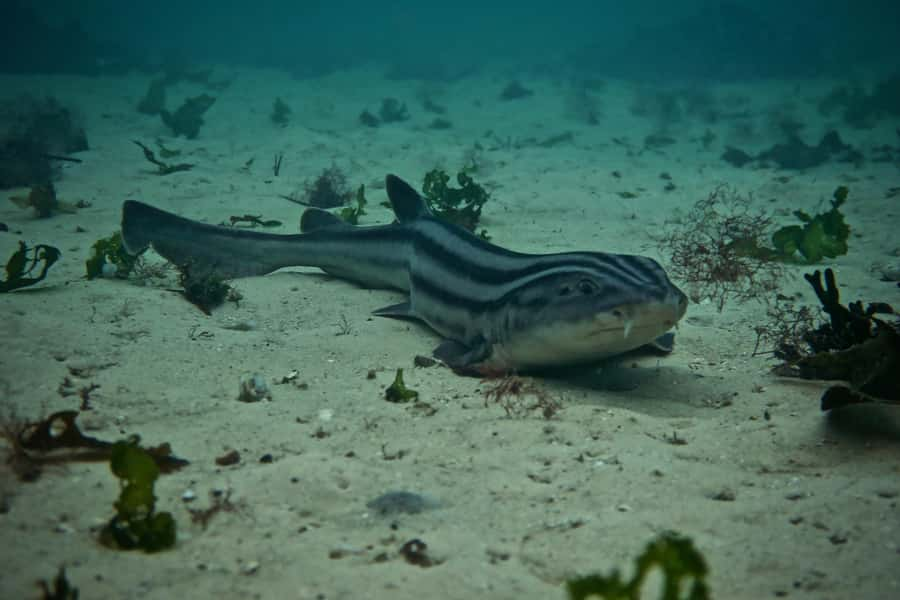
- The shark work is real participation: You help find and photograph an endemic local shark species for identification research.
- The marine biology briefing matters: The guide explains octopus hunting, shyshark hiding places, sea urchin behavior, and the wider ecosystem before you enter the water.
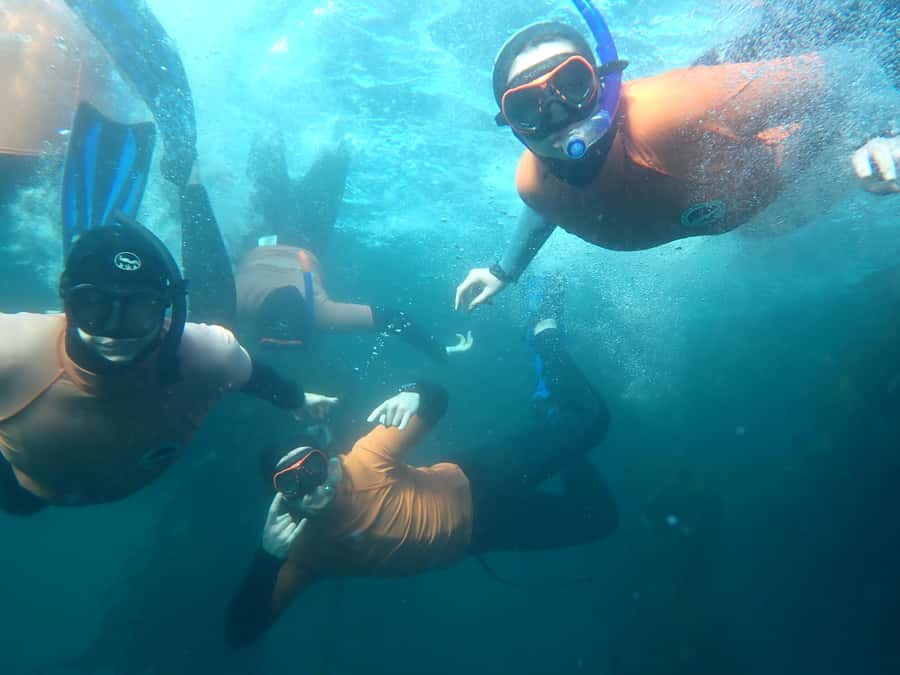
- A small group improves the outing: With no more than eight participants, the guide can point out animals and keep an eye on everyone.
- Surface snorkeling shows less: To see more of the seabed, you may need to gently swim down or move through the kelp, though the activity does not require a high fitness level.
- Weather does not cancel the concept: The outing runs in rain or shine, so your comfort depends on sea conditions and your tolerance for cold water.
Why Cape Town’s kelp forest feels so different
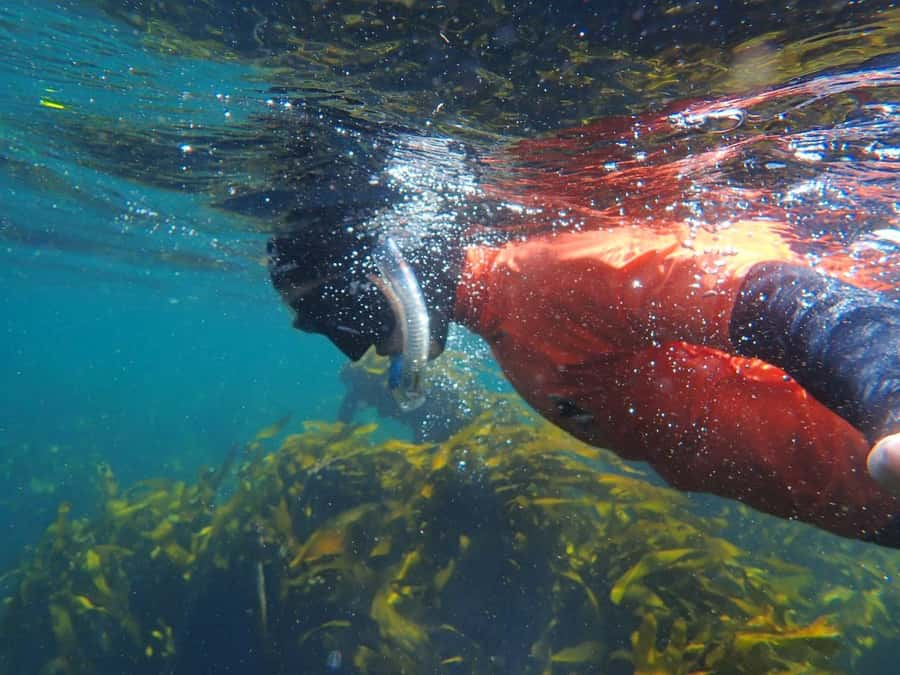
The Great African Sea Forest is not a tropical aquarium. You will not find coral gardens or clear, sunlit water stretching far ahead. Instead, you enter a moving underwater woodland, with kelp stems rising around you and sea life tucked into the spaces between them.
That difference is the point. The forest creates shelter and feeding grounds for a wide range of animals. Your guide helps you notice creatures that are easy to miss when you are simply kicking along the surface. A sea urchin may be covered with shell fragments. An octopus may change its position or vanish against the rocks. Shysharks favor hiding spots that become easier to recognize once someone shows you what to look for.
I like this kind of snorkeling because it rewards patience rather than speed. You are not ticking off a list of large animals. You are learning how the forest functions, then spotting pieces of that system one at a time.
More Guided Trips in the world:
- San Juan Guided Snorkel With Turtles Tour and Videos
★ 5.0 · 12,947 reviews - Dubrovnik: Sea Kayaking&Snorkelling Guided Day/Sunset Tours
★ 4.9 · 2,869 reviews - The ‘OG’ Manatee Snorkel Tour with In-Water Guide/Photographer
★ 5.0 · 2,539 reviews
Starting at Cape RADD on False Bay
You meet inside the Cape RADD Dive Center on the shore of False Bay. The experience begins with an in-depth briefing from a marine biologist, covering the area, the activity, safety, and the research work you will support.
This opening talk is more than a routine equipment explanation. You learn what the team is looking for and why shark markings can help scientists identify individual animals. You also get context for the species you may see, from octopuses and sea urchins to small sharks, seastars, abalone, and other local life.
That briefing is particularly useful if you are new to kelp snorkeling. It gives you something to focus on besides simply getting used to the mask and fins. Guides have been praised for taking time with explanations, and Mark the Shark has been singled out for a friendly introduction and good care of the group in the water.
You receive a wetsuit, mask, snorkel, and fins. Bring swimwear and a towel. The equipment has earned strong marks for quality, which matters here because a leaking mask or poor-fitting fins become annoying very quickly in cold, moving water.
Getting comfortable before the forest thickens
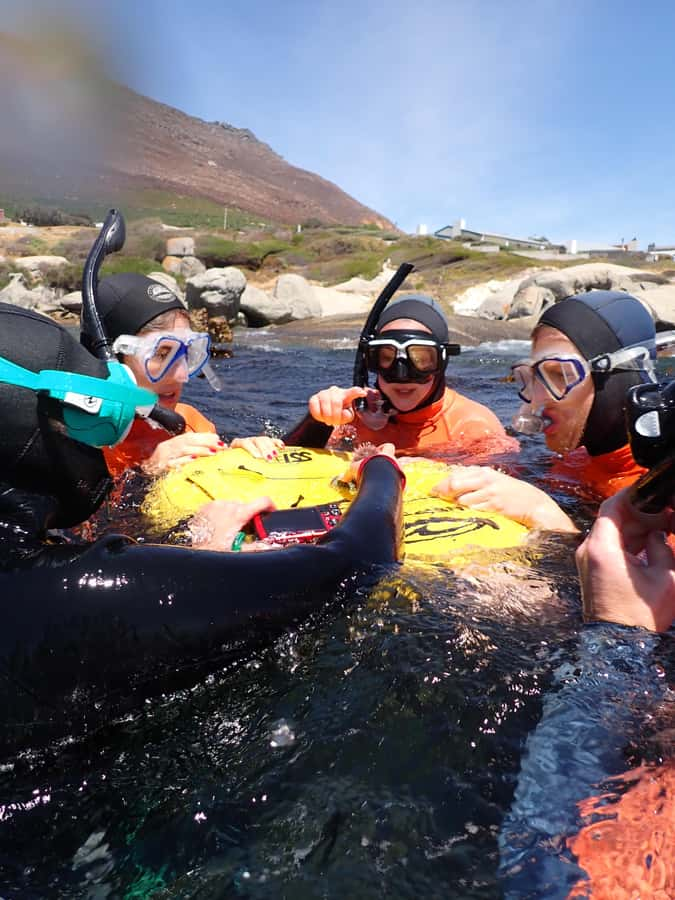
The group usually starts in shallower water, giving you time to settle into the equipment and learn how to move around the kelp. This is a sensible beginning, especially if you are less confident in open water or have never swum through a forest of sea plants.
The shallows may not be the most dramatic part of the trip, but they help you get your breathing under control. You can also learn how to avoid grabbing or kicking the kelp unnecessarily. The activity does not require a high level of fitness, but you must be able to swim or at least feel comfortable in the water.
Conditions shape the experience. One outing may have warmer, calmer water, while another may feel more demanding. The activity runs rain or shine, so you should arrive ready for the possibility that the day will not look perfect above the water. The state of the sea has a greater effect than rain does.
One practical warning comes from the access routine: a ride in the back of a truck has been described as uncomfortable when participants had no shoes and the black surface was hot. It is a minor part of the day, but wear something easy to manage and follow the crew’s instructions about footwear.
Looking below the surface for small wonders
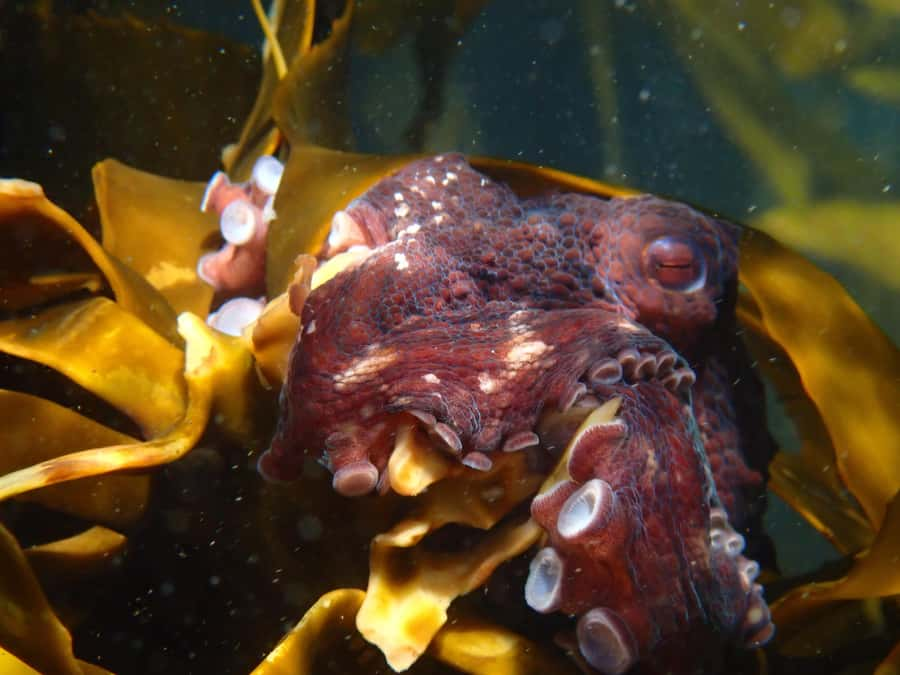
Once you move into thicker kelp, the guide turns the forest into a series of discoveries. You might learn how octopuses hunt, where shysharks tend to hide, and why sea urchins carry bits of material on their backs. These details give the outing its character.
You may see little sharks, octopuses, seastars, colorful urchins, abalone, and other animals. The shark sightings can be a major thrill, but they are not promised. One outing produced several small sharks and an octopus, while another had plenty of marine life but no sharks.
That uncertainty is worth accepting before you book. If your only goal is to see a shark, this is a gamble. If you want to understand a local marine system and possibly contribute a useful sighting, the experience makes more sense.
The kelp also changes how you snorkel. From the surface, you may see the canopy and only glimpses of the seabed. To see more, you may need to swim down through openings or look along the kelp at a greater depth. One participant found the most exciting section was around five to six meters, while also noting that this depth is not ideal for everyone.
You do not need to free-dive to take part. The guide can help you find animals from the surface, and the shallow introduction lets you decide how much you want to explore. Still, you should know that staying entirely on top may limit what you see.
A few more days in the water around the world worth a look
- Oahu: Grand Tour Around Island 16 Locations plus Snorkeling
★ 5.0 · 8,669 reviews - Tenerife: Kayak and Snorkel with Turtles, Wetsuits Included
★ 4.6 · 7,215 reviews - ️Nusa Penida by Private Boat – Snorkeling 4 spots, Swim with Mantas + Land Tour
★ 5.0 · 6,424 reviews - Big Island Manta Ray Night Snorkel
★ 5.0 · 5,656 reviews
Helping with shark research, not just taking a photo
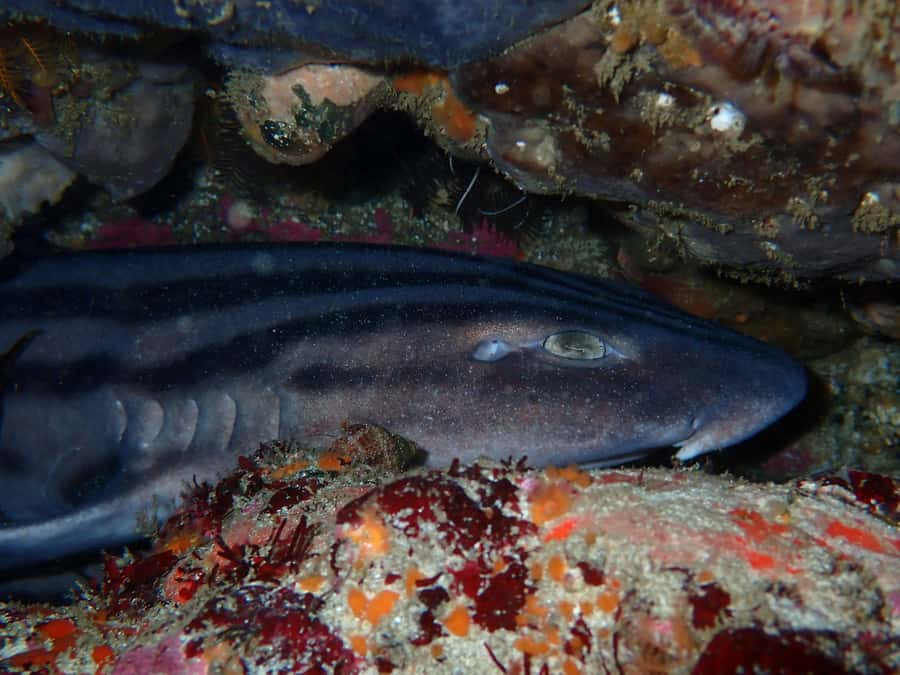
The research element gives the outing a useful focus. Your group searches for a friendly endemic shark species and collects photo identification. The goal is not to handle the animals or chase them. You help document which individual may be present, using visible markings and images.
This is a good example of how a short activity can support ongoing conservation work without turning the visitor into a pretend scientist. Your role is simple, but it has a clear purpose: find the shark, obtain useful photographs, and pass the information to the research team.
You receive access to the FinSpotter app, which lets you keep up with shark sightings. The app adds a link between your time in the water and the wider project. You can also receive the honorary title of Ocean Ambassador for assisting with marine research.
The best part is that the conservation message is tied to what you are seeing. You are not sitting through a generic environmental talk and then heading off to a separate attraction. The plants and animals around you give the guide something real to explain.
Photos, guides, and the small-group advantage
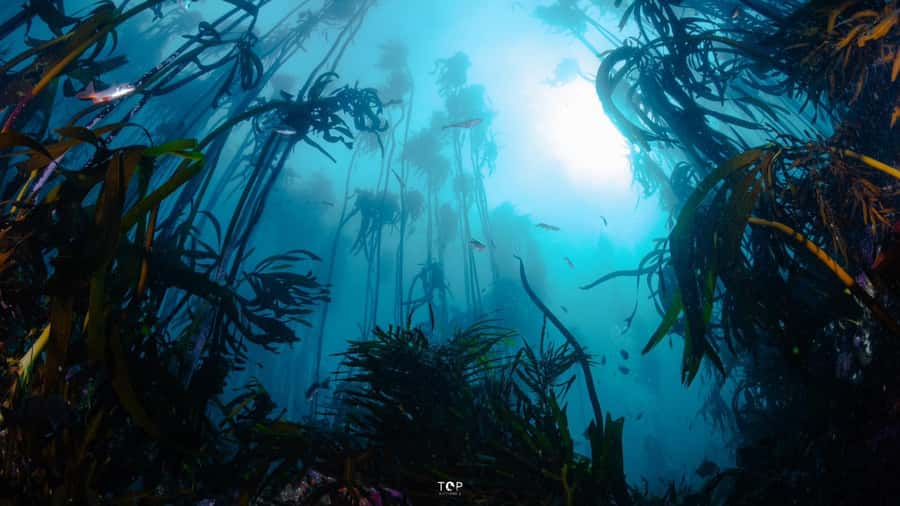
Photos are included, which is valuable in a setting where your attention is split between swimming, keeping your mask clear, and watching for animals. Underwater pictures also preserve the experience better than a quick phone snapshot from the shore.
Several guides have been praised for making the science accessible. Danni and Danny have been noted for their strong local knowledge and helpful manner. Megan has also received praise for leading a rewarding outing and including snorkeling photos. Mark the Shark is remembered for his detailed introduction and attentive supervision.
The guide is the heart of this activity. Kelp can look like a wall of green and brown if nobody points out what lives in it. A good guide turns a vague underwater scene into a series of clear moments: an octopus here, a shyshark hiding there, an urchin carrying its own little disguise.
With a maximum of eight people, you have a better chance of hearing the explanation and getting individual help. It also keeps the group from spreading too widely among the kelp. For an activity involving open water and changing visibility, that smaller format is worth paying for.
Is $74 a fair price for two hours?
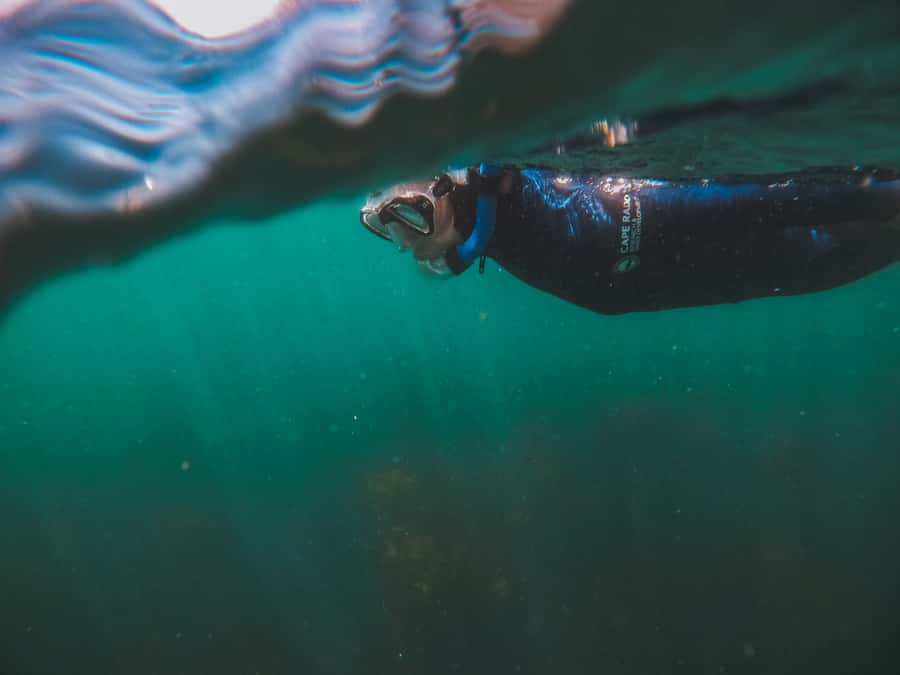
At $74 per person, this is not the cheapest way to get wet in Cape Town. The price includes a marine biologist guide, full snorkeling equipment, the briefing, photos, and the research component.
I think the value is good if you care about the setting and the learning. You are paying for expert guidance, equipment, a small group, and a structured conservation activity rather than simply renting fins and swimming near shore. The photos also save you from needing a waterproof camera.
The value is weaker if you expect a long, relaxed swim or guaranteed shark encounters. The water time may feel short to strong swimmers, especially if conditions are comfortable and you want more time in deeper sections. The stated activity length is two hours, and that includes preparation and the guided experience, so it is best viewed as a focused introduction rather than a full-day sea outing.
Who will enjoy this most?
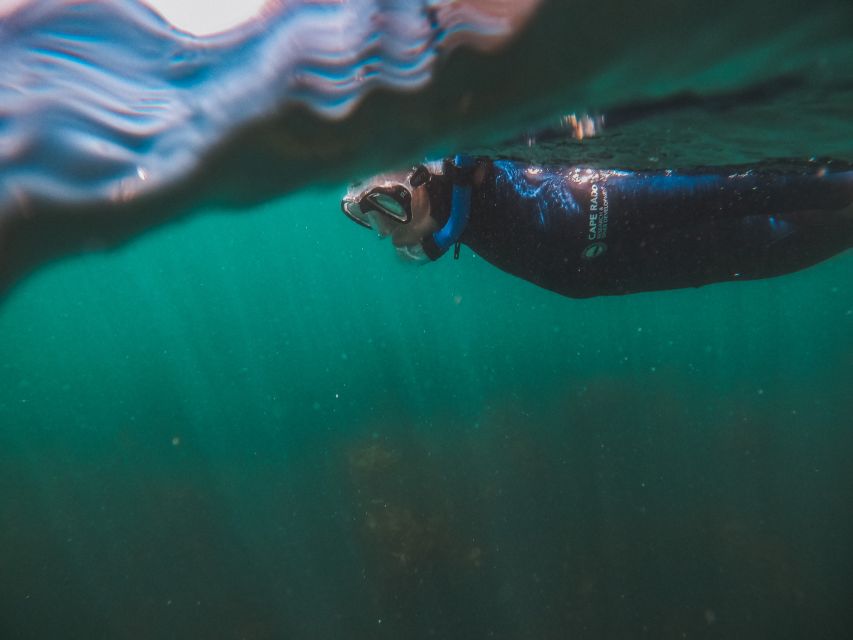
I would choose this for you if you like wildlife, want a guide who can explain what you are seeing, and prefer an activity with a conservation purpose. It suits confident swimmers and beginners who are comfortable entering the sea with supervision.
It is also a good choice if you have already seen tropical snorkeling and want something different. The kelp forest demands more attention than a coral reef, but it gives you a stronger sense of place. This is Cape Town’s local underwater world, not a copy of an Indonesian or Caribbean snorkeling trip.
You may want to skip it if you dislike cold water, feel uneasy around kelp, or want to stay on the surface the whole time. Children under 10 cannot join, and the activity is not suitable for pregnant women, people with mobility impairments, or anyone over 95. English is the teaching language.
The practical verdict on False Bay snorkeling
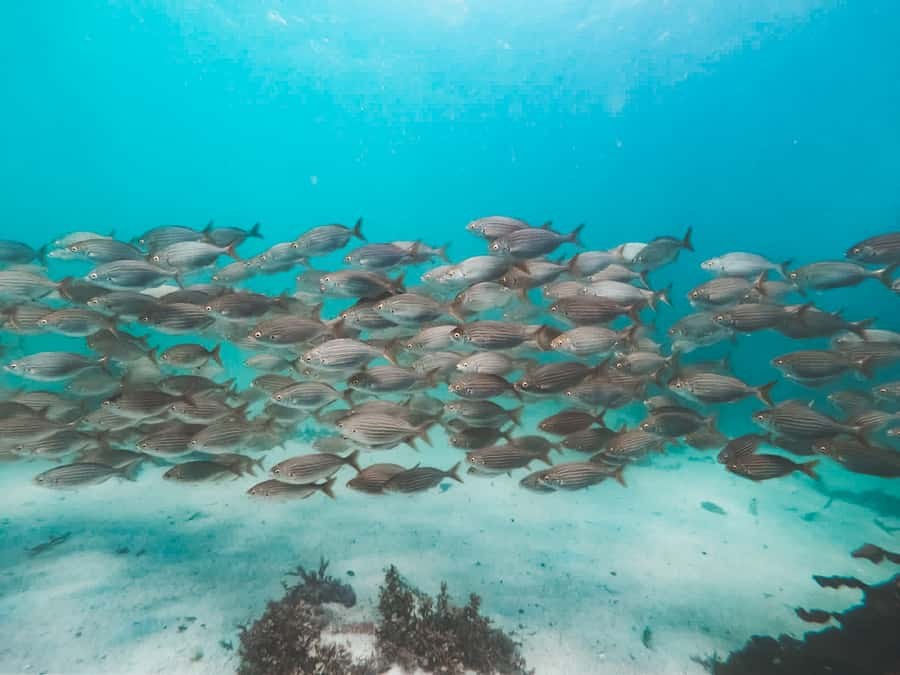
I would book the Great African Sea Forest Guided Snorkel if your idea of a good outing includes learning, searching, and accepting a little uncertainty. The strongest reasons are the marine biologist guides, the small group, the chance to support shark research, and the excellent variety of small sea life.
Go in with realistic expectations. You may see sharks, or you may spend your time with kelp, urchins, seastars, abalone, and an octopus. You may see more by swimming below the surface, but you do not need to force yourself into deeper water. Bring swimwear and a towel, expect the outing to run in rain or shine, and remember that this is a cold-water forest rather than a warm coral reef.
If that sounds like a good trade, $74 buys more than a snorkel session. It gives you a guided look at False Bay’s living sea forest and a small role in protecting it.
FAQ
How long does the Great African Sea Forest Guided Snorkel last?
The activity lasts two hours. Starting times vary, so you should check availability when booking.
Where does the snorkeling tour meet?
You meet inside the Cape RADD Dive Center on the shore of False Bay in the Western Cape, South Africa.
What equipment is included?
The tour provides a mask, snorkel, fins, wetsuit, and photos. You need to bring swimwear and a towel.
Do I need to be very fit to join?
No high fitness level is required, but you must be able to swim or feel comfortable in the water.
Will I definitely see sharks?
No. The group searches for an endemic shark species as part of the research project, but sightings are not guaranteed.
What marine life might I see?
Possible sightings include sea urchins, octopuses, shysharks, small sharks, seastars, abalone, and other animals living in the kelp forest.
Who cannot take part?
The activity is not suitable for children under 10, pregnant women, people with mobility impairments, or people over 95 years old.
Just added around the world
- Snorkeling in Puerto Morelos★ 5.0 · 164 reviews
- Snorkel at the Reef 2 HOURS Puerto Morelos National park★ 5.0 · 69 reviews
- Catamaran Snorkeling with Openbar & Lunch Cancun to Isla Mujeres★ 4.5 · 9 reviews
- Cancun Dancer Cruise to Isla Mujeres with Snorkeling and Lunch★ 4.5 · 353 reviews
- SeaRay 43ft Isla Mujeres, Snorkelling and more!!★ 5.0 · 15 reviews
- Riviera Maya Snorkeling★ 5.0 · 14 reviews
- Cancun Adventure: Reef Snorkeling & Parasailing Experience★ 4.5 · 41 reviews
- Puerto Morelos Snorkel, Town Walk, Tequila Tasting & Beach Lunch★ 3.5 · 10 reviews
Guided, compared.
San Juan Guided Snorkel With Turtles Tour and Videos
Read our review →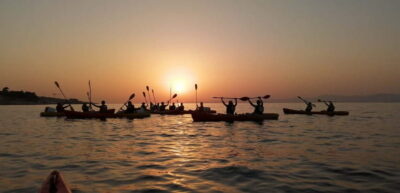
Sea Kayaking&Snorkelling Guided Day/Sunset Tours
Read our review →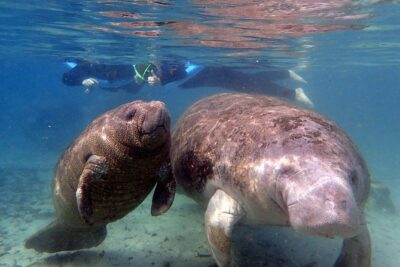
The ‘OG’ Manatee Snorkel Tour with In-Water Guide/Photographer
Read our review →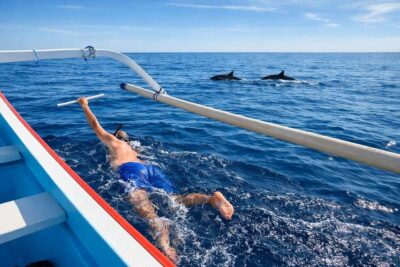
Guided Dolphin Watching & Sunrise Boat Snorkel
Read our review →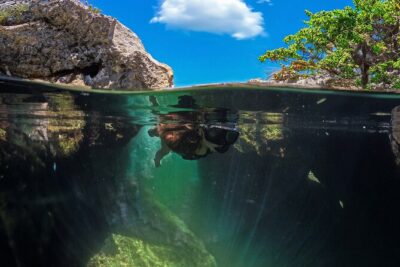
Tulum Guided Tour, Magical Cenote, Lagoon Snorkeling and Beachside Lunch
Read our review →
Cabo de Gata Active. Guided kayak and snorkel route through coves of the Natural Park
Read our review →
Guided Small Group Manatee Snorkeling Tour with In-Water Photographer
Read our review →