
Review · AUSTRALIA
Byron Bay: Snorkelling Tour of Julian Rocks “Nuthungulli”
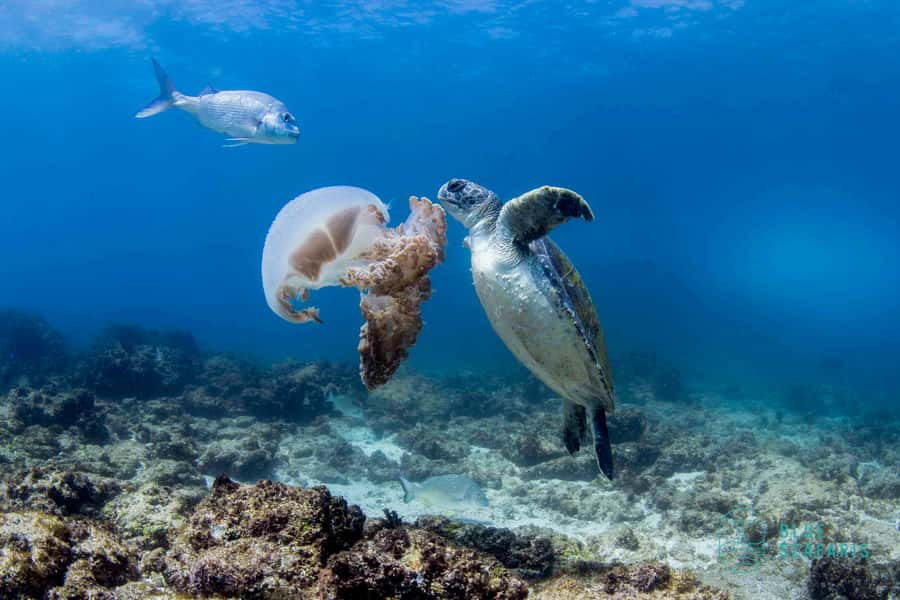
Marine life is close to Byron Bay. This 150-minute trip takes you from Brunswick Heads to Julian Rocks, locally known as Nguthungulli, where warm and cool ocean currents meet. I like the small-group boat ride and the careful guidance from marine biologists such as Will, Cristiana, Scott, and Kai. The main caution is simple: you must be comfortable swimming in open water, and choppy seas can make both the boat ride and the snorkel tiring.
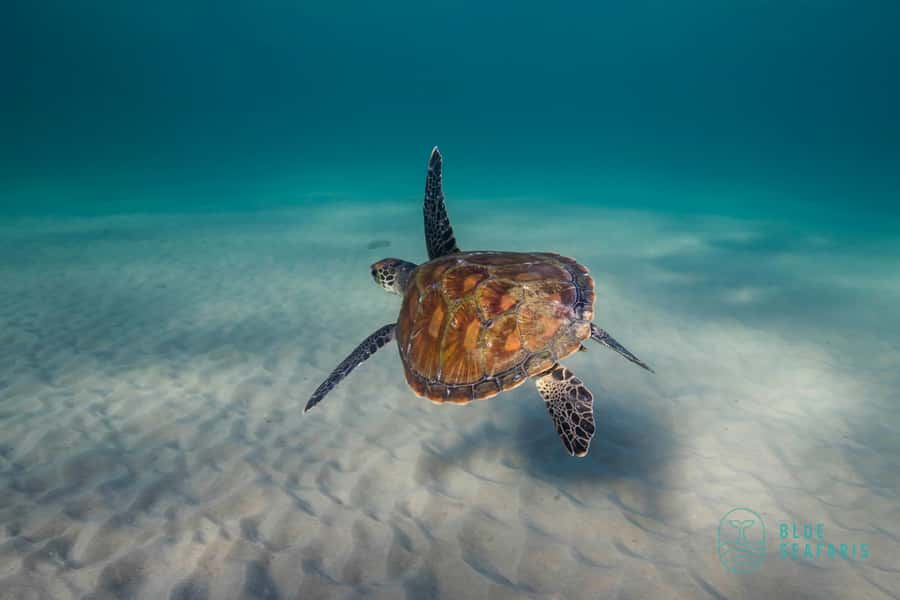
I also like the strong chance of seeing large animals without needing scuba gear. Turtles, leopard sharks, rays, schools of fish, dolphins, and seasonal whales have all appeared on these trips. Still, wildlife is never guaranteed, visibility can drop after rain or wind, and there is no flotation jacket for non-swimmers.
Key points before you book
- Julian Rocks is a marine wildlife meeting point: Warm tropical water and cooler temperate water create an unusually varied habitat.
- The boat leaves from Brunswick Heads: Allow about 15 minutes from Byron Bay by car, and check the time carefully because departures use New South Wales time.
- The trip runs for 150 minutes: About 15 minutes is spent reaching the rocks, followed by roughly 90 minutes at the site and the return ride.
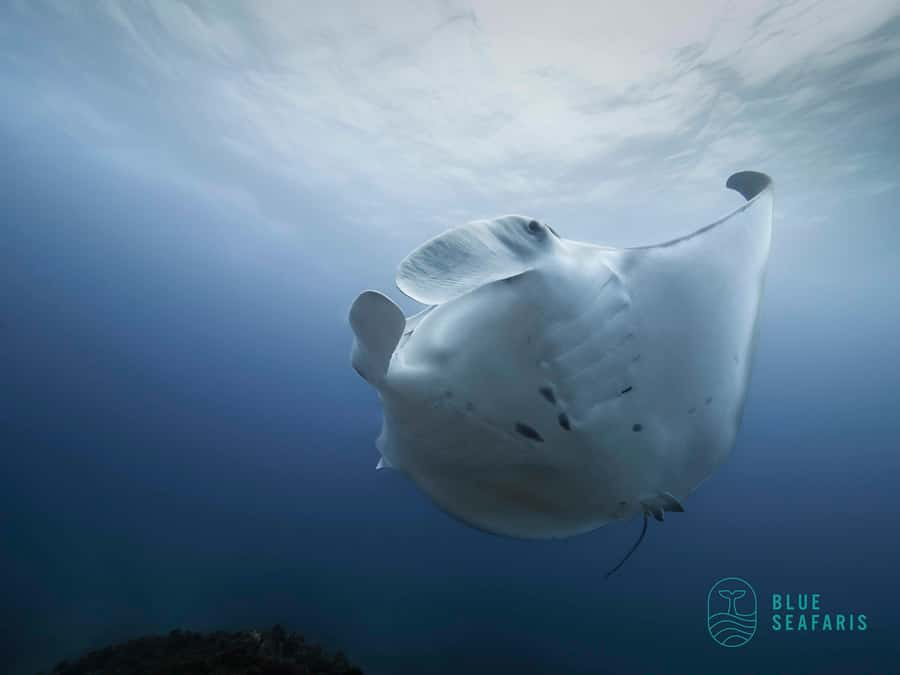
- Seasonal sightings help set expectations: Humpback whales are commonly seen from June to November, while manta rays and leopard sharks are more common from November to May.
- You need open-water confidence: Pool noodles are available, but non-swimmers cannot rely on flotation jackets.
- The equipment is included: You receive a mask, fins, and wetsuit, with a marine biologist guiding the water session.
Why Julian Rocks attracts so much wildlife
Julian Rocks sits off Byron Bay near the most easterly point of mainland Australia. Its position gives the site a useful mix of ocean conditions. Tropical species arrive with warmer currents, while temperate species are also at home in the cooler water.
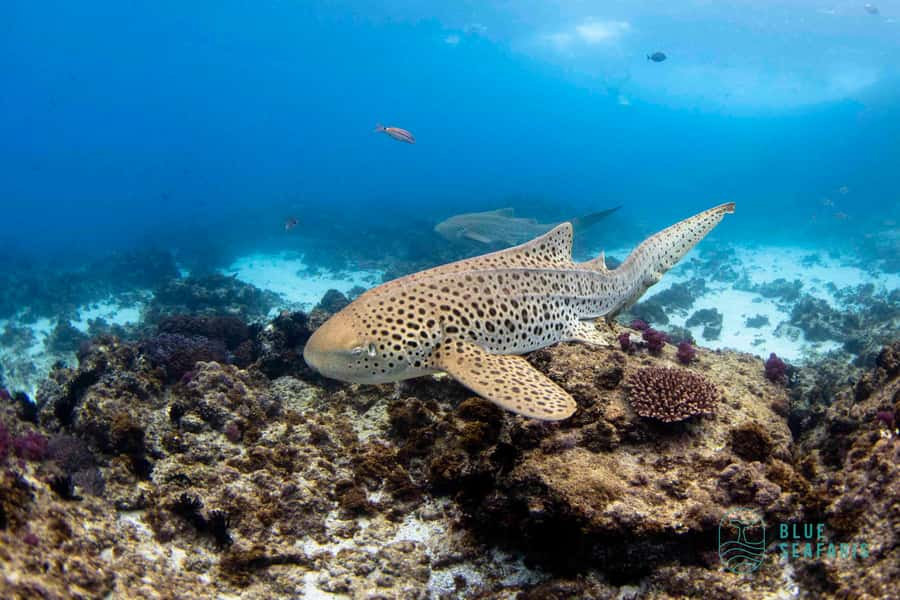
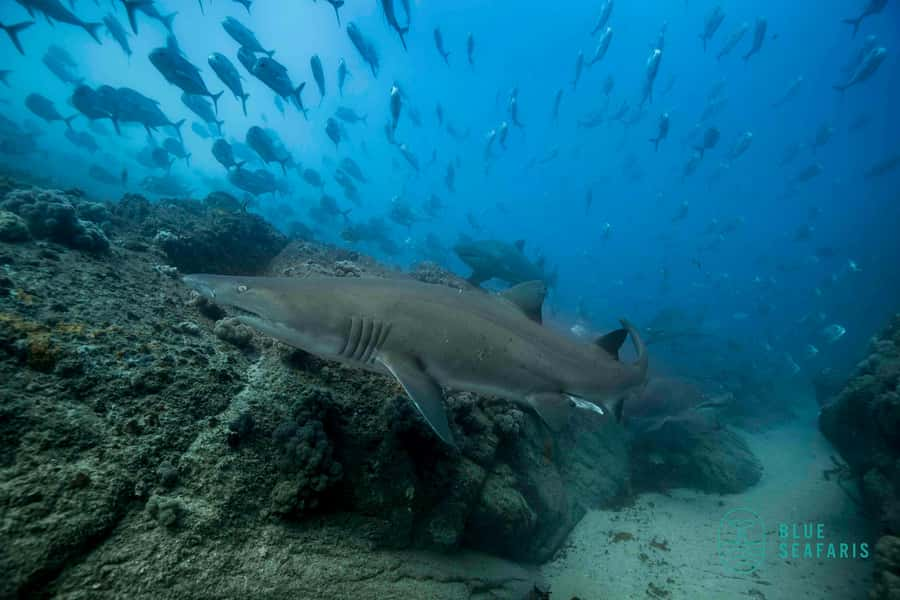
That helps explain the unusual list of animals associated with this short boat trip. You might see turtles, leopard sharks, wobbegong sharks, eagle rays, manta rays, stingrays, moray eels, blue groper, wrasse, pufferfish, barracuda, lionfish, jellyfish, and smaller reef fish.
The site is also protected as a marine sanctuary. That does not turn the ocean into an aquarium, but it does help preserve the habitat that supports such a busy food chain. Your guide’s job is not simply to point out animals. The guide watches the group, finds the safest route through the water, and helps you notice creatures that would be easy to miss.
The name Nguthungulli comes from the local Arakwal people. That name matters because this is more than a scenic stop offshore. You are visiting a place with cultural meaning as well as ecological importance.
A few more days in the water around Australia worth a look
- Ocean Rafting: Whitehaven Beach, Snorkelling & Hill Inlet Lookout
★ 5.0 · 4,777 reviews - Great Barrier Reef Snorkeling and Diving Cruise from Cairns
★ 4.5 · 3,714 reviews - Whitehaven Beach and Hill Inlet Lookout Snorkeling Cruise
★ 5.0 · 2,953 reviews
Leaving Brunswick Heads on Wardjum
The meeting point is at 43 Harbour Way in Brunswick Heads Boat Harbour, about 15 minutes north of Byron Bay and roughly 30 minutes south of Coolangatta. Look for the large Blue Seafaris banner and park nearby.
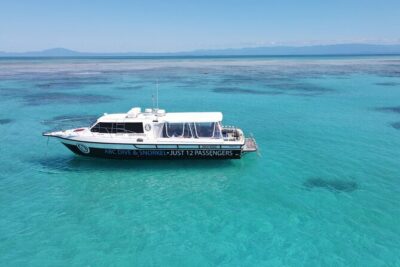
The boat is called Wardjum, a Bundjalung name for a mythical sea creature. It is a comfortable speedboat, and the 15-minute ride to Julian Rocks is part of the fun rather than a dull transfer. The boat can move quickly across the water, and several trips have included dolphins close to the route.
Do not expect a glassy lake crossing. Wind and swell can make the ride bouncy. One person described the waves as part of the fun, while another sensibly suggested taking seasickness tablets because conditions can be choppy. If you are prone to motion sickness, sit where you feel most stable, bring a calm stomach, and avoid treating the speedboat as a minor detail.
The crew may slow down or alter course if dolphins appear. That can create a memorable bonus, but it also means the exact timing may vary. Humpback whales are often seen from June through November, although a whale sighting is never promised.
Getting ready for the water
Once you arrive at the rocks, the crew supplies a mask, fins, and wetsuit. Several people have praised the condition of the equipment, especially the masks. A well-fitting mask makes a major difference because a leaking seal can spoil an otherwise fine morning.
The crew gives safety instructions before you enter the water. Guides stay with the group and point out the animals as you move around the site. This is particularly useful if you are new to snorkelling and are unsure how to pace yourself.
You must be comfortable swimming in open water. Pool noodles are available, but flotation jackets are not provided for non-swimmers. This is not a suitable introduction to swimming, and you should be honest about your ability when booking.
The activity is not suitable for children under seven, pregnant women, people with back problems, non-swimmers, people over 110 kilograms, or people over 70. Those limits may feel strict, but they reflect the practical demands of boarding a speedboat and swimming in open water.
Bring a sun hat, biodegradable sunscreen, and a reusable water bottle. A towel or warm jacket is also a smart choice, even though it is not listed among the required items. After the snorkel, you may feel cold on the ride back while wearing a wet swimsuit.
Ninety minutes around Julian Rocks
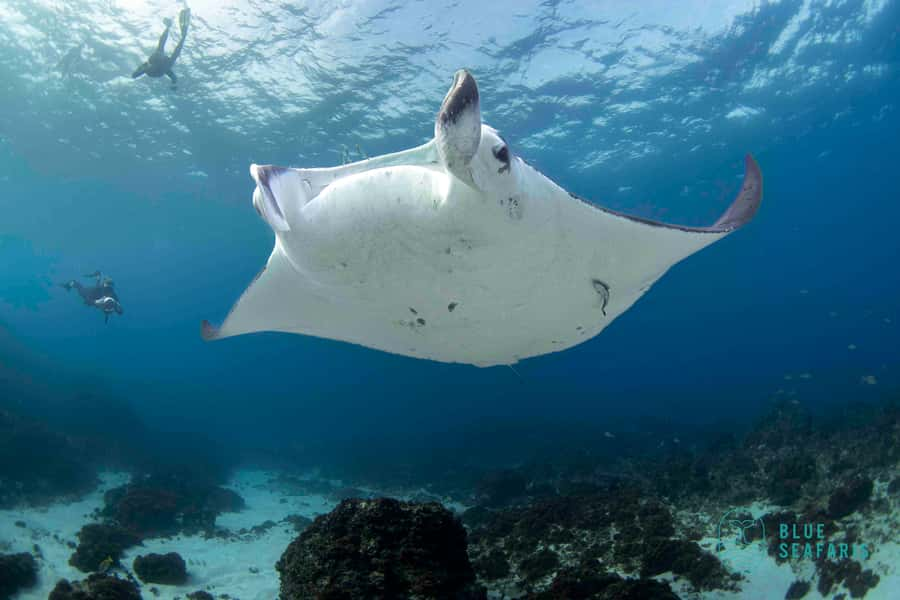
The main water session lasts about an hour and a half. The site is described as shallow and suitable for snorkelling and freediving, although the depth can vary. One experienced snorkeller found some areas deeper than expected, while another described the water as around four metres deep overall.
That difference is useful to understand. Julian Rocks is accessible for a confident beginner, but it is not a swimming pool with a perfectly even bottom. You may encounter moving water, changing visibility, and sections that feel more exposed than the beach.
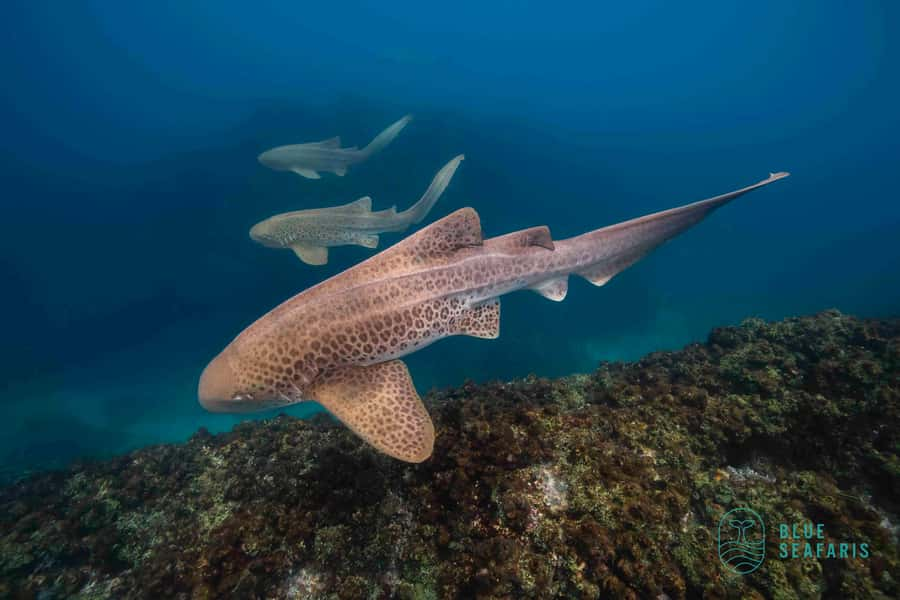
Your guide leads you toward the best areas for wildlife. Look carefully around the rocks and below the surface. Leopard sharks may rest on the bottom, turtles may sit quietly, and rays can pass through without much warning. You may also find large fish such as blue groper and wrasse among clouds of smaller fish.
The animal list is impressive, but you should not arrive with a checklist. A morning with turtles, sharks, and rays can happen, while another trip may produce mostly fish and a single turtle. One group saw no rays or moray eels even though the earlier trip had seen them. That is normal for wildlife watching.
The water can also change quickly. Rain and wave movement may stir sand and reduce visibility. Even on less sunny days, the guides can still find animals, but the underwater views may not be as clear. A sunny forecast improves the odds of bright water, not the certainty of a particular sighting.
Same water, a different way to get in it:
- Airlie Beach: Snorkel, Hill Inlet Lookout & Whitehaven Beach
★ 4.8 · 2,119 reviews - Ocean Freedom Great Barrier Reef Luxury Snorkel and Dive Cruise
★ 5.0 · 1,895 reviews - Cairns: Premium Snorkelling and Diving Reef Day Trip
★ 4.7 · 1,528 reviews - Cairns: Outer and Coral Cay Snorkel and Dive Cruise
★ 4.8 · 1,467 reviews
What guides add to the experience
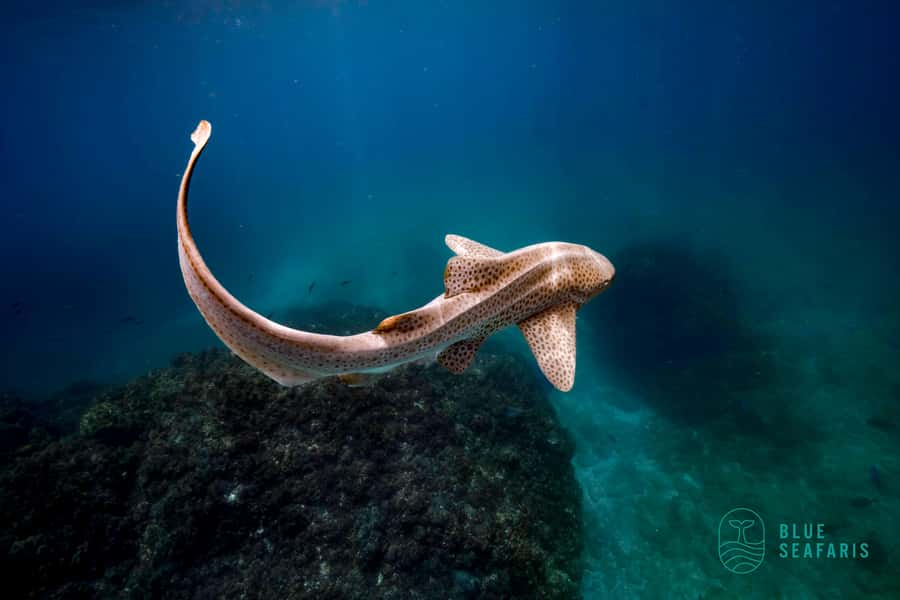
The guides receive especially strong praise for safety, patience, and finding animals. Cristiana helped a nervous snorkeller settle into the water, while the skipper stayed supportive. That kind of calm attention can matter more than a long lecture about marine biology.
Will has been praised for explaining what the group was seeing, and Kai was noted for explaining wildlife and seasonal patterns while keeping the group together. Scott has also led trips where the crew stopped for dolphins and helped people spot animals they would likely have missed alone.
The strongest part of the guiding is practical. A guide knows where to look, signals when an animal is nearby, and keeps the group moving at a sensible pace. That is valuable because leopard sharks and rays can blend into the seafloor, while small fish disappear into the general motion of the water.
The trip suits experienced snorkellers and people trying it for the first time. Experienced swimmers can spend more time watching the rocks and fish, while newer swimmers receive direct support. You should still be comfortable in open water before you arrive.
Wildlife seasons: what you are most likely to see
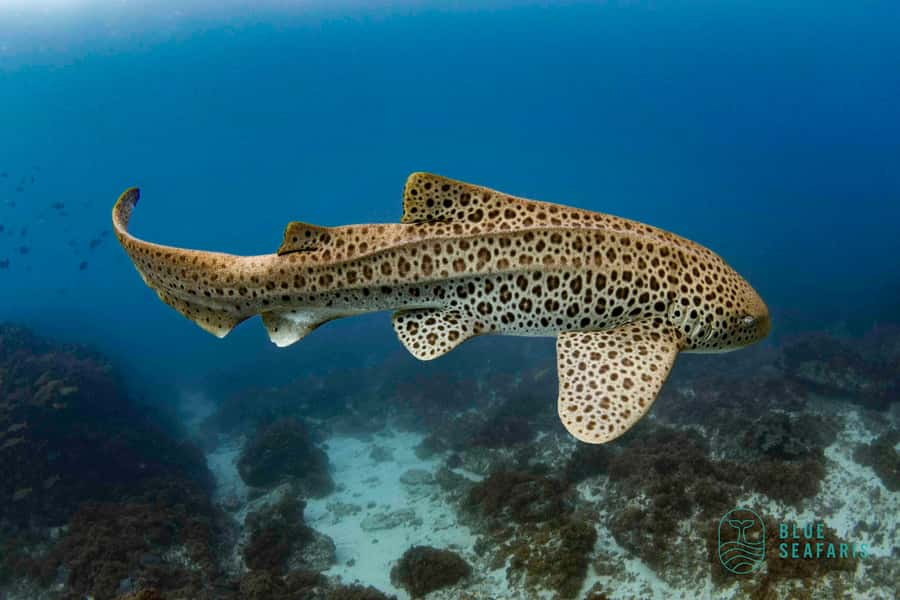
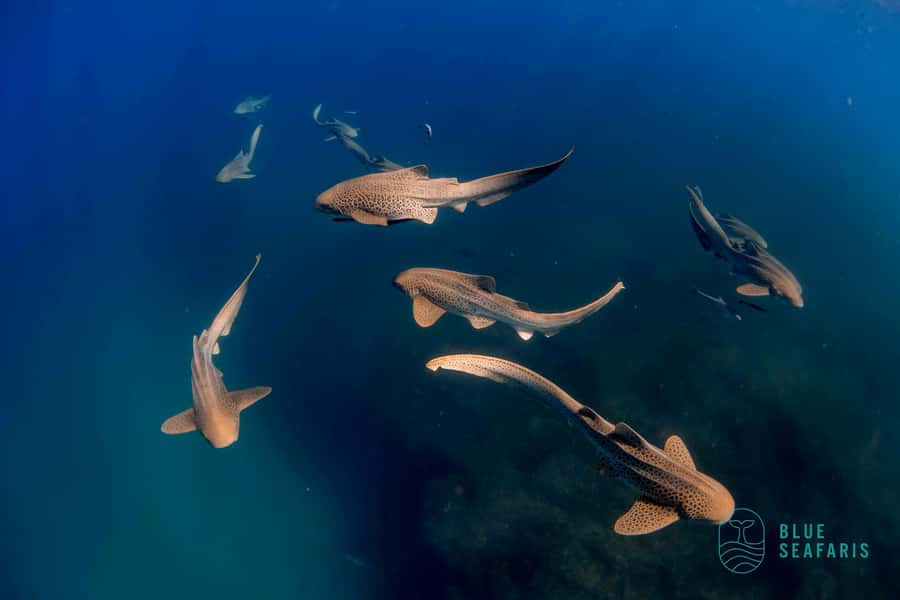
The operator identifies November through May as the better period for manta rays and leopard sharks. That does not guarantee either animal, but it gives you a useful reason to choose warmer months if those are your priorities.
Humpback whales are commonly seen from June through November. Several October trips included whales close to the boat, and one group could hear whale song while in the water. Again, the ocean makes the decision, but winter and spring offer a sensible chance for whale activity.
Turtles appear across the year in the available trip accounts. Dolphins can show up on the way out or back, and the crew may make a short detour if they are nearby. Other sightings have included wobbegong sharks, eagle rays, stingrays, jellyfish, moray eels, and large schools of fish.
Jellyfish deserve a practical note. One February trip encountered bluebottles, so a wetsuit or rash shirt is useful protection. The supplied wetsuit also keeps you warmer in the water and on the return trip.
Is the $91 price fair?
At $91 per person, this is not a budget beach activity, but the price covers more than a ride offshore. You receive transport by speedboat, a wetsuit, mask, fins, and a marine biologist guide. The total time is two and a half hours, with most of the outing devoted to the sanctuary rather than driving.
I consider that fair value if you want a guided wildlife experience and do not own your own equipment. The small group helps too. A group of around 10 can feel personal, and the boat remains nearby during the water session.
The price is less attractive if you are hoping for a guaranteed manta ray or whale encounter. You are paying for access, equipment, guiding, and a well-run search for wildlife, not a fixed animal performance.
The company also films some trips, so you may not need to spend the whole time managing a camera. Still, bring a waterproof camera if you want your own pictures. Keep your attention on the water first. The best moments can pass quickly.
The return to Brunswick Heads
After the snorkel, you climb back aboard Wardjum for the ride to the harbor. This is when a towel or jacket becomes useful. The wind can feel cooler against wet skin, even after a warm day.
Brunswick Heads is worth allowing extra time for after the trip. It is a pleasant place to get food, and several people found they were hungry after swimming. If you are relying on a rideshare, plan ahead. There can be limited drivers in Brunswick Heads, and one person reported a long wait for a car.
The tour itself lasts 150 minutes, but your day needs more room around it. Allow time to reach the harbor, park, change, and deal with a possible delayed departure caused by ocean conditions. Tours operate only when conditions are suitable. If the weather changes, the operator contacts you by email and SMS about rescheduling, so enter a working mobile number and check messages before leaving.
Who will enjoy this trip most
This is a strong choice for you if you:
- Swim confidently in open water.
- Want a guided wildlife outing rather than a self-led beach snorkel.
- Like fast boat rides and do not mind some bouncing.
- Are curious about marine animals and local conservation.
- Want to see Julian Rocks without arranging scuba equipment.
- Can accept that wildlife sightings depend on season and conditions.
It is a poor fit if you do not swim, become very seasick, need guaranteed calm water, or want a slow and dry sightseeing cruise. The boat ride is fun for many people, but it is not gentle in rough conditions.
Families with children should check the age rule carefully. Children under seven cannot join, and older children still need to be comfortable in open water. The trip can suit a newer snorkeller, but not someone who needs a flotation jacket or shore-based instruction.
Practical tips for a better morning
Arrive ready to move. Wear swimwear under your clothes so changing is simple, and bring a towel or dry layer for the return ride.
Use biodegradable sunscreen and carry a refillable water bottle. Put on sunscreen before boarding, since there may be limited time to organize yourself once the group is preparing to enter the water.
If you are prone to seasickness, consider suitable medication before departure. The crossing is short, but the boat can meet choppy waves.
Do not judge the outing by the first few minutes underwater. Give your eyes time to adjust, listen for the guide’s signals, and look where the guide points. Large animals may be resting low, while smaller fish appear in groups around the rocks.
Finally, keep your expectations flexible. One trip may bring dolphins, turtles, manta rays, sharks, and whales. Another may bring excellent fish life with cloudy water. Both are real ocean experiences, and the guide can improve your odds but cannot control the sea.
Should you book the Julian Rocks snorkel?
I would book this if you are a confident swimmer who wants close contact with Byron Bay’s marine life and enjoys a little speed and splash. The combination of a short transfer, small group, supplied equipment, and skilled guides gives you a lot in 150 minutes.
I would be cautious if you are a non-swimmer, have serious motion sickness, or need predictable conditions. For everyone else, the $91 price is reasonable, especially during the November to May period if leopard sharks and manta rays are high on your list. Book with enough flexibility to handle weather changes, bring a warm layer, and treat every animal sighting as a bonus rather than a promise.
FAQ
Where does the Julian Rocks snorkelling tour depart from?
It departs from Brunswick Heads Boat Harbour at 43 Harbour Way, about 15 minutes north of Byron Bay. Look for the large Blue Seafaris banner and park nearby.
How long does the tour last?
The full experience lasts 150 minutes. The boat ride to Julian Rocks takes about 15 minutes, and the visit to the marine sanctuary lasts around 90 minutes before returning to the harbor.
What equipment is included?
A marine biologist guide, mask, fins, and wetsuit are included.
Do I need to be a strong swimmer?
You must be comfortable swimming in open water. Pool noodles are available, but the operator does not provide flotation jackets for non-swimmers.
When are manta rays and leopard sharks most common?
Manta rays and leopard sharks are generally seen from November through May. Sightings still depend on ocean conditions and natural wildlife movement.
Can I see whales on this tour?
Humpback whales are commonly seen from June through November. Dolphins and other marine animals may also appear during the boat ride.
What happens if ocean conditions become unsafe?
Tours operate only when ocean conditions are suitable. If conditions change, the operator will contact you by email and SMS about rescheduling. Check your messages before departure.
Just added around Australia
- 2-Day Snorkelling Experience – Great Barrier Reef Twin Share★ 4.5 · 38 reviews
- Ocean Spirit Sail to Michaelmas Cay Snorkel or Dive, from Cairns★ 4.5 · 170 reviews
- Private Helicopter Tour: Reef Island Snorkeling and Gourmet Picnic Lunch★ 4.5 · 22 reviews
- Snorkelling and Glass Bottom Boat at Green Island from Cairns★ 4.0 · 386 reviews
- Snorkelling or Glass Bottom Boat at Green Island from Cairns★ 4.0 · 282 reviews
- Half Day Great Barrier Reef Snorkeling Tour★ 5.0 · 219 reviews
- Full-Day Great Barrier Reef Pontoon with Snorkeling & Activities★ 4.5 · 132 reviews
- Great Barrier Reef Small Group Snorkelling Adventure★ 5.0 · 15 reviews
Australia Snorkeling Tours, compared.
Ocean Rafting: Whitehaven Beach, Snorkelling & Hill Inlet Lookout
Read our review →
Great Barrier Reef Snorkeling and Diving Cruise from Cairns
Read our review →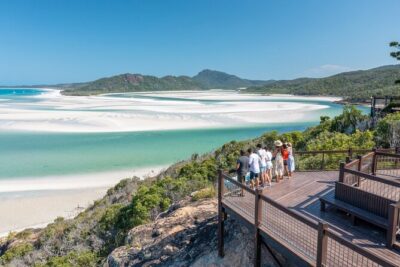
Whitehaven Beach and Hill Inlet Lookout Snorkeling Cruise
Read our review →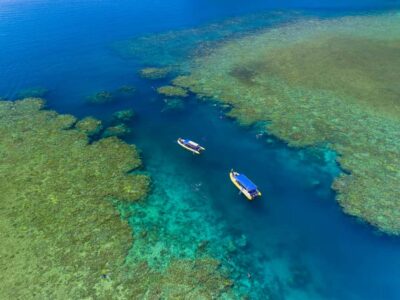
Snorkel, Hill Inlet Lookout & Whitehaven Beach
Read our review →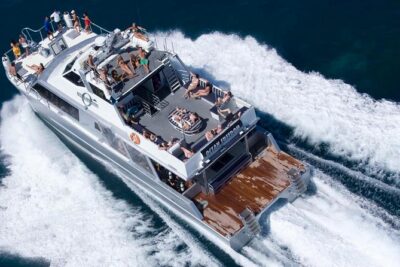
Ocean Freedom Great Barrier Reef Luxury Snorkel and Dive Cruise
Read our review →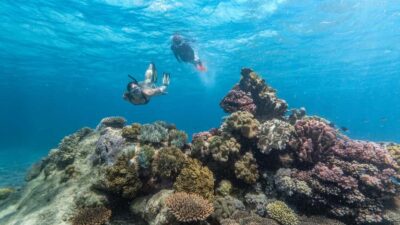
Premium Snorkelling and Diving Reef Day Trip
Read our review →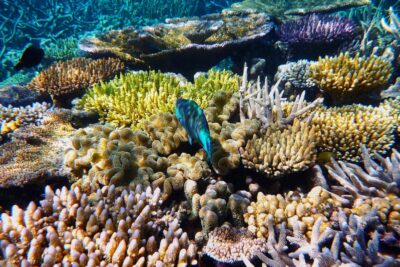
Browse the lists this tour appears in