
Review · BONAIRE
Bioluminescent Night Snorkeling
The sea lights up after dark. This 90-minute Bonaire night snorkeling experience gives you a rare look at bioluminescent marine life, including tiny ostracods and dinoflagellates that may flash around you as you move through the water. I like the small maximum group of eight and the guide-led explanation of what you are seeing. I also like that you enter from shore, rather than needing a boat.
The main caution is that bioluminescence varies from night to night. You may see a remarkable field of glowing organisms, or only brief flashes. One firsthand account praised the magical effect but also said the amount of visible light was limited and did not match the promotional photograph. That makes this best for curious snorkelers who enjoy natural surprises, not for anyone expecting a guaranteed underwater light show.
Key points at a glance
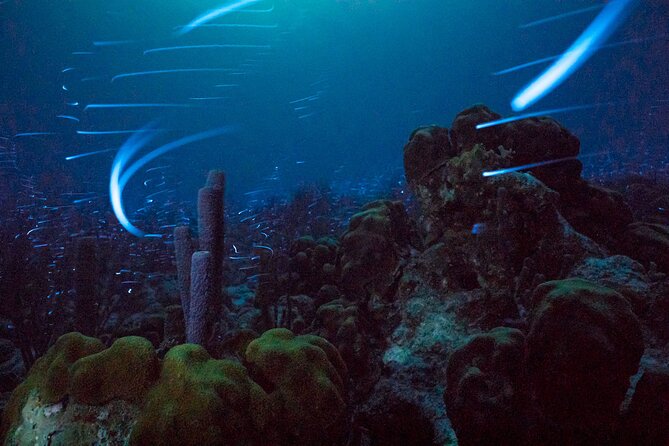
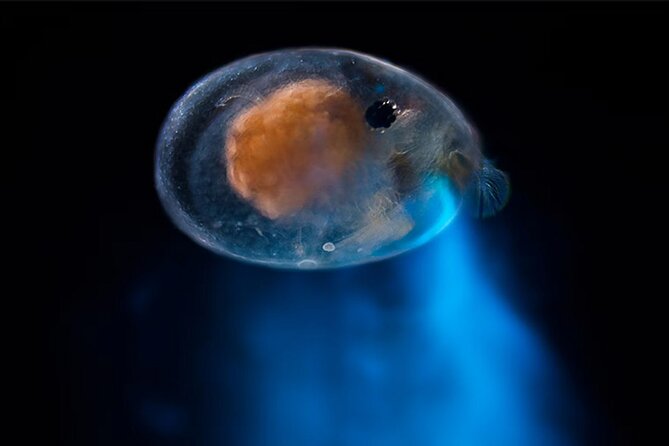
- Ostracods and dinoflagellates: The guide explains the Caribbean importance of these bioluminescent organisms and helps you look for their flashes.
- Small group size: The tour accepts no more than eight people, which should make the water briefing and guide attention more personal.
- Shore entry: You walk into the sea from the meeting area, making the outing simpler than a boat-based night trip.
- About 90 minutes: The evening includes an explanation, safety briefing, equipment fitting, guided snorkeling, and time for questions afterward.
- Jellyfish caution: Night snorkeling can increase the chance of encounters, and the guide may stop early if stings seem likely.
- Bring protective clothing: A long-sleeve wetsuit, rash guard, or similar water clothing is advised.
Meeting at 7:00 p.m. in Kralendijk
The tour begins at Zhung Kong Supermarket, at 98 Kaya Gob. N. Debrot in Kralendijk. The stated start time is 7:00 p.m., and the activity returns to this same meeting point.
That arrangement keeps the evening straightforward. You do not need to find a marina or board a boat in the dark. The shore-based format also means less time is spent on transport and more time is available for the actual subject of the outing: the glowing water.
Pickup is offered, but I would confirm the pickup details before the evening begins. A reported pickup problem occurred when the guide accidentally left a phone behind and did not have the address. That sounds like an isolated mistake, but it is a useful reminder to make sure your location and meeting plan are clear.
The activity is supplied as a mobile ticket, and confirmation is received when you book. Since the exact conditions matter so much, it is wise to read the day-of instructions carefully and arrive ready for a night in the water.
More Night Snorkeling Trips in Bonaire:
- Sunset- night snorkel trip
★ 5.0 · 23 reviews - Night Snorkeling Adventure
★ 5.0 · 18 reviews - Big Island Manta Ray Night Snorkel
★ 5.0 · 5,656 reviews
The first briefing explains what you are looking for
Before entering the sea, the guide explains bioluminescence and why ostracod displays are special in the Caribbean. This short lesson matters because the organisms are tiny, and the experience makes more sense when you know the difference between a general glow and the quick flashes produced by moving water.
The guide also describes how the group will snorkel and what you should and should not do. At night, simple instructions carry more weight. You need to know where to move, how to follow the guide’s light, and how to avoid disturbing the water more than necessary.
The tour description promises an explanation of the conditions expected on your specific date. That is important because the guide cannot offer a fixed list of creatures for every evening. Weather, darkness, water conditions, and the organisms present that night all affect what you see.
I appreciate that the experience is presented as an observation of a living system, not as a guaranteed stage show. The best night may bring much more visible activity than another. The tradeoff is that the tour can feel less predictable than a standard reef snorkel.
Fitting the gear before entering the dark water
After the briefing, you fit the provided snorkel equipment. The guide uses a light to lead the group to the safe entry point. Those lights are described as safety tools, not as a way to illuminate the bioluminescence.
That distinction is central. The glowing organisms can only be seen properly in complete darkness, so ordinary lights would work against the main purpose of the outing once you are in the water. Your eyes need time to adjust, and the group needs to follow the guide’s directions rather than create its own bright pool of light.
The shore entry makes this outing accessible to many people who can already snorkel, but it is not recommended for people with medical or physical problems. The experience still involves getting into the sea at night, moving through the water, and staying alert in low visibility.
If you have a long-sleeve wetsuit, rash guard, or other protective water clothing, bring it. The operator specifically advises this because night snorkeling brings a greater chance of jellyfish encounters. That clothing may also make you more comfortable in the water, though it does not remove the need to listen closely to the guide.
Looking for flashes among the bioluminescent marine life
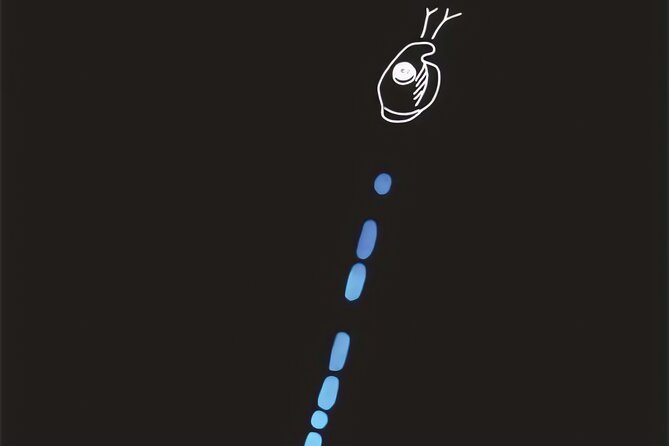
Once the group reaches the water, the guide shows you how to spot the phenomenon. Movement is part of the story. As you swim and disturb the water, tiny organisms may produce brief flashes, creating the impression of small sparks around your hands or body.
The most praised part of the experience is the chance to interact with dinoflagellates. One especially enthusiastic account described the water as a sea of stars and called the outing a favorite excursion on Bonaire. That kind of response is easy to understand: the effect is not simply something you watch from a distance. Your own movement may help reveal it.
Ostracods are also a key focus. These small crustaceans create short bioluminescent displays, and the guide explains why their behavior is notable in the Caribbean. You may see different types of activity depending on the conditions, so the guide’s interpretation helps you notice details that would be easy to miss alone.
Keep your expectations measured. One less-positive account said that the limited exposure to photoluminescent organisms was impressive but did not match the tour image. Promotional photos of glowing water can set an unrealistic standard, especially when a camera captures light differently from the human eye.
A better way to think about the activity is this: you are taking a guided chance to witness a natural reaction in darkness. It might be subtle flashes, or it might feel much more dramatic. The guide cannot control the number of organisms present, but can help you make the most of the conditions available.
A few more days in the water around Bonaire worth a look
- Double Dip Snorkel Trip
★ 5.0 · 1,305 reviews - Clearbottom Mangrove Kayak & Snorkel tour
★ 5.0 · 597 reviews - Klein Bonaire Marine Park Snorkeling Excursion
★ 5.0 · 343 reviews - Luxury snorkel trip on a spacious wooden schooner and local lunch
★ 5.0 · 284 reviews
Why a small group of eight matters after sunset
The maximum group size is eight people. That is a useful limit for a night activity, since everyone needs to hear the briefing and stay within the guide’s instructions.
A smaller group should also make it easier to ask questions. The guide discusses what you have just seen and can explain more about the still-developing study of bioluminescence. The tour description makes clear that some parts of this subject remain under active study, so you should expect honest answers rather than a polished script for every question.
The small size does not guarantee perfect visibility. If everyone moves at once, the water may become busy, and the effect may be harder to notice. Still, eight people is far more manageable than a large nighttime crowd, especially when the main attraction consists of faint, fleeting flashes.
This is an experience where patience helps. You may need to pause, watch, and let your eyes adjust. It is not a fast-moving checklist of named animals. The reward comes from noticing a small change in the water and understanding why it happened.
Jellyfish are the main safety consideration
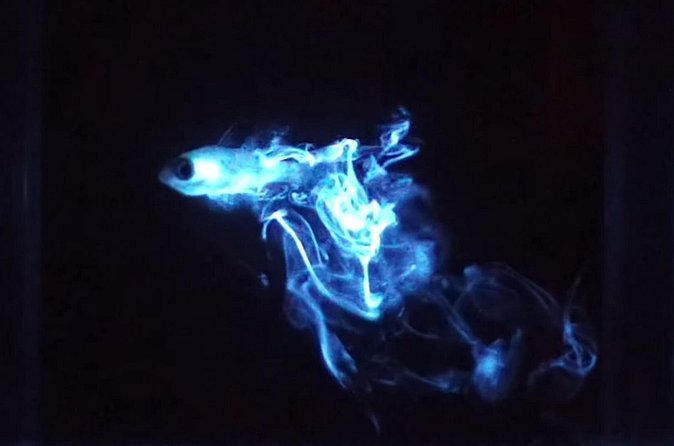
The operator warns that night snorkeling brings an increased chance of jellyfish encounters. If the guide believes there is a high chance of stings, the excursion may end early.
That policy is sensible, but it is important to understand what it means before you book. An early finish would reduce the time in the water, even if the decision is made for good reason. If that happens, you are offered another evening at no charge.
The possibility of a replacement night provides some reassurance, but it may not help if you are leaving Bonaire soon. If your schedule is tight, ask yourself how much flexibility you have. You should also tell the guide about any concerns before entering the water.
Service animals are allowed, and most people can participate. However, the activity is not recommended for people with medical or physical problems. The combination of shore entry, nighttime conditions, and open water calls for basic comfort in the sea.
The experience finishes with questions and explanations
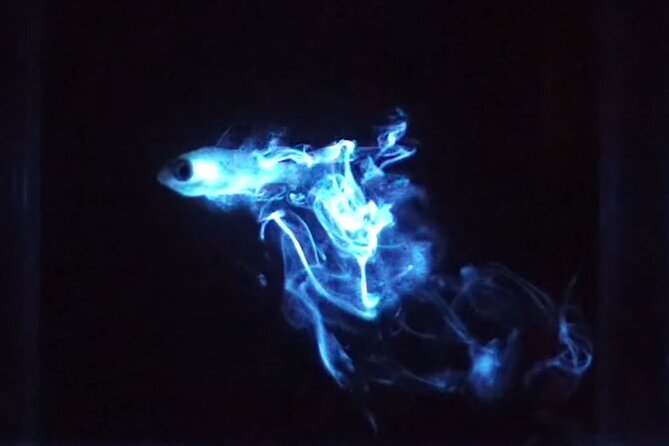
After you leave the water, the guide is happy to discuss the living light you have just seen, if conditions and time allow. This post-snorkel conversation is a worthwhile part of the tour because bioluminescence can raise more questions than it answers.
You might want to ask about the difference between ostracod flashes and dinoflagellate glow, why displays change from one evening to another, or what scientists currently understand about these organisms. The guide says the discussion follows ongoing studies, so the information may be more nuanced than a simple nature talk.
The activity ends back at the original meeting point. The total time is about one hour and thirty minutes, though the amount of time spent in the water may depend on safety conditions and what the guide finds that evening.
Is $66.01 a fair price?
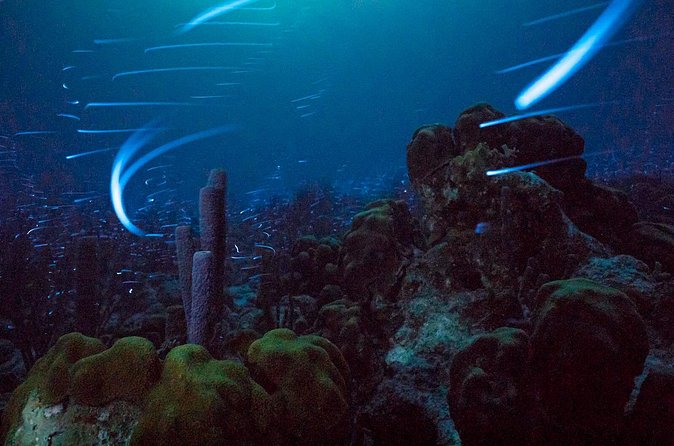
At $66.01 per person, this is not the cheapest way to spend an evening in Bonaire. You are paying for a guided specialty outing, snorkel equipment, the safety briefing, local interpretation, and a chance to see something that is difficult to find without help.
The value depends on what you want from the night. If you are interested in marine science and enjoy unusual natural events, the price is reasonable for a small-group experience with a maximum of eight people. The guide does more than point toward a reef. You receive context about the organisms and instruction on how to see them in darkness.
The value is weaker if you want a predictable spectacle. The amount of bioluminescence can change, and one account found the visible activity much less impressive than the image used to promote the experience. You should book for the possibility of a memorable glow, not a guaranteed field of bright blue light.
Certified scuba participants have another option. The operator strongly recommends its separate bioluminescent night scuba tour for people with certification, since getting into the middle of the phenomenon underwater can provide a different experience. That option is mentioned as an alternative, but it is not part of this snorkeling tour.
Who should book this Bonaire night snorkel?
I would recommend this outing to confident snorkelers who enjoy nature, unusual science, and a little uncertainty. It suits someone who wants a short evening activity rather than a full-day excursion, and it works well for people who appreciate a guide explaining what they are seeing.
It is also a good choice if you prefer a small group and shore access. You avoid a boat ride and get a focused look at one specific natural event. The 7:00 p.m. start leaves the rest of your day open.
I would hesitate if you are uncomfortable entering the sea at night, have medical or physical concerns, or need a fixed, highly visual result. I would also think twice if you have no flexibility in your schedule, since jellyfish conditions can lead to an early finish or a suggested return on another evening.
The strongest reason to book is the chance to move your hands through dark Caribbean water and see tiny living flashes respond. The strongest reason to hold back is that nature sets the schedule, not the tour operator.
Should you book it?
Book this bioluminescent night snorkeling tour if you want a small, guided encounter with Bonaire’s nocturnal marine life and can accept changing conditions. The best moments may be magical, especially when dinoflagellates glitter around your movement, but the display may also be faint.
For the best chance of enjoying it, bring protective water clothing, confirm your pickup or meeting arrangements, arrive ready for the 7:00 p.m. start, and treat the photographs as inspiration rather than a promise. If you are scuba certified, ask about the separate night scuba option instead. For curious snorkelers, this is a memorable way to see Bonaire after sunset without spending an entire evening on the water.
FAQ
Where does the bioluminescent night snorkeling tour start?
It starts at Zhung Kong Supermarket, 98 Kaya Gob. N. Debrot, in Kralendijk, Bonaire.
What time does the tour begin?
The stated start time is 7:00 p.m.
How long does the experience last?
The activity lasts approximately one hour and thirty minutes.
Where does the tour end?
The tour ends back at the original meeting point.
How many people can join the tour?
The maximum group size is eight people.
Is pickup available?
Pickup is offered. You should confirm the pickup details and address before the activity.
What happens if jellyfish make the water unsafe?
The guide may end the excursion early if there is a high chance of stings. You will then be offered another evening free of charge.
Can I cancel for a full refund?
Yes. You can cancel at least 24 hours before the start time for a full refund. If poor weather cancels the activity, you will be offered another date or a full refund.
Just added around Bonaire
- 100% Private Charter Snorkel, Sail, Relax (Cruisers Friendly)★ 5.0 · 115 reviews
- Swim & Reef Snorkeling Bonaire★ 5.0 · 13 reviews
- Snorkel with Turtles & see the Flamingos★ 4.5 · 41 reviews
- Catamaran Snorkel & BBQ Sail (cruise friendly)★ 5.0 · 196 reviews
- Sunset- night snorkel trip★ 5.0 · 23 reviews
- Private Sunset Dinner Cruise in Bonaire w/ Sailing & Snorkeling★ 5.0 · 15 reviews
- Brunch & Snorkel Catamaran Tour★ 5.0 · 62 reviews
- E-Snorkeling tour in Bonaire with easy Sea Scooters★ 5.0 · 82 reviews
Night Snorkeling Trips, compared.
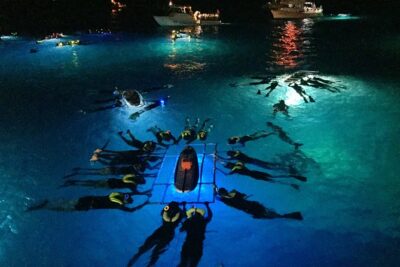
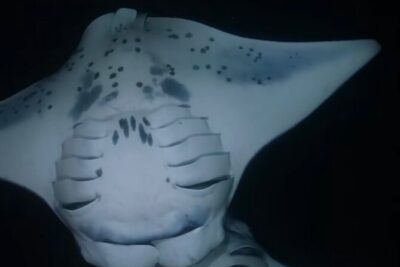
KONA Manta Ray Night Snorkel – FREE re-ride if no Sightings
Read our review →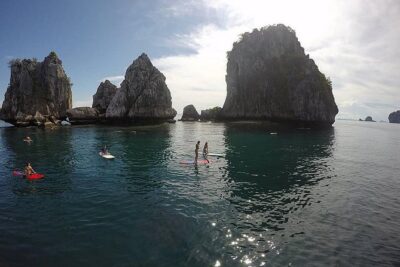
Krabi 4 Island Sunset Snorkeling Cruise + Bioluminescent Swim
Read our review →
Glow of the Deep: Night Snorkeling with Manta Rays
Read our review →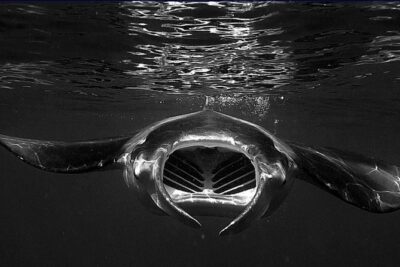
Manta Magic: Small-Group Manta Ray Night Snorkel in Kailua Kona
Read our review →
Bioluminescent Plankton, Snorkeling & Sunset Tour
Read our review →Browse the lists this tour appears in