
Review · BIG ISLAND
Big Island: South Kona Snorkeling and Coastline Exploration
The Kona coast saves its best sights for the water. Sea Quest Hawaii’s five-hour trip combines three snorkeling stops with close views of lava cliffs, sea caves, lava tubes, and hard-to-reach coastal formations. I especially like the small rigid-hulled boat, which can reach places larger vessels cannot, and the mix of ocean time with Hawaiian history and geology. I also like that lunch, snacks, drinks, gear, and flotation equipment are included.
The main drawback is the boat access. You climb a ladder to enter and leave the water, and the ride can feel lively when the sea is rough. This tour also is not suitable for children under five, pregnant women, people with back problems, or people with mobility impairments. If that fits your group, the three very different snorkeling sites make this one of the better-value water outings on the Kona coast.
Key points at a glance
- Three South Kona snorkel sites: Swim at Kealakekua Bay, Honaunau Bay, and a third location selected by the captain.
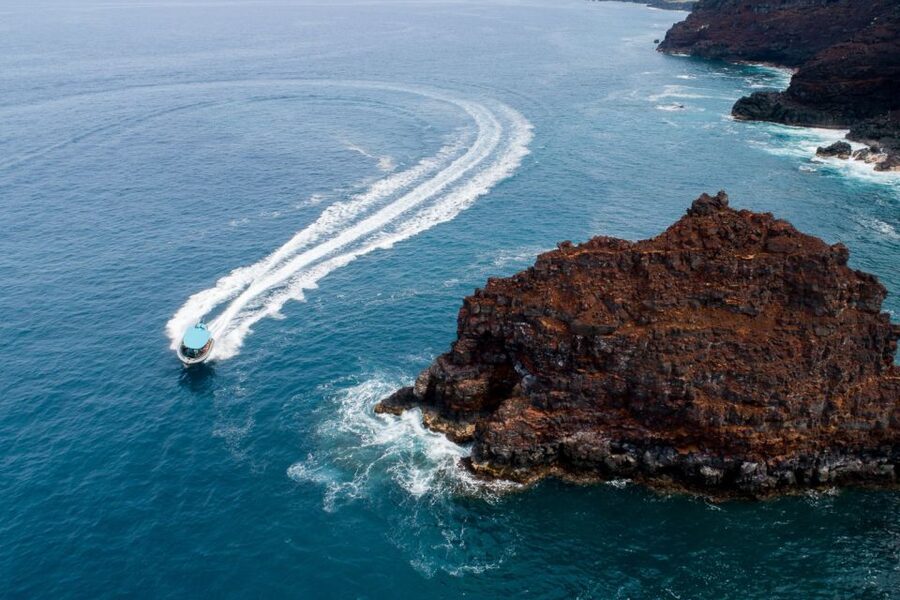
- A fast, maneuverable boat: The covered rigid-hulled inflatable vessel reaches sea caves, lava tubes, arches, and remote shoreline features.
- Lunch beside Captain Cook Monument: Take a break from the water with sandwiches, fresh fruit, snacks, water, and juice.
- Marine life in open water: Fish, sea turtles, dolphins, whales, and even an occasional small shark have been seen.
- A tour with local context: Captains and crew explain Hawaiian history, coastal geology, and marine life along the route.
- Good value at $200: The price includes five hours, equipment, food, drinks, and a small-group setting.
Why this five-hour trip works so well
Many snorkeling outings give you one main reef and a short boat ride. This one uses the whole coast as its stage. You spend time in the water, but you also see the shore from an angle that road-based sightseeing cannot provide.
The boat carries a shade canopy, which matters more than you might expect in the strong Hawaiian sun. You can cool off between swims without ending the day with a burned back and a headache. The pace also changes naturally: fast rides between sites, quiet time looking into the water, lunch in the shade, then more coastline viewing.
I like this balance because five hours can feel long if every minute is spent swimming. Here, the snorkeling is broken up by food, scenery, short talks, and close passes by rock formations. One family even found the length perfect for both children and grandparents, though age and mobility limits still apply.
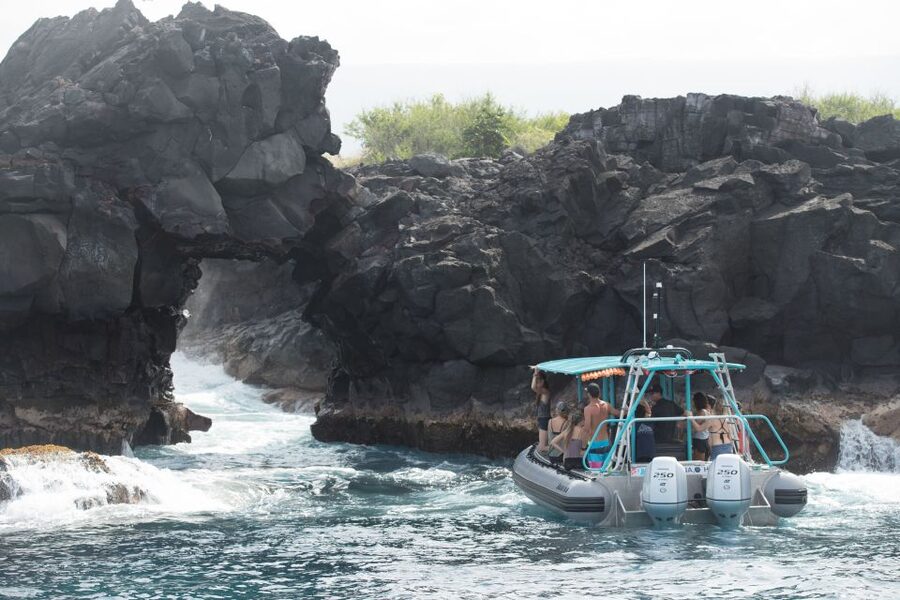
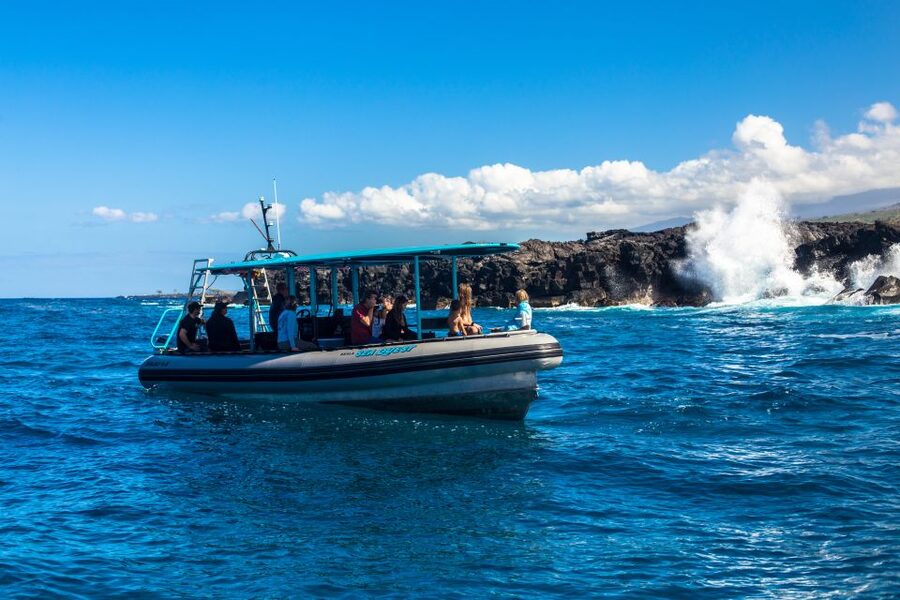
The small-boat format is another strength. A rigid-hulled inflatable vessel can move into coastal areas that would be awkward or impossible for a large catamaran. It also creates a more personal setting, with the captain and crew close enough to help with equipment, water entry, and questions.
You should still expect some motion. This is not a floating beach platform. The boat can move quickly, and boarding requires using a ladder. If you have back trouble or difficulty climbing, choose a different ocean activity.
A few more days in the water around Big Island worth a look
- Big Island Manta Ray Night Snorkel
★ 5.0 · 5,656 reviews - Big Island: Kona Manta Ray Snorkel Tour in Keauhou Harbor
★ 4.5 · 2,465 reviews - Big Island: Captain Cook Snorkel On A Power Catamaran With Lunch
★ 5.0 · 2,232 reviews
First stop: Kealakekua Bay and its protected reef
The trip begins in the turquoise water of Kealakekua Bay, a 315-acre marine sanctuary. The bay is one of South Kona’s major snorkeling areas, and the protected setting gives you a good chance to see coral, schools of tropical fish, and other sea life.
The exact wildlife is never guaranteed, but the sightings reported on this tour include sea turtles, dolphins, and a wide range of reef fish. Spinner dolphins have sometimes appeared near the boat, and guides have stopped to watch dolphins and whales when conditions allowed. You should treat those sightings as luck, not as a promise built into the ticket.
The captain and crew point out sights during the ride and explain what you are seeing in the water. That added context makes a difference. Instead of simply swimming over coral and fish, you get a better sense of how the bay fits into South Kona’s coastal and cultural story.
Kealakekua Bay can be the strongest stop for classic reef snorkeling, but conditions can change. Water clarity, surf, wind, and visibility are all part of the day’s equation. The crew may adjust the order or spend more time at another site if one area has been stirred up.
Lunch with the Captain Cook Monument in view
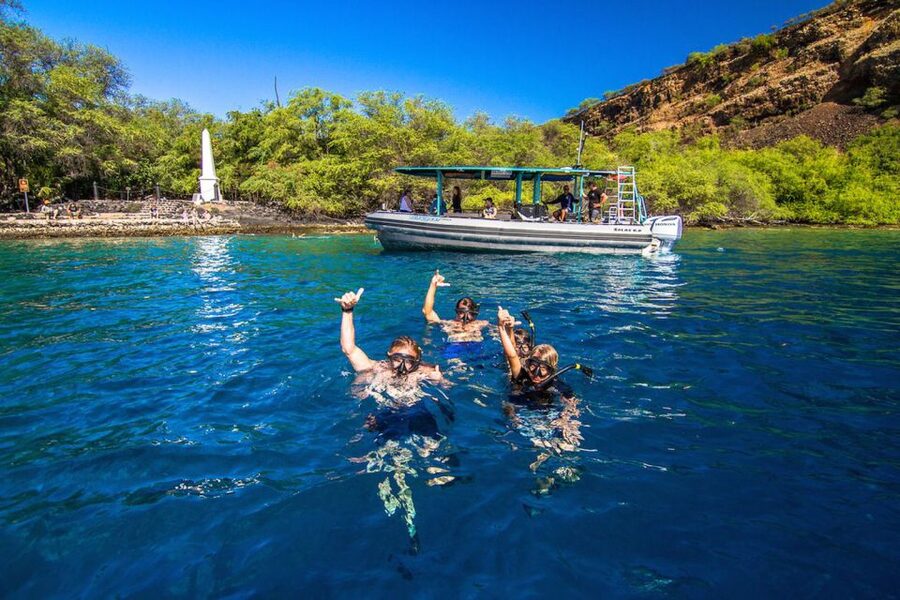
After the first snorkel, you get time to dry off and eat beneath the boat’s shade canopy. Lunch is described as a gourmet deli meal, with sandwiches, fresh fruit, snacks, water, and juice included.
Do not expect a formal restaurant meal. Think practical boat lunch, served in a beautiful setting. The sandwiches and fruit have earned strong praise, and the food gives you the energy needed for another swim without asking you to bring a cooler or buy lunch separately.
The setting adds real value. You may eat with the Captain Cook Monument as a backdrop and the high cliffs of Kealakekua Bay rising around you. That is a far better lunch view than most packaged excursions manage.
This break also gives non-swimmers a chance to enjoy the outing. If one person in your group wants a few quiet minutes in the shade, the schedule has room for that. You are not pushed straight from one water stop into the next.
Bring your own towel and sunscreen. Neither is provided, and you will want both after repeated swims. Swimwear is also essential, as there is no reason to plan this as a dry sightseeing cruise.
Second stop: Honaunau Bay and the Place of Refuge
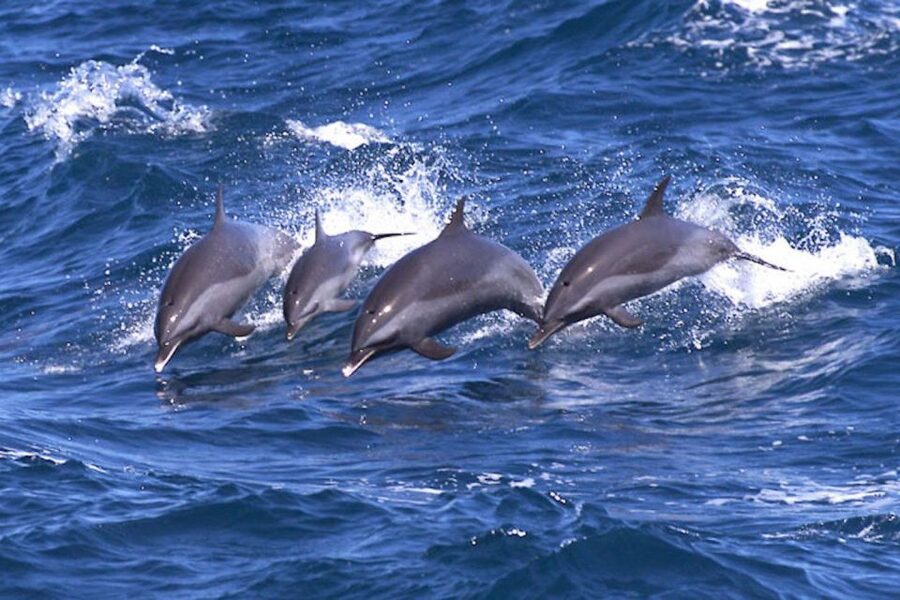
The boat then heads toward Pu’uhonua O Honaunau, known as the Place of Refuge. The area carries major cultural importance, and the captain provides background as you travel along the coast.
Honaunau Bay has a different feel from Kealakekua. Large, smooth lava-rock flats front the bay, and coral gardens spread through the water. The contrast gives you a new setting rather than a repeat of the first stop.
That variety is one of the best reasons to choose this trip over a single-location snorkel outing. Even if you have already snorkeled elsewhere on the island, the water, rock formations, and reef structure can look different from one bay to the next.
The second stop may be affected by surf. One outing had to adjust because waves stirred sediment and reduced clarity. The crew handled that by changing the plan and giving the group more time at another location. That is worth knowing before you book: the promised experience is three snorkeling areas, but the precise conditions and amount of time at each can shift.
The captain’s role matters here. Captains such as Kevin, MJ, Skyler, Brendan, Natalie, and others have been praised for combining safety checks with local stories and humor. Names and crew assignments can change, but the format remains captain-led and in English.
Same water, a different way to get in it:
- KONA Manta Ray Night Snorkel – FREE re-ride if no Sightings
★ 5.0 · 2,212 reviews - Manta Ray Night Snorkel at Kona, Big Island
★ 5.0 · 1,758 reviews - Kona Snorkel Tour: Captain Cook Reef Snorkel, Dolphin & Sea Caves
★ 4.5 · 1,411 reviews - Glow of the Deep: Night Snorkeling with Manta Rays
★ 4.5 · 1,254 reviews
Third stop: remote coast, black sand, and lava formations
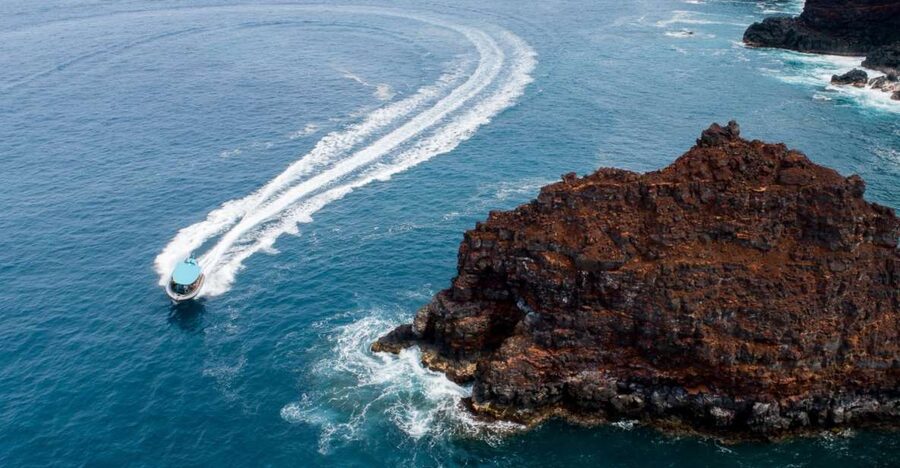
The final water stop is the least predictable and possibly the most exciting. The captain chooses a remote location that may be unfamiliar even to people who live on the island.
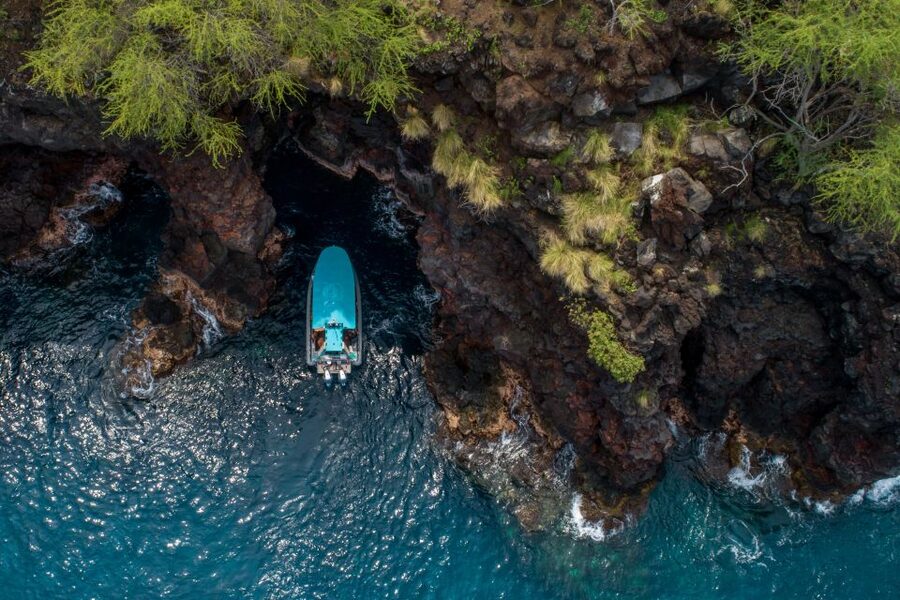
Depending on conditions, you might snorkel near a remote black sand beach, look through a stone arch, or stop beside a lava formation shaped thousands of years ago. The boat can also approach sea caves and lava tubes along the coast, giving you close views that are hard to get from land.
This is where the trip becomes more than a standard reef excursion. The captain can show you water-level details, including blow holes, openings in the rock, and coastal curves that disappear from view on the highway. You are not just heading from one marked attraction to another. Part of the pleasure comes from seeing what the crew finds safe and worthwhile that day.
The word safe is important. Sea caves and lava tubes are powerful natural features, but they are not places to explore alone. You remain on a properly operated vessel, and the captain decides how close to approach based on the water and the rock.
The remote stop may not offer the clearest snorkeling of the day. Its value can be the combination of water, geology, and access. If you prefer a predictable reef with a fixed schedule, that uncertainty may bother you. If you like a little adventure, it is a strong part of the package.
Marine life you might see
The usual appeal is reef life. Expect the possibility of tropical fish and coral, with sea turtles among the most memorable sightings. One outing also produced a view of a small shark, though that is not something you should count on.
Dolphins and whales can appear during the boat ride. Captains have stopped for spinner dolphins, bottlenose dolphins, and pilot whales when they were nearby. The boat’s open viewing position helps, but wild animals set the schedule.
The tour’s environmental approach is worth noting. Sea Quest Hawaii is part of the Hawaii Ecotourism Association and promotes efforts aimed at protecting healthy oceans. That does not remove the need for good personal habits. Follow crew instructions, avoid touching coral or animals, and keep sunscreen use sensible around the water.
The crew also helps you read the coast. A good captain can point out where lava meets the sea, explain why a cave has formed, or identify a feature visible only from the boat. This makes the journey between snorkel sites part of the experience rather than dead time.
What the boat ride is really like
The rigid-hulled inflatable boat is built for speed and close coastal access. Several people have enjoyed the quick rides between stops, especially when the boat’s two engines open up along calmer stretches.
The shade cover is a practical bonus. You can sit out of direct sun between swims, and the covered area gives you a place to eat lunch. The boat is described as clean and comfortable, but you should not confuse it with a large cruise vessel with broad staircases and roomy indoor seating.
Water entry is by ladder. That detail caused trouble for one person with limited mobility, so take it seriously. The tour excludes people with mobility impairments, back problems, and pregnant women. Children must be at least five years old.
The small-group feel is a major advantage for people who want personal help. Crew members have assisted swimmers entering slowly, fitted snorkeling gear, and kept an eye on people in the water. If you are a nervous swimmer, tell the crew early rather than trying to manage alone.
Food, equipment, and what to pack
Snorkeling gear and flotation devices are included. The equipment has been described as high quality, and crew members help make the setup easier.
You still need to bring:
- Swimsuit
- Towel
- Sunscreen
Water and juice are supplied, along with snacks and lunch. The food is straightforward and useful rather than elaborate. Fresh fruit, sandwiches, and drinks are exactly what you want after swimming in the sun.
I would wear a swimsuit under clothes that are easy to remove and replace. Since towels are not included, bring one that dries quickly. You may also want a secure way to store small personal items, though the supplied details do not specify storage arrangements.
Arrive 15 minutes before the start time for check-in at Sea Quest. That small buffer matters. A boat tour cannot wait for late arrivals without affecting everyone else’s day.
Is $200 per person a fair price?
At $200 per person, this is not a bargain-bin beach outing. It is a full five-hour trip with three snorkeling locations, a covered fast boat, crew support, lunch, snacks, drinks, equipment, and coastal sightseeing.
The value improves if you would otherwise pay separately for food, gear rental, and a boat trip. You also get access to remote shoreline features and multiple reefs rather than spending the whole outing at one site.
The price is easier to justify for visitors who want one major Kona water activity. You cover snorkeling, wildlife watching, cultural interpretation, geology, and lunch in one half-day. The small-boat format also gives you a more direct experience than a large vessel can offer.
It may not be worth $200 if you only want a short swim near shore, already own a favorite snorkeling setup, or dislike fast boat rides. Weather and water conditions can also affect visibility, so the price buys access and planning, not guaranteed dolphins or perfect water.
Who should book this South Kona adventure?
I would choose this tour for couples, families with children five and older, and active older adults who can climb a boat ladder. It suits people who want more than fish viewing and appreciate a guide who talks about Hawaiian culture, coastal geology, and marine life.
It is especially good for a group with mixed interests. Strong swimmers get three water stops, while people who need breaks get shade, lunch, and boat-based sightseeing. The crew’s calm assistance can help less confident swimmers feel more comfortable.
I would skip it if you are pregnant, have back problems, have mobility limitations, or cannot manage ladder access. I would also think twice if you need a large, stable vessel or dislike an open-water ride.
Final recommendation: book it if variety matters
I recommend the South Kona Snorkeling and Coastline Exploration tour if you want a full half-day on the water rather than a quick reef visit. The best features are the variety of locations, the small maneuverable boat, the chance to see sea caves and lava tubes, and the thoughtful mix of snorkeling with lunch and local stories.
Book it with realistic expectations. Wildlife sightings are never guaranteed, the third stop can change, and the sea may affect visibility. Bring a towel and sunscreen, arrive early, and be ready to use a ladder.
If you can handle those practical points, $200 buys a well-rounded Kona outing with plenty of water time and access to coastal places you would be unlikely to see on your own.
FAQ
How long is the South Kona snorkeling tour?
The tour lasts five hours.
How many snorkeling locations are included?
The experience includes three snorkeling locations in South Kona. The exact third location can depend on conditions and the captain’s judgment.
What marine life might I see?
You might see tropical fish, coral, sea turtles, dolphins, whales, and possibly a small shark. Wildlife sightings are not guaranteed.
Is lunch included?
Yes. Lunch, snacks, water, and juice are included. Lunch is described as a deli-style meal with sandwiches and fresh fruit.
Is snorkeling equipment provided?
Yes. Snorkeling gear and flotation devices are included.
What should I bring?
Bring swimwear, a towel, and sunscreen. Towels and sunscreen are not provided.
Who cannot take this tour?
The tour is not suitable for children under five, pregnant women, people with back problems, or people with mobility impairments. It also requires entering and leaving the boat by ladder.
Just added around Big Island
- Waikoloa Catamaran Snorkel Sail Including Lunch★ 4.5 · 105 reviews
- 2-Hour Dolphin Watching and Double Reef with Snorkel in Hawaii★ 5.0 · 23 reviews
- Ultimate Ocean Encounters Midday Snorkel★ 4.5 · 43 reviews
- Two Tank Morning Reef Dive and Snorkel★ 5.0 · 54 reviews
- Kona Luxury Catamaran Yacht Snorkel & Sail★ 5.0 · 40 reviews
- Sunset Cruise & Manta Night Snorkeling Charter★ 5.0 · 16 reviews
- Manta Ray Night Snorkel Tour in Kailua-Kona, Big Island★ 5.0 · 382 reviews
- One Tank Manta Night Dive and Snorkel★ 5.0 · 56 reviews
Big Island Snorkeling Tours, compared.
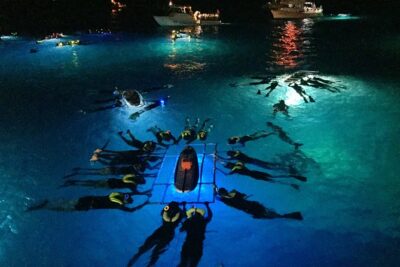
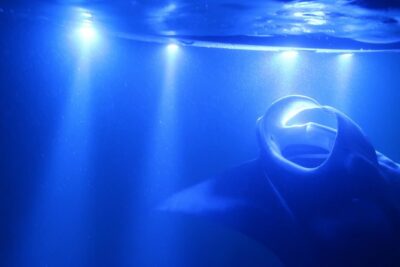
Kona Manta Ray Snorkel Tour in Keauhou Harbor
Read our review →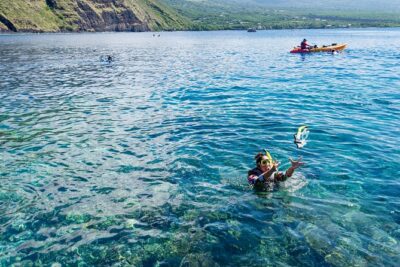
Captain Cook Snorkel On A Power Catamaran With Lunch
Read our review →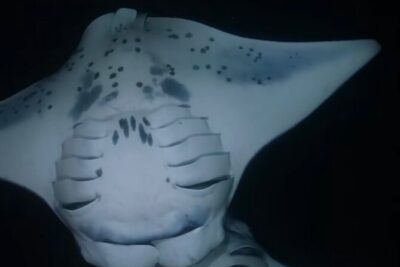
KONA Manta Ray Night Snorkel – FREE re-ride if no Sightings
Read our review →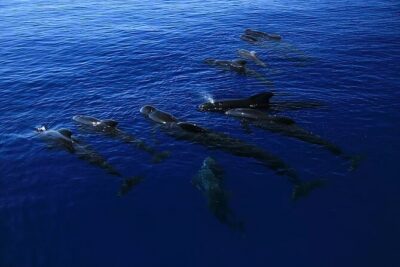
Kona Snorkel Tour: Captain Cook Reef Snorkel, Dolphin & Sea Caves
Read our review →
Glow of the Deep: Night Snorkeling with Manta Rays
Read our review →
Manta Magic: Small-Group Manta Ray Night Snorkel in Kailua Kona
Read our review →Browse the lists this tour appears in