
Review · AUSTRALIA
Kangaroo Island – Swim with Dolphins/Seals/Coastal Snorkel
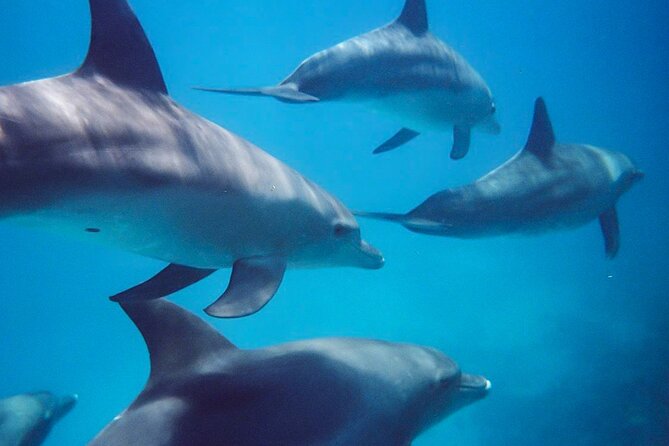
Wild animals set the schedule. This Kangaroo Island sea trip gives you a real chance to swim with wild dolphins or long-nosed seals, then snorkel along a striking stretch of coast from Penneshaw. I like the friendly, safety-minded crew and the fact that wetsuits, masks, fins, life jackets, and sunscreen are included. The catch is simple: wildlife may not appear, may not cooperate, and no refund is offered if you enter the water but see little.
At about $139.86 per person, the price is fair if you want a guided marine encounter rather than a basic boat ride. I also like the thoughtful cold-water setup, including 5 mm wetsuits, optional double suits, waterproof jackets, and hot-water showers after the swim. Still, 14 to 15 degree water is cold, and this is a better fit for confident swimmers than complete beginners.
Key things to know before you book
- Wild dolphins or long-nosed seals: The tour searches for both, but you may swim with one, both, or neither.
- Cold water is part of the deal: Wetsuits are compulsory, and children under 14 are double suited.
- A maximum of 20 people: The group is small enough for hands-on help, though the vessel itself is built for more.
- Strong swimming helps: Dolphin encounters can require you to hold a rope and move quickly through open water.
- Penneshaw start at noon: You check in at 43 Howard Drive, get fitted out, then transfer to the marina.
- Wildlife rules come first: Dolphins with young calves are watched from the boat, not approached in the water.
Starting at Howard Drive in Penneshaw
Your outing begins at the Kangaroo Island Information Stop on Howard Drive, Penneshaw, at 12:00 pm. This is where you complete the practical part first: wetsuit fitting, equipment setup, and a safety briefing.
The changing area and storage arrangements matter more than they may sound. You do not simply show up at the marina and jump aboard in street clothes. You get fitted before heading down to Christmas Cove Marina, which makes the transfer quicker and keeps the boat area less cluttered.
The supplied equipment includes a mask, snorkel, fins, wetsuit, life jacket, jacket, and sunscreen. Staff take care with the fit, which is especially important when you are dealing with cold water and an open-water current. If you tend to feel cold, ask about a second wetsuit. Children under 14 are double suited as standard.
Bring a warm jacket of your own. Waterproof jackets are available on the boat, but you will appreciate having something warm to put over the top once you leave the water. The boat can feel chilly after swimming, even when you are excited and moving around.
More Snorkeling with Dolphins in Australia
- Moreton Island: Dolphin & Tangalooma Wrecks Snorkel Cruise
★ 4.5 · 1,039 reviews - Dolphin & Tangalooma Wrecks Snorkel Cruise & Lunch – Brisbane
★ 4.5 · 327 reviews - Moreton Island: Tangalooma Snorkeling Tour & Dolphin Feeding
★ 4.4 · 216 reviews
Christmas Cove and the 28-seat safari boat
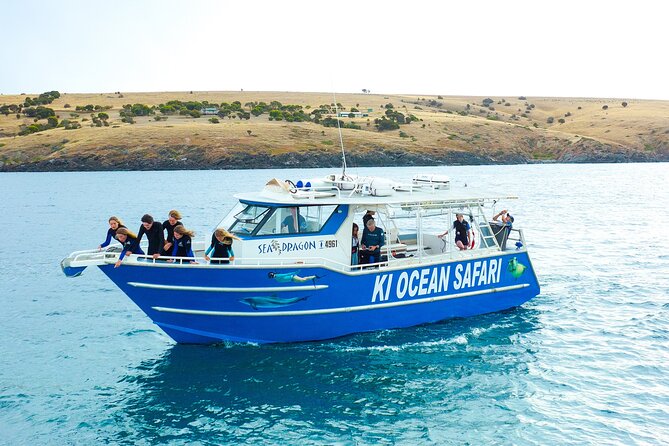
From the fitting area, you are taken to the marina and board the ocean safari vessel. The boat is described as a 28-seat craft, while the tour accepts a maximum of 20 people. That difference should work in your favor, giving the group room to move and making it easier to see the coast from the boat.
The trip lasts about two hours, so this is a compact wildlife outing rather than a full-day cruise. The crew uses that time to search the coastal waters, check likely animal locations, explain what you are seeing, and decide where conditions are safest for swimming.
The vessel is a useful viewing platform even if the animals do not come close. Dolphins may be watched from aboard, and the surrounding waters can also produce sightings of seals, sea lions, eagles, and other marine life. You are not guaranteed any of these, but the boat portion gives you something to look for while the crew searches.
The commentary is another worthwhile part of the trip. It covers local animals and conservation work, though the amount of information can vary depending on what is happening in the water. Once you are swimming, guides focus more on safety and managing the group than on giving a running nature talk.
Swimming with long-nosed seals
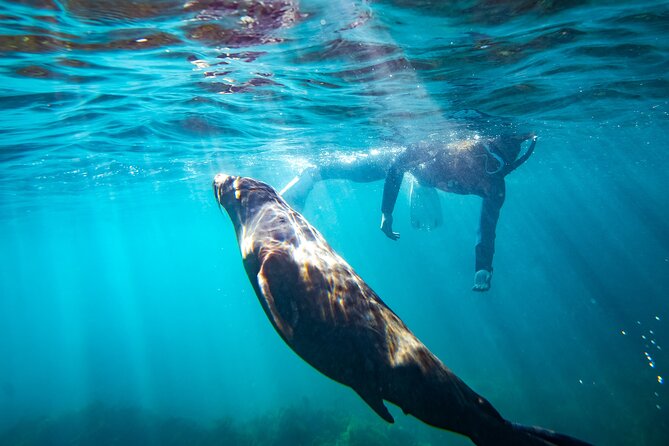
The seal swim is often the more relaxed of the two possible encounters. Long-nosed seals rest on the rocks and play in the water around the coast. When they are curious, they may come close to swimmers, circle around, and make the experience feel wonderfully personal without being staged.
This operator is described as the only one in South Australia offering the chance to swim with long-nosed seals. That makes the seal option a major reason to consider the trip, particularly if you are more interested in natural behavior than in chasing fast-moving dolphins.
Seal numbers change with the season. They tend to peak in winter and fall to their lowest from November through January. That does not mean you will miss them in summer, but it does mean the time of year can affect your odds.
The quality of the swim depends on the animals’ mood and the conditions. On a good outing, you may get playful seals close to your mask. On a poor one, you may see seals on the rocks but spend less time swimming with them. The crew cannot persuade a seal to perform, which is both the charm and the frustration of a wild encounter.
Searching for dolphins in open water
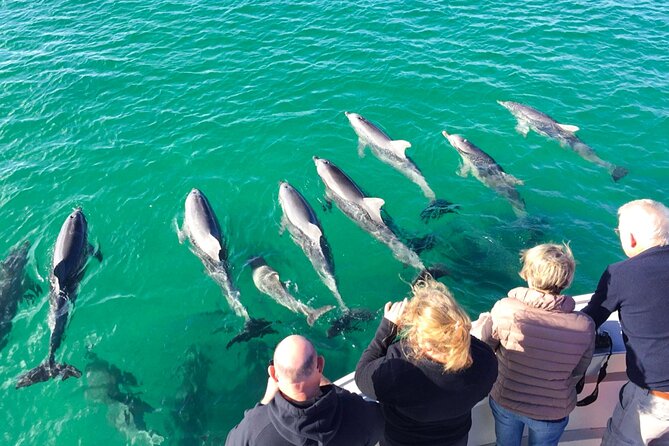
The dolphin search is more active and less predictable. Pods live and move through the coastal waters, and the crew may need to travel between several areas before locating them.
If dolphins are nearby and willing, you may enter the water and swim alongside them. This is not a slow, aquarium-style interaction. Dolphins can move quickly, change direction, and disappear from view. You need decent fitness, comfort in open water, and enough confidence to keep track of the group.
A rope is used during the dolphin swim, and you need enough arm strength to hold on while the crew positions you. This detail is easy to overlook when looking at glossy images, but it matters. Strong swimmers are likely to get more from this part of the trip than novice snorkelers.
Not everyone in the group will necessarily see the dolphins from the water. You may watch the pod from the boat, then have the chance to swim if conditions and animal behavior allow. Dolphins that are feeding or moving fast may be visible but unsuitable for a swim.
There is also an important conservation rule. If a pod has neonates, or baby dolphins, the swim will not go ahead. You can still observe them from the boat, but the animals’ welfare takes priority. That is the correct policy, even if it changes the experience you hoped to buy.
Same water, a different way to get in it:
- Ocean Rafting: Whitehaven Beach, Snorkelling & Hill Inlet Lookout
★ 5.0 · 4,777 reviews - Great Barrier Reef Snorkeling and Diving Cruise from Cairns
★ 4.5 · 3,714 reviews - Whitehaven Beach and Hill Inlet Lookout Snorkeling Cruise
★ 5.0 · 2,953 reviews - Airlie Beach: Snorkel, Hill Inlet Lookout & Whitehaven Beach
★ 4.8 · 2,119 reviews
Coastal snorkeling when the animals keep their distance
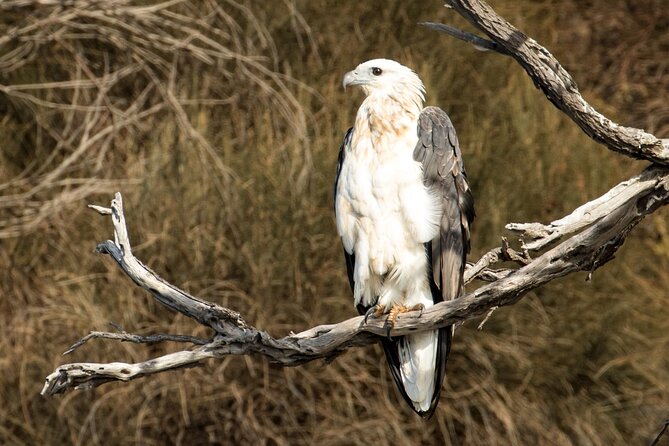
The title promises dolphins, seals, and coastal snorkeling, but the snorkeling can be the main activity on some departures. If the animals are not in the usual locations, the crew may select a coastal area where you can get into the water and look around among the rocks and local marine life.
This can be rewarding, but keep your expectations sensible. It is not a dedicated reef-snorkeling trip with a guaranteed long session underwater. Time in the water can be shortened by current, cold, animal movements, or the need to continue searching.
One account described only about 20 minutes in the water, while other outings provided plenty of time with seals and dolphins. That variation is the central issue with this tour. The crew may offer another swim or continue looking for dolphins, and the group’s choice can affect how much time you spend snorkeling.
A short refresher on snorkeling technique would help complete beginners. The crew is attentive and willing to assist, but you should already be comfortable swimming. The ocean is not a swimming pool, and even experienced swimmers can find the current tiring.
How cold is 14 to 15 degree water?
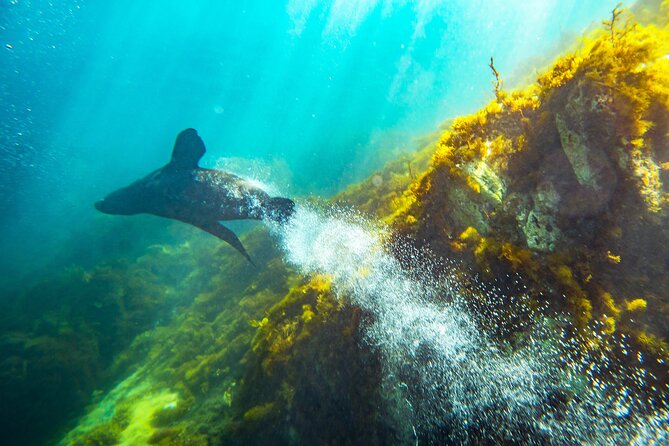
The water temperature is listed as 14 to 15 degrees Celsius. That is genuinely cold for most people, especially once you stop moving or climb back onto the boat.
The supplied 5 mm wetsuits do a good job of making the swim manageable, and some people find the water less intimidating once suited up. Double wetsuits are available, and children under 14 receive them automatically. Ask for extra insulation if you are prone to feeling cold rather than trying to tough it out.
You may still feel chilled after leaving the water. Warm jackets on board and hot-water showers afterward are welcome touches. Bring your own warm jacket too, as the provided outer layers may not be enough for everyone.
Cold is not only a comfort issue. It can affect your swimming strength and concentration. If you already know that cool water limits your time in the sea, you may enjoy the boat viewing more than the swim. Pregnant participants can ride on the vessel but cannot enter the water.
Staff, safety, and the practical side
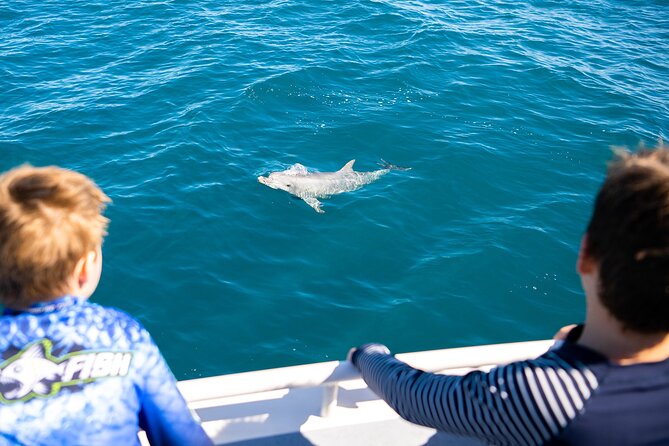
The crew receives especially strong praise for being friendly, organized, and careful with equipment. They help fit the wetsuits, check that you have the right gear, and assist people in the water. Guides also stay attentive when someone wants to return to the boat while others continue swimming.
The safety briefing is important, not just a formality. You need to understand how the swim works, how to use the equipment, and how to stay with the group. The boat has a step for getting on and off, and moving between the water and vessel takes some physical effort.
Most people can participate, but you should have a reasonable level of swimming ability. The activity is not recommended for anyone with a pacemaker. It is also not suitable for pregnant people in the water.
A pacemaker restriction is worth taking seriously because the operator has specifically identified it. If you have a medical concern not covered here, check before booking rather than assuming the crew can make an exception.
Is $139.86 good value?
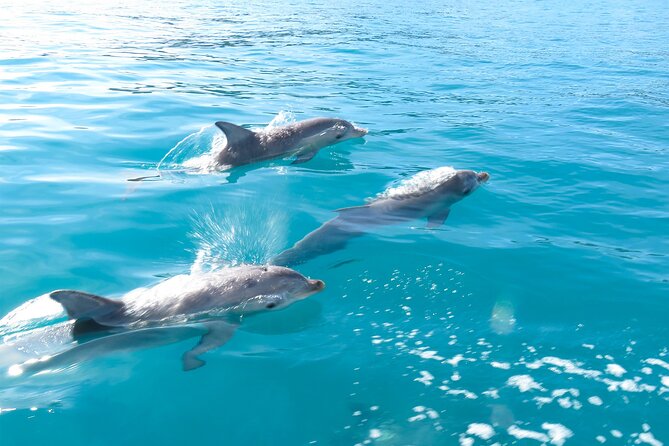
At $139.86, this is not a cheap way to spend two hours. But you are paying for more than a boat trip. The price includes the vessel, crew, wildlife search, wetsuit, snorkeling equipment, life jacket, sunscreen, safety support, and commentary.
The value is strongest when you swim with seals or dolphins and spend a good amount of time in the water. A close seal encounter can make the cost feel reasonable very quickly. A dolphin swim, if it happens, is the kind of experience many people remember long after leaving Kangaroo Island.
The value is weaker when weather limits access to the usual sites or when animals stay away. You could spend much of the tour searching, see dolphins only from the boat, or get a short snorkeling session. That is not necessarily poor operation, but it is a risk you accept with any wild-animal tour.
The operator has sometimes reduced the charge to a viewing price after particularly difficult outings. You should not count on that, however. The stated policy says there is no refund if you enter the water for coastal snorkeling, a seal swim, or a dolphin swim and the animals do not interact.
Who should book this Kangaroo Island tour?
I would recommend it to confident swimmers who can handle cold water, changing conditions, and a little uncertainty. It is especially appealing if you want to see wildlife behaving naturally and are happy to watch from the boat when swimming is not appropriate.
Families can enjoy it, but children are recommended to be over nine for the swimming activity. Parents should be ready for a physical outing, not a passive sightseeing cruise. Even capable children may need help climbing back aboard or may decide they have had enough time in the water.
Novice snorkelers can participate, but you should not assume a long tutorial. If you have almost no snorkeling experience, practice beforehand and be honest about your ability at the safety briefing.
This is not the right pick if your main goal is a guaranteed dolphin swim, warm water, or a long, calm snorkeling session. It is also a poor match if you dislike being cold or do not want to accept the possibility of seeing wildlife without entering the water.
Booking, meeting point, and cancellation details
The tour starts at 12:00 pm at 43 Howard Drive, Penneshaw, South Australia 5222, and ends back at the same meeting point. Food is not included, so eat beforehand or plan around the midday departure.
You receive confirmation when booking, and mobile tickets are accepted. Free cancellation is available up to 24 hours before the local start time. Cancellations or changes made inside that window are not refunded or accepted.
The activity depends on suitable weather. If the operator cancels because of poor conditions, you can choose another date or receive a full refund.
FAQ
Where does the tour start?
It starts at the Kangaroo Island Information Stop, 43 Howard Drive, Penneshaw, South Australia 5222.
What time does the tour begin?
The stated start time is 12:00 pm.
How long does the experience last?
The tour lasts approximately two hours.
Does the tour guarantee a dolphin swim?
No. The tour searches for dolphins, but wildlife interactions are not guaranteed. Dolphins may be seen from the boat without being suitable for a swim.
Can I swim with seals instead of dolphins?
Yes. The outing may include a swim with long-nosed seals, a dolphin swim, coastal snorkeling, or wildlife viewing from the boat, depending on the day.
What equipment is included?
Wetsuits, masks, snorkels, fins, life jackets, jackets, sunscreen, and snorkeling equipment are included.
How cold is the water?
The water temperature is usually between 14 and 15 degrees Celsius. Wetsuits are compulsory, and double wetsuits are available for people who feel cold.
Can children join the swimming activity?
Children are recommended to be over nine years old for the swimming activity. Children under 14 are double wet suited.
Can pregnant people take the tour?
Pregnant people may ride on the vessel but cannot enter the water.
What happens if the weather is poor?
If the tour is canceled because of poor weather, you are offered another date or a full refund.
Should I book Kangaroo Island Ocean Safari?
Book it if you want a genuine, unpredictable wildlife outing and are comfortable in cold ocean water. The crew, equipment, and chance to swim with long-nosed seals are the strongest reasons to go.
Skip it if you need guaranteed animal contact, warm water, or a fixed snorkeling itinerary. The best mindset is to pay for a well-run search and the chance of an extraordinary encounter, not a promise that dolphins will pose for you.
Just added around Australia
- 2-Day Snorkelling Experience – Great Barrier Reef Twin Share★ 4.5 · 38 reviews
- Ocean Spirit Sail to Michaelmas Cay Snorkel or Dive, from Cairns★ 4.5 · 170 reviews
- Private Helicopter Tour: Reef Island Snorkeling and Gourmet Picnic Lunch★ 4.5 · 22 reviews
- Snorkelling and Glass Bottom Boat at Green Island from Cairns★ 4.0 · 386 reviews
- Snorkelling or Glass Bottom Boat at Green Island from Cairns★ 4.0 · 282 reviews
- Half Day Great Barrier Reef Snorkeling Tour★ 5.0 · 219 reviews
- Full-Day Great Barrier Reef Pontoon with Snorkeling & Activities★ 4.5 · 132 reviews
- Great Barrier Reef Small Group Snorkelling Adventure★ 5.0 · 15 reviews
Snorkeling with Dolphins, compared.
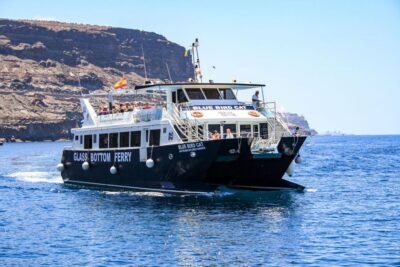
Catamaran Dolphin Watch Cruise with Snorkeling
Read our review →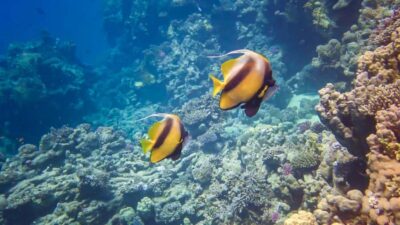
3 Islands, Dolphins & Snorkel Yacht Trip w/ Lunch
Read our review →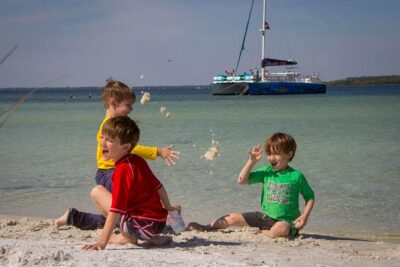
Shell Island Snorkel and Dolphin Catamaran Cruise with Island Time
Read our review →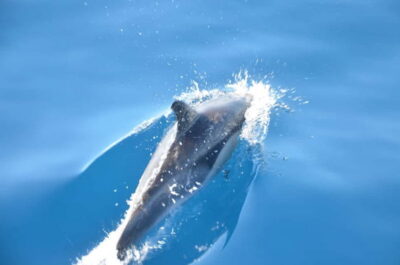
From Morro Jable: Dolphin and Whale Watching and Snorkelling
Read our review →
Dolphin Catamaran Snorkel and Sail with Open Bar
Read our review →
Speedboat Dolphin Watching & Snorkeling with Lunch
Read our review →
Guided Dolphin Watching & Sunrise Boat Snorkel
Read our review →
Dolphin Watching Boat Tour with Snorkeling & Lunch
Read our review →Browse the lists this tour appears in