
Review · BIG ISLAND
Snorkel with Manta Rays Guaranteed
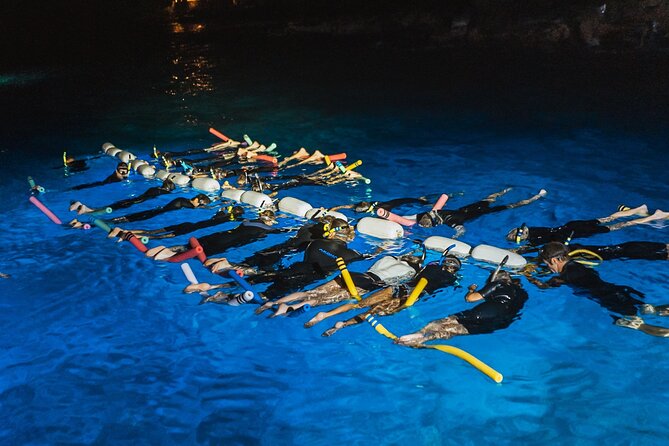
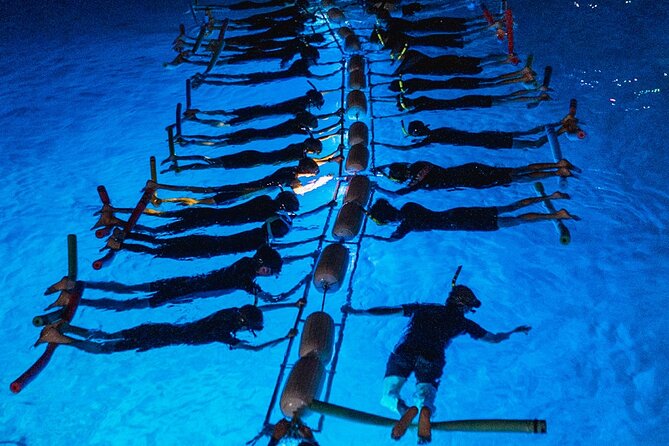
Mantas glide within inches of your face. Sea Paradise’s evening snorkel from Keauhou Bay combines a sunset ride aboard the trimaran Hokulani with an unusually close look at manta rays feeding under bright lights. I like the short boat ride to Manta Ray Village and the thoughtful floating light platform, which lets you watch without kicking fins near the animals. The main drawback is that you hold the float for much of the 45-minute water session, and rough seas can tire your shoulders or upset your stomach.
I also like the crew’s calm approach with first-time night snorkelers, children, and nervous swimmers. You get wetsuits, masks, snorkels, drinks, and safety instruction included in the $141.57 price. Just understand what this is: you will float at the surface and hold a light bar while manta rays feed below, rather than freely swimming around the bay.
Key points to know before you book
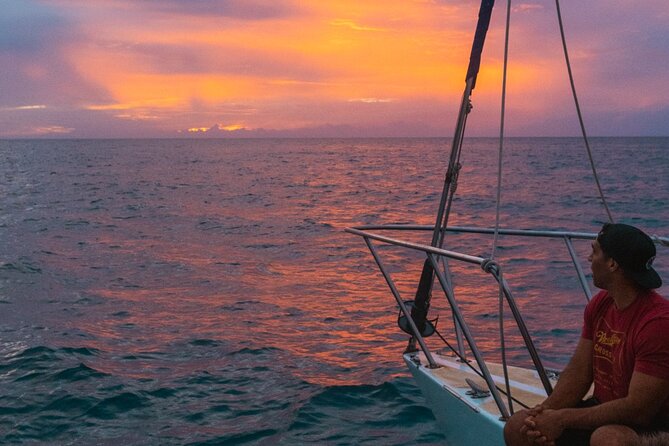
- Hokulani’s sunset cruise gives the outing a scenic start, with drinks and snacks available aboard the trimaran.
- The boat ride is short, a useful benefit if you are prone to seasickness.
- Manta viewing lasts about 45 minutes, within a total outing of roughly 90 minutes.
- The floating light device attracts plankton, which in turn brings manta rays close to the surface.
- Fins are not used, helping keep feet away from the rays and making the setup simpler.
- Water conditions matter, since waves can make holding the platform tiring even when the crew is attentive.
Why this Kona night snorkel feels so different
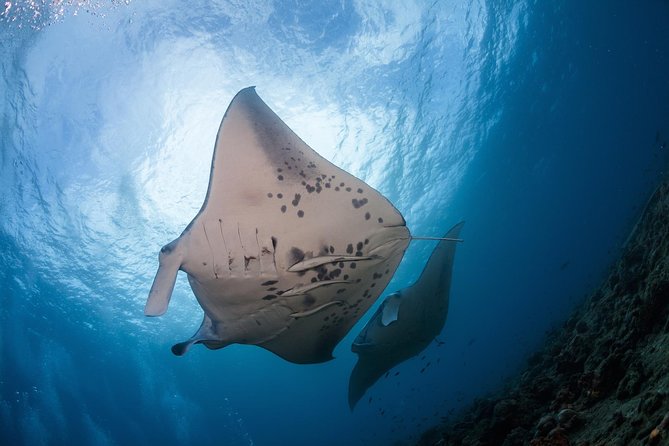
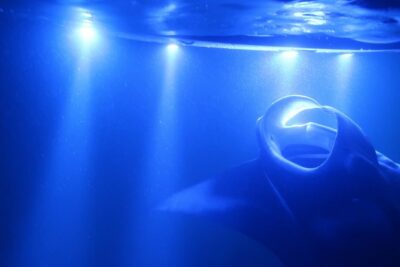
Manta rays gather near the Kona coast after dark to feed on microscopic plankton. The tour’s lights draw plankton toward the surface, and the rays follow their food. You are positioned above the action, looking down as the animals sweep, roll, and turn through the illuminated water.
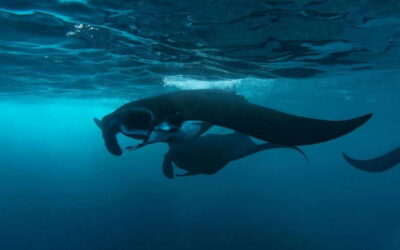
The effect can be startling. A manta may pass within inches of your face, close enough for you to see its broad mouth and graceful wings in detail. Several rays may circle the light at once, and some perform slow barrel rolls as they feed.
I like that the encounter does not depend on you being a strong swimmer. You hold the edge of the manta flotation device while your body stays supported at the surface. That makes the experience possible for many first-time snorkelers, though it does not make it effortless. Your arms and shoulders still do plenty of work if you grip the bar tightly.
You are also asked not to touch the manta rays. This protects the animals and keeps the encounter respectful. The lack of fins is another sensible choice, since large fins moving below the platform could strike a ray or another person.
More Whale Shark and Manta Ray Snorkeling in Big Island:
- Big Island Manta Ray Night Snorkel
★ 5.0 · 5,656 reviews - Big Island: Kona Manta Ray Snorkel Tour in Keauhou Harbor
★ 4.5 · 2,465 reviews - KONA Manta Ray Night Snorkel – FREE re-ride if no Sightings
★ 5.0 · 2,212 reviews
From Keauhou Bay to the Hokulani
The tour begins at Keauhou Bay, in the Kahaluu-Keauhou area of the Big Island. Several ocean activities may use the same general waterfront, so pay close attention to the meeting instructions. The pickup point is around the building on the right, rather than directly at the boat ramp.
Once aboard, you settle into the trimaran Hokulani. The boat is described as clean, spacious, and fitted with steps that make getting into and out of the water easier. A bathroom is also available, a small but welcome feature on an evening outing.
The sunset ride is part of the pleasure, not just transport. You get time to look toward the coast as daylight fades, while drinks and snacks are offered onboard. Filtered water, soda, and assorted juices are included, and ginger ale and chews may be available for anyone feeling queasy.
The run to the viewing area is short. Several people specifically valued not having to travel far in the dark, especially those who are prone to seasickness. That said, a short ride does not remove the risk completely. One person felt sick after returning from the water because the boat was moving in rough conditions.
The briefing and the first step into dark water
At Manta Ray Village, the crew explains how the equipment works and what to expect in the water. This briefing covers safety, the floating light setup, and the central rule: do not touch the manta rays.
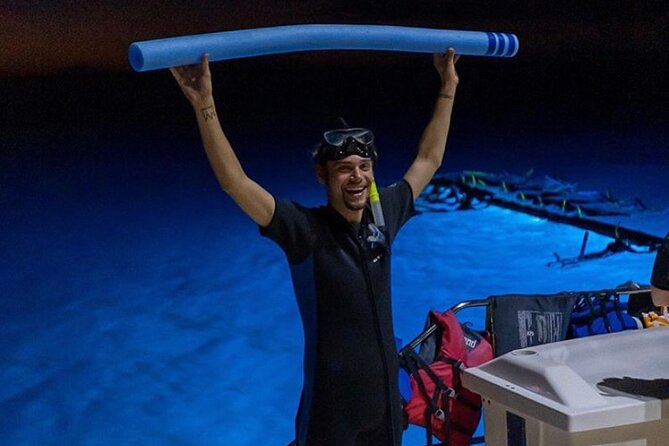
Night snorkeling can feel strange at first, even if you are comfortable in the ocean during daylight. The crew helps people enter the water and guides them toward the flotation device. Several people who had never snorkeled at night felt reassured by the in-water support.
The water is not always calm. In one family outing, the summer sea was described as rougher than normal, though still less demanding than some winter conditions. Waves can push the platforms together and lift them up and down. You may need to adjust your grip and stay aware of the people beside you.
The group size can reach 49 people, so this is not a quiet private encounter. The light platform gathers many participants around one viewing area, and the scene can feel crowded. If you prefer solitude, this may feel more like a shared waterfront attraction than a private wildlife outing.
Still, the setup gives the crew a clear way to monitor everyone. Staff remain in the water and help people who need assistance. That is especially useful for children and anyone nervous about entering the ocean after sunset.
Holding the light while manta rays feed
The central viewing session lasts approximately 45 minutes. You hold onto the illuminated float while the lights attract plankton. Manta rays then move beneath and around the platform, often passing close to faces at the surface.
You do not need fins for this activity. Your task is mainly to stay at the float, keep your face in the water when you want to watch, and follow the crew’s instructions. That makes the physical demands different from a normal reef snorkel. You are not swimming from one site to another, but holding the platform can still strain your shoulders.
A useful tip is to grip the float gently rather than clenching it. A tight hold can leave your arms and shoulders sore, particularly when waves move the platform. If you have shoulder problems, take that seriously before booking.
The rays may arrive within minutes, or the action may take longer to build. The number of animals varies. Some nights produce one to three rays, while other outings have brought seven, eight, ten, or even more into the lighted area. No exact number can be promised, but the encounter itself is the focus, not a tally.
The rays can seem almost impossibly close. You might see one glide beneath the bar, turn on its side, and sweep upward toward the surface. This is a beautiful form of wildlife viewing, but it can also be intense. If a large animal suddenly approaches your face, you need to remain calm and avoid reaching out.
A few more days in the water around Big Island worth a look
- Big Island: Captain Cook Snorkel On A Power Catamaran With Lunch
★ 5.0 · 2,232 reviews - Manta Ray Night Snorkel at Kona, Big Island
★ 5.0 · 1,758 reviews - Kona Snorkel Tour: Captain Cook Reef Snorkel, Dolphin & Sea Caves
★ 4.5 · 1,411 reviews - Glow of the Deep: Night Snorkeling with Manta Rays
★ 4.5 · 1,254 reviews
What makes Sea Paradise’s crew useful
The strongest part of this outing is the crew’s attention to safety and comfort. Staff provide the briefing, help people into the water, guide them onto the float, and remain available throughout the viewing period.
That support matters when conditions are choppy. In one rough-water outing, assistance was provided quickly when a swimmer lost contact with a noodle and another person crowded the same space. Clear instructions become especially important when the group is moving with the waves.
The crew also helps first-time snorkelers settle down. People who were uneasy about night water received direct assistance at the entry point and around the flotation device. Children as young as eight and nine have managed the activity, though one family found a nine-year-old to be the youngest person aboard.
I would not treat the age examples as a guarantee for every child. Your child must be comfortable following directions, wearing a mask, and holding the float in moving water. The tour requires a moderate fitness level, and the physical demands can rise when the sea is rough.
Water temperature, equipment, and comfort
Wetsuits, masks, and snorkels are provided. The water can feel chilly, so the wetsuit is more than a minor extra. Fins are not needed, which keeps the equipment list simple and reduces the chance of accidental contact with a manta ray.
Full-face masks are not allowed because of safety concerns. If you normally use one, plan to use the supplied traditional mask and snorkel instead.
Equipment sizes appear to cover a wide range of bodies. One person specifically appreciated being offered a larger wetsuit without embarrassment. That kind of practical attention can make a big difference when you are preparing for an unfamiliar activity.
The Hokulani also has steps for water access and a bathroom onboard. These features help make the outing easier for families and for anyone who finds climbing a ladder difficult. They do not remove all physical demands, since you still need to enter the ocean, hold the platform, and return to the boat.
Is $141.57 a fair price?
At $141.57 per person, this is not a cheap evening activity. The value depends on what you want from your Kona visit.
You are paying for a sunset trimaran ride, crew support, wetsuit and snorkel equipment, a short transfer to the viewing site, roughly 45 minutes in the water, and drinks. You are also paying for access to a carefully managed wildlife encounter that would be difficult to arrange on your own after dark.
The price feels more reasonable if you consider the crew’s role. This is not simply a boat ride where you are dropped into the ocean. Staff explain the process, help nervous swimmers, monitor the group, and set rules that protect both people and manta rays.
The cost feels less attractive if you expect a private tour, free swimming, or a long scenic cruise. With up to 49 people, the platform can feel busy. The total outing is only about 90 minutes, and nearly half of that may be spent in the water holding onto the float.
I see this as a good use of vacation money if manta rays are high on your Big Island list. If you are undecided and dislike crowds or ocean motion, the price may feel steep for an experience that can be physically tiring.
Choosing your time and managing seasickness
The schedule includes evening departures, and later trips can have a special advantage. Once other boats leave the area, your group may have the lighted site largely to itself. That can reduce visual clutter and make the manta activity feel more focused.
You should not treat a later time as a promise of better wildlife viewing. Manta numbers change from night to night. Still, a late outing may offer a calmer atmosphere if fewer boats remain nearby.
If you get seasick, plan ahead. The short ride to Manta Ray Village is helpful, but the boat can still move while you are waiting, returning, or sitting after the water session. Ginger ale and chews may be offered, but do not rely on those alone if seasickness is a serious concern.
The boat ride, water entry, and floating session all have different physical demands. Give yourself enough time to listen to instructions, adjust your wetsuit, and ask for help. The crew is there to assist, but you should be honest about your comfort level.
Who should book this experience?
I would recommend it to couples, families with capable older children, and first-time night snorkelers who want a close wildlife encounter without needing advanced swimming skills. It also suits anyone who values strong crew support and a short ride to the site.
You should be comfortable with several things:
- Entering the ocean after sunset
- Wearing a standard mask and snorkel
- Holding a flotation device for about 45 minutes
- Staying close to other people
- Accepting that the sea may be choppy
- Seeing manta rays approach very closely
This is not ideal if you have shoulder problems, severe seasickness, or a strong dislike of crowded water activities. It may also disappoint you if you imagine swimming freely beside the rays. The format is controlled and respectful, with everyone gathered around the illuminated float.
The encounter is best understood as observing manta rays from a floating viewing station. Once you accept that, the design makes sense. You stay in one place, the light attracts the food, and the animals choose how close to come.
Booking, cancellation, and practical details
The activity is offered in English and uses a mobile ticket. Confirmation is sent within 48 hours of booking, subject to availability. It requires a minimum number of participants, and poor weather can lead to a cancellation.
You can cancel for a full refund up to 24 hours before the start time. Changes or cancellations inside that window are not accepted for a refund. If weather or minimum numbers cancel the outing, you are offered another date or experience, or a full refund.
Gratuities are not included. A tip is appreciated if the crew gives you the kind of careful help that makes the night comfortable.
Book ahead if this is important to your Big Island plans. The experience is often reserved about 38 days in advance, which suggests that popular dates can fill well before your arrival.
Should you book the Sea Paradise manta snorkel?
Book it if you want one of the Big Island’s most unusual nighttime wildlife encounters and you are comfortable sharing the water with a sizeable group. The close views can be remarkable, the short ride helps limit seasickness, and the crew puts real effort into helping first-time snorkelers feel secure.
Skip it if you want solitude, free swimming, or a fully calm sea. Also think twice if gripping a float for 45 minutes would cause pain.
For most people who can handle those limits, I consider the $141.57 worthwhile. The manta rays are wild animals, so no number is guaranteed, but the chance to watch them roll beneath a lighted platform, sometimes within inches of your face, is a strong reason to make room for this outing.
FAQ
Where does the manta ray snorkel begin?
The tour begins at Keauhou Bay in Kahaluu-Keauhou, Hawaii. It ends back at the same meeting point.
How long does the experience last?
The full activity lasts approximately 1 hour and 30 minutes. The water portion lasts about 45 minutes.
How close can the manta rays get?
The manta rays may approach within inches of your face. You must not touch them.
Do I need to know how to swim well?
A moderate physical fitness level is recommended. The tour uses a flotation device, so you do not need to swim continuously, but you must enter the water and hold onto the platform.
Are wetsuits and snorkel gear included?
Yes. Wetsuits, masks, and snorkels are provided. Fins are not needed.
Can I wear a full-face snorkel mask?
No. Full-face masks are not allowed because of safety concerns.
What is included to drink?
Filtered water, soda, and assorted juices are included. Drinks and snacks are also offered onboard during the sunset cruise.
How many people can join the tour?
The maximum group size is 49 people.
What happens if weather cancels the tour?
If poor weather cancels the experience, you are offered a different date or experience, or a full refund.
Just added around Big Island
- Waikoloa Catamaran Snorkel Sail Including Lunch★ 4.5 · 105 reviews
- 2-Hour Dolphin Watching and Double Reef with Snorkel in Hawaii★ 5.0 · 23 reviews
- Ultimate Ocean Encounters Midday Snorkel★ 4.5 · 43 reviews
- Two Tank Morning Reef Dive and Snorkel★ 5.0 · 54 reviews
- Kona Luxury Catamaran Yacht Snorkel & Sail★ 5.0 · 40 reviews
- Sunset Cruise & Manta Night Snorkeling Charter★ 5.0 · 16 reviews
- Manta Ray Night Snorkel Tour in Kailua-Kona, Big Island★ 5.0 · 382 reviews
- Private Big Island Snorkeling★ 4.5 · 30 reviews
Whale Shark and Manta Ray Snorkeling, compared.
️Nusa Penida by Private Boat – Snorkeling 4 spots, Swim with Mantas + Land Tour
Read our review →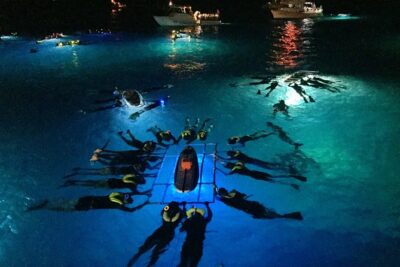
Kona Manta Ray Snorkel Tour in Keauhou Harbor
Read our review →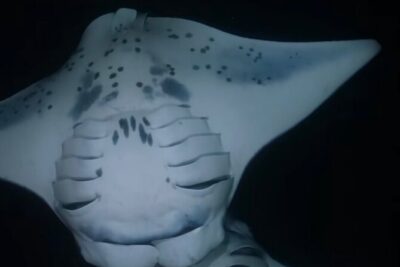
KONA Manta Ray Night Snorkel – FREE re-ride if no Sightings
Read our review →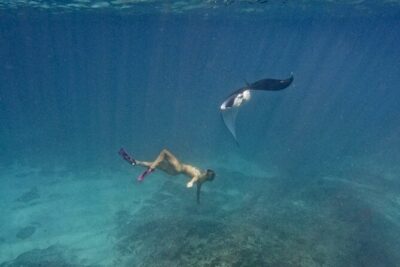
Nusa Penida day trip: boat, 4 snorkeling, Manta rays & Land tour
Read our review →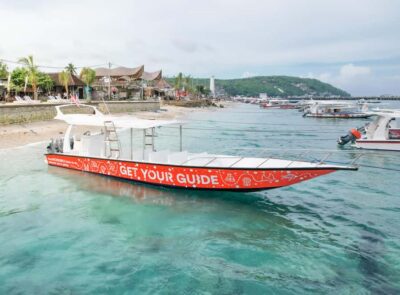
Bali/Nusa Penida: Manta Point Snorkeling & West Coast Tour
Read our review →
Glow of the Deep: Night Snorkeling with Manta Rays
Read our review →Browse the lists this tour appears in