
Review · JAPAN
Okinawa:Naha:Kerama Island Experience 1Dive and Snorkeling
The sea floor appears before you. This Kerama Islands day trip pairs one introductory scuba session with snorkeling at three sites, giving you more than a quick taste of Okinawa’s famous clear water. I like the careful, step-by-step instruction and the kind staff, especially the calm support offered to nervous swimmers. The drawback is that the best parts depend on weather and sea conditions, and the schedule can feel full if you want a slow, quiet day.
The $100 price is strong value because it includes equipment, towels, insurance, boat fees, hot water showers, and a small set of underwater photos. I also like the seasonal extras: whale watching from January 12 through March and shaved ice in August and September. Lunch, a GoPro, and landing on an island cost extra.
Key points at a glance
- Three Kerama sea sites in one day: You may snorkel at two locations, complete your introductory scuba session, and use a third site for more swimming or another underwater activity if conditions allow.
- Patient instruction for first-timers: The safety talk comes in three stages, on land, after equipment setup, and in the water.
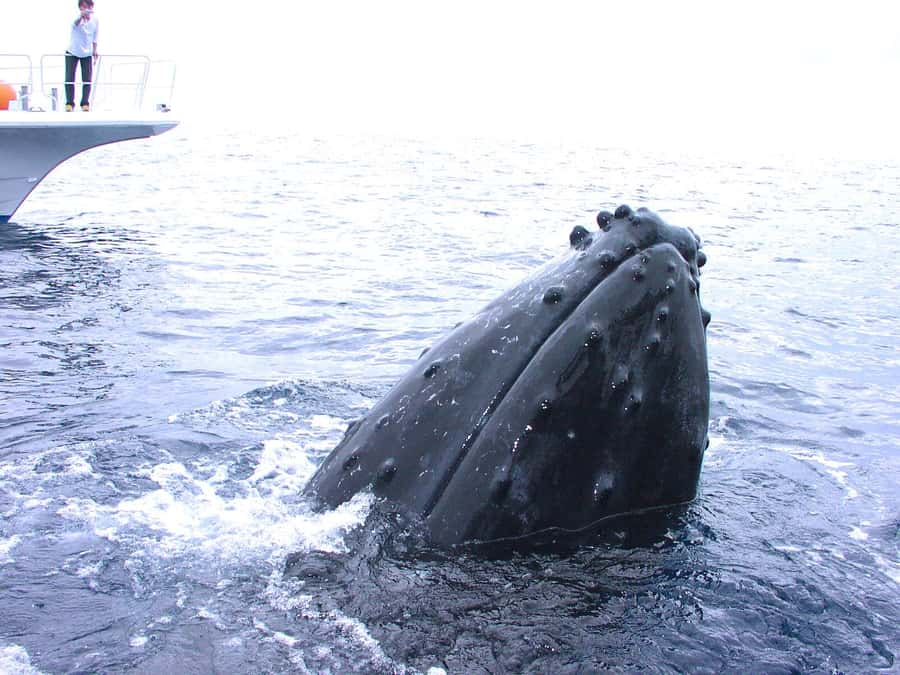
- Whales in winter: From January 12 through March, the boat also searches for whales, though sightings are never guaranteed.
- Helpful extras included: Motion sickness medicine, towels, equipment, insurance, tea, showers, and a toilet are provided.
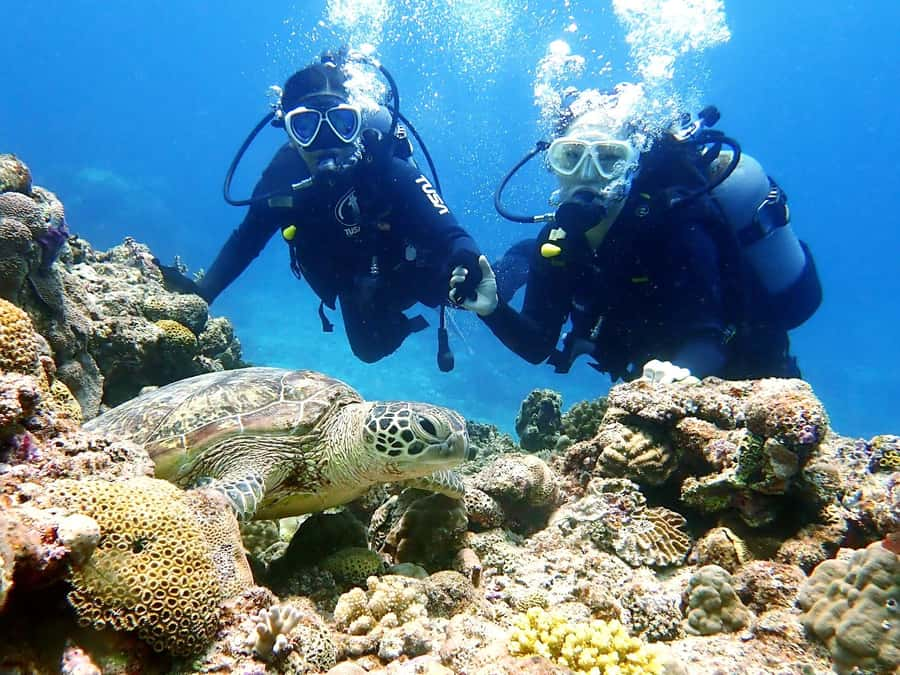
- Free underwater memories: Around three underwater photos are included, a useful touch when you do not own an action camera.
- Small-group care: Guides have helped nervous swimmers, older family members, and people worried about equalizing underwater.
Why the Kerama Islands make a good first underwater outing
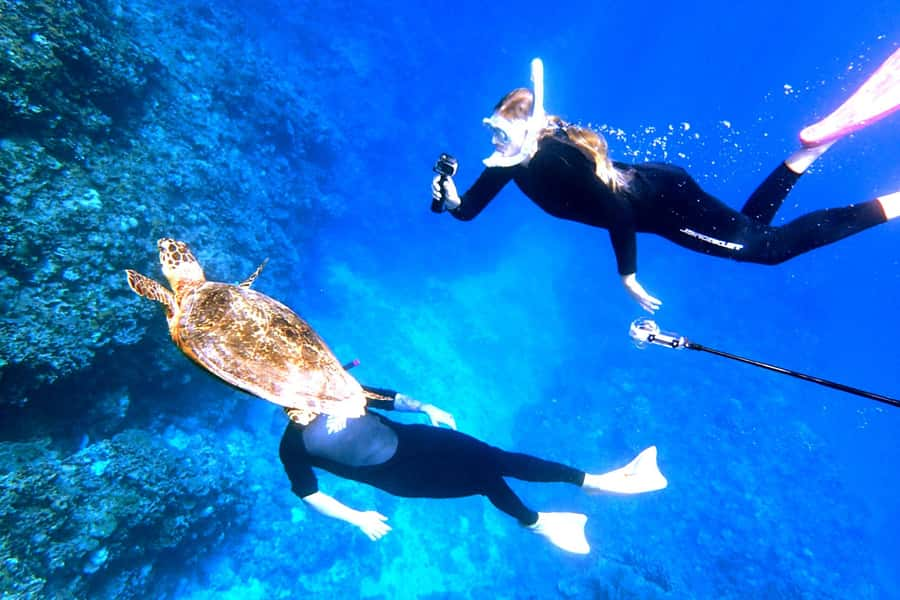
The Kerama Islands are known for clear water, coral formations, and abundant fish. The appeal here is not simply reaching one pretty snorkeling site. The boat moves between three locations, so you get several chances to find water that suits the day’s conditions and your comfort level.
I like this setup for a first attempt because you are not judged by how quickly you adapt. The staff explain the process verbally, go over it again after the equipment is fitted, and repeat the key skills in the water. That third explanation matters. Breathing through a regulator, clearing your ears, and staying relaxed can feel very different once you are floating in the sea.
The tour is aimed at people in good health, but it is not suitable for everyone. Children under 8, and also children under 10 according to the supplied restrictions, are excluded, so confirm the age rule before booking. Pregnant people, wheelchair users, and people with heart, respiratory, kidney, or blood pressure problems should not book this activity. Recent surgery, a cold, claustrophobia, or other existing medical conditions also count as reasons to avoid it.
The age rules are not fully consistent, since the information also excludes people over 70 and gives a separate limit of over 95. I would ask the operator to confirm the current policy if anyone in your party is near those limits.
A few more days in the water around Japan worth a look
- Okinawa: From Naha: Kerama Islands 1-day snorkeling tour
★ 4.4 · 423 reviews - Naha, Okinawa: Keramas Island Snorkeling Day Trip with Lunch
★ 4.7 · 370 reviews - [Miyako Island/Half Day] Sea Turtle Snorkeling
★ 5.0 · 337 reviews
From the boat to the first practice session
You need to bring a swimsuit, sandals, sunscreen, and dry clothes. The formal packing list says a swimsuit is essential, but sandals and a change of clothes will make the day easier. Towels and equipment are supplied, so you do not need to bring a full set of water gear.
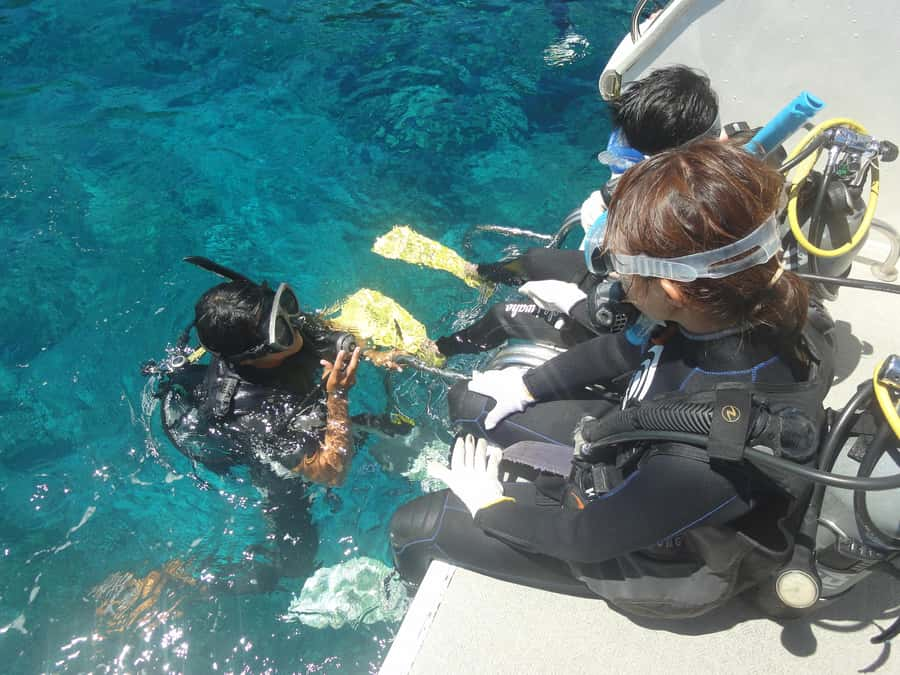
The staff begin with a verbal explanation. After the equipment is arranged, they explain the process again. Then you practice on the water before going below the surface. This gradual method is one of the strongest parts of the experience, especially if you feel nervous about breathing underwater.
You are not simply handed equipment and sent off. The staff show you how to use it, give you time to practice, and watch your reactions. A participant who was anxious about equalizing received repeated help underwater, and another nervous swimmer gained enough confidence to try at the second site. That kind of attention can make the difference between an uncomfortable morning and a memorable one.
The trip is described as a small-group experience, though no exact maximum group size is provided. That means you should expect personal support, but you should still ask about the group size if close supervision is especially important to you.
What happens at the three Kerama locations
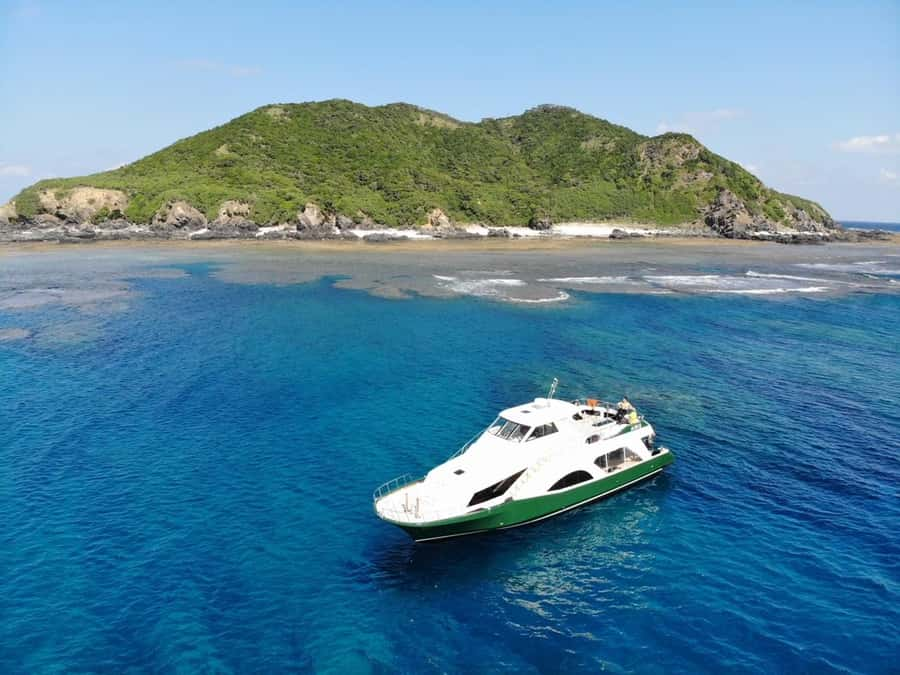
The day’s order can change with the sea. The usual pattern gives you snorkeling at several points and one introductory scuba session, with another underwater activity possible if the staff and conditions permit.
First stop: getting comfortable in the water
The first location is where you put the land lesson into practice. You can float, test your mask and breathing, and work through the basic skills while a guide stays nearby.
This stop may feel less dramatic than the later sites, but it is important. If you are anxious, the first goal is not to reach the deepest coral. It is to learn that you can breathe, signal, and return to the surface when needed. A nervous participant was helped through the first location and later completed the underwater session at the second, which shows why the staff do not treat an early hesitation as failure.
If you prefer snorkeling, you can enjoy the surface here while others complete their introductory scuba session. The provided information does not specify exact depths or time at each stop, so do not expect a fixed schedule for every group.
Same water, a different way to get in it:
- Okinawa Ishigaki Blue Cave Snorkeling Tour
★ 5.0 · 332 reviews - From Naha: Snorkeling Tour to Kerama by Ferry
★ 4.3 · 151 reviews - Ishigaki Island: Blue Cave Exploration & Snorkeling Tour
★ 4.7 · 139 reviews - Ishigaki Island: Boat Snorkeling Tour at Phantom Island
★ 4.5 · 120 reviews
Second stop: coral and close fish encounters
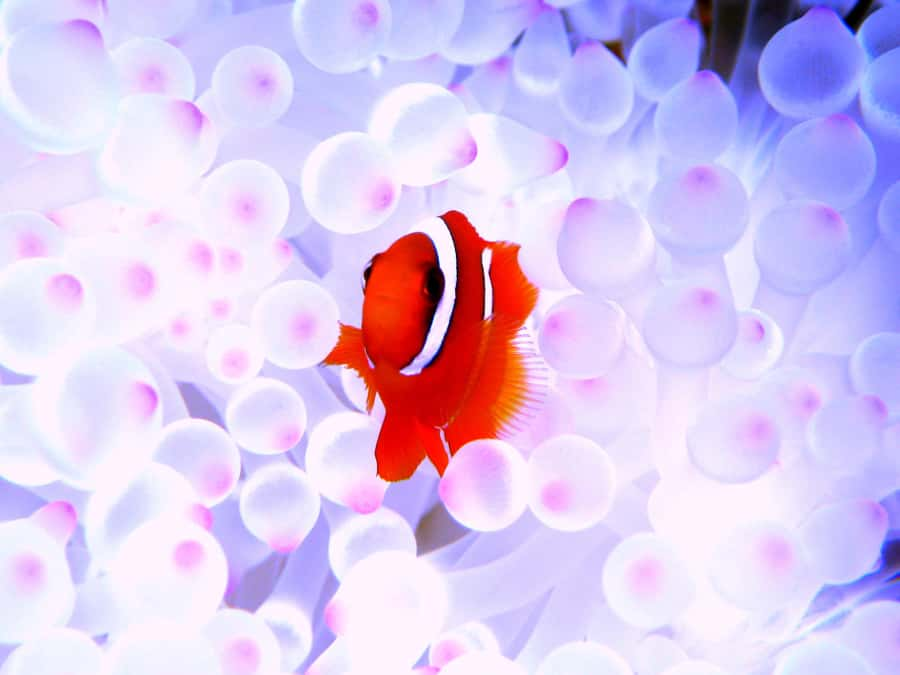
Once you are comfortable, the underwater scenery becomes the main event. The water is clear enough for you to see the bottom from the surface, and fish may approach close to your face. Below, coral formations stretch out with fish moving around them.
This is where the introductory scuba session can feel special. You get a different view from snorkeling because you can look upward, beside you, and down through the coral at once. The experience is designed for beginners, not certified scuba users seeking a technical outing, so your guide controls the pace.
Several people have appreciated the calm support available at this stage. One person was worried about equalizing, while another was not confident in the water. Christina was praised for quietly watching the group and offering support before trouble developed. Tina also took particular care of a family member who came mainly to snorkel. These details suggest that you should speak up early if you feel uneasy. The staff can help more effectively when they know what is bothering you.
Third stop: more snorkeling and possible extras
The final location gives you another chance to enjoy Kerama’s clear water without the pressure of your first attempt. You may snorkel again, and some participants have chosen an additional underwater session at this point for an extra charge.
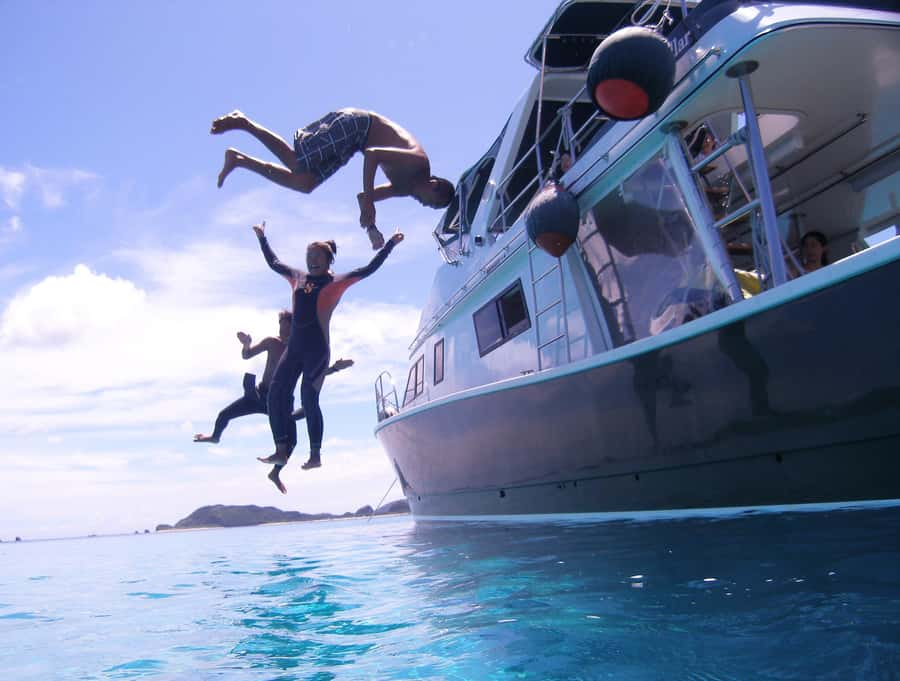
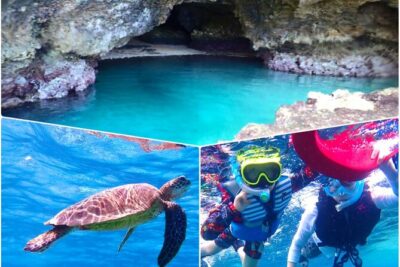
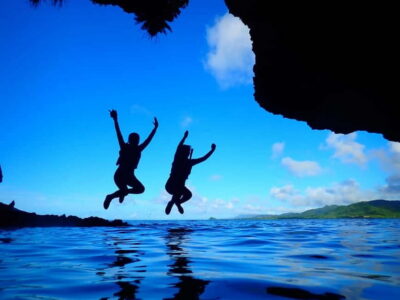
A route through caves may be included at the last location, depending on the day. You may also be able to jump into the Kerama Blue from a height of about 4 meters or swim to a white-sand beach for a rest on land. These options are not guaranteed, since weather and sea conditions control what the boat can safely offer.
That uncertainty is worth understanding. The tour sells access to the Kerama sea, not a fixed sequence of stunts. If the water is rough, a beach landing, cave route, or jump may be removed. In return, the crew can choose safer sites and keep the main snorkeling and scuba portions running when possible.
Winter whales and other seasonal touches
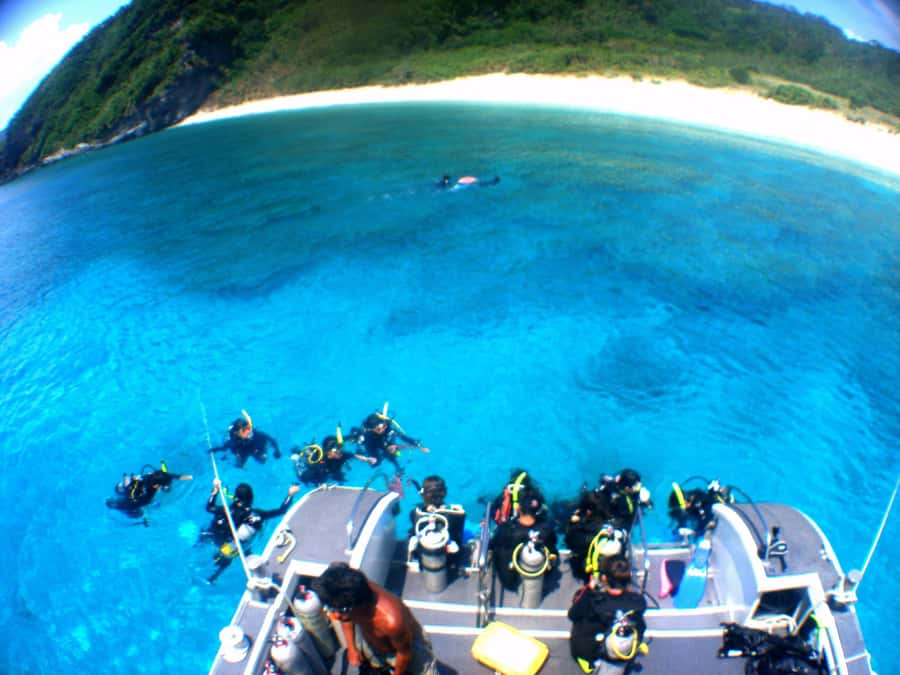
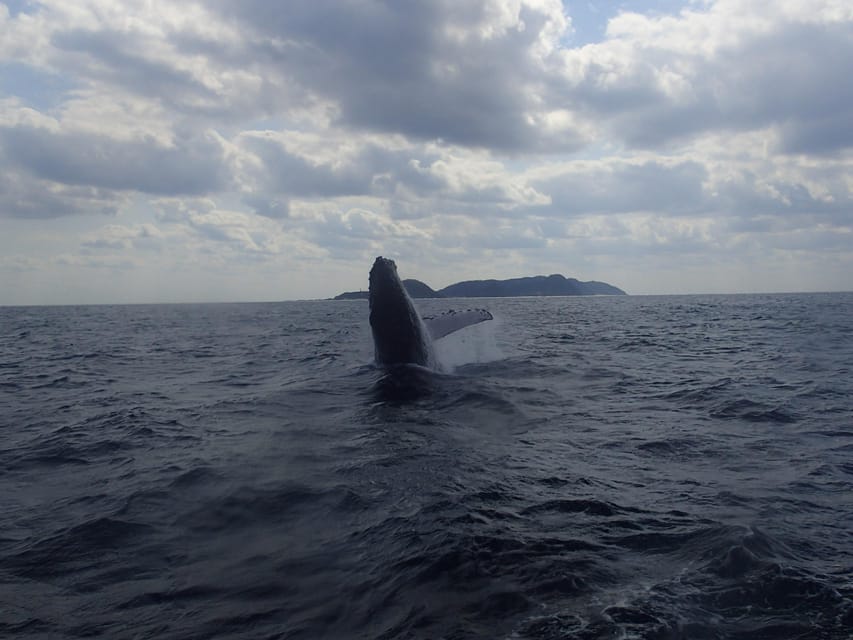
From January 12 through March, the day can include whale watching. The operator has a strong chance of finding whales, but no responsible boat can promise a sighting. Wind, visibility, and sea conditions can all change the result.
The winter combination is appealing because you can spend the day around the islands, look for whales from the boat, and still have time in the water. Keep your expectations sensible. Whale watching is an added possibility, not a guaranteed performance, and the exact amount of time spent searching may vary.
August and September bring a simpler perk: shaved ice. It will not change the quality of the coral or fish, but after time in the sun, it is a welcome treat. Free motion sickness medicine is available, which is useful on an open-water boat day. If you know you get seasick, take the offer seriously rather than trying to tough it out.
Free swim rings are also available, but you must reserve one in advance. That can be useful for a cautious swimmer or a family member who wants extra support while snorkeling.
The guides are the real safety feature
The equipment matters, but the staff shape the day. The most repeated praise goes to the guides’ calm manner, friendly communication, and attention to nervous participants.
The strongest example is the concern about equalizing. That is a common first-timer worry, and the answer is not to force yourself lower. Tell the guide, follow the signals, and stop if something feels wrong. The staff are prepared to help you work through the skill gradually.
The same applies to swimming ability. One family member joined mainly for snorkeling and lacked confidence in the water. Tina provided extra care, allowing the person to take part without being pushed beyond a comfortable limit. You should still be honest about your ability before departure. This is a boat-based sea activity, not a substitute for swimming lessons.
Instruction is offered in Japanese, English, and Portuguese. That is useful for international groups, particularly when safety signals and equipment instructions need to be clear.
Lunch, photos, and the true cost of the day
At $100 per person, the price includes much of what can make a boat excursion expensive. You get the introductory scuba session, snorkeling, equipment rental, a boat coat, towels, insurance, tea, a hot water shower, toilet access, a changing room, and the boat boarding fee.
Around three underwater photos are included, which I consider a real value. You do not have to buy a camera simply to preserve a few memories of the coral and fish. If you want more control over the footage, a GoPro with an SD card costs 3,000 yen.
Lunch is not included. You can order it for 880 yen, and it must be arranged in advance. That is a modest add-on for a full day at sea, and the onboard lunch has been described as tasty and satisfying. I would order it if you want to avoid bringing food or worrying about finding something between water sessions.
Landing on an island is also not included. The boat may visit a white-sand beach when conditions permit, but you should not pay expecting a guaranteed island stop.
The free underwater photographs, motion sickness medicine, and included towels make the base price better than it first appears. The main extra costs are easy to understand: lunch if wanted, and GoPro rental if three photos are not enough.
Practical limits you should take seriously
This is an active sea day. You need to be in good health, and the restrictions are broad for a reason. Do not book if you have a cold, heart or respiratory problems, kidney problems, high blood pressure, a recent operation, or another condition that could make exertion or pressure changes unsafe.
The experience is not suitable for wheelchair users, pregnant people, babies under 1, or anyone who cannot safely manage the boat and water setting. People with claustrophobia may also find the mask and regulator uncomfortable.
The boat rules are strict. Pets, fishing, surfboards, weapons, sharp objects, explosive materials, fire, alcohol, drugs, littering, and loud behavior are not allowed. Smoking is not allowed in the vehicle, and alcoholic drinks cannot be taken into the vehicle.
Cancellation terms need careful checking because the supplied conditions conflict. One schedule says cancellation is free until noon two days before departure, then 50 percent applies, with 100 percent charged after 5 p.m. the day before or for a no-show. Another note says you can cancel up to 24 hours ahead for a full refund. Confirm the current rule before you pay, especially during a changeable weather period.
Who should book the Kerama day
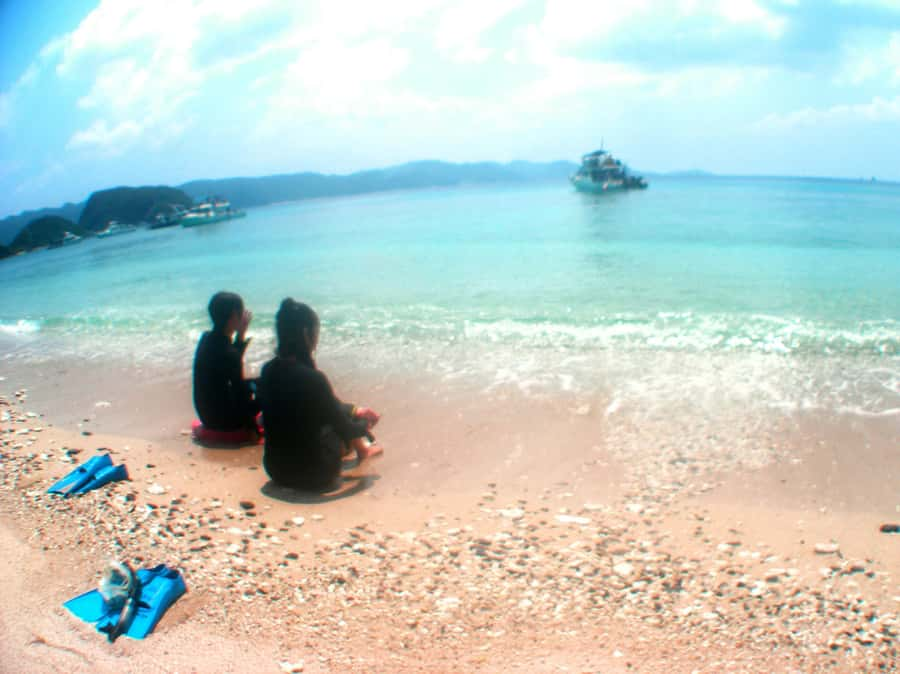
I would recommend this outing to a first-time scuba participant who wants more than a single short session. The three-site plan gives you time to settle in, try again, and enjoy snorkeling even if the first underwater attempt feels daunting.
It also suits couples, friends, and families with older children who want a guided day rather than arranging equipment and boats separately. The staff’s calm support is particularly valuable if one person in your group is nervous or only wants to snorkel.
I would be more cautious if you want a quiet beach day, a guaranteed whale sighting, or a fixed timetable. The sea decides the route, and the day may include several activity changes. You should also skip it if you have any of the listed medical concerns or are uncomfortable with a boat-based activity.
FAQ
What is included in the $100 price?
The price includes one introductory scuba session, snorkeling, equipment rental, a boat coat, towels, tea, insurance, a hot water shower, toilet and changing-room access, and the boat boarding fee. Around three underwater photos are also included.
Can I go whale watching on this tour?
Whale watching is offered from January 12 through March. Sightings are not guaranteed because weather and sea conditions can prevent whales from being seen.
Do I need to bring scuba equipment?
No. Equipment rental is included. You should bring a swimsuit, sandals, sunscreen, and a change of clothes.
Is lunch included?
No. Lunch costs 880 yen and must be ordered in advance. A GoPro with an SD card is another optional extra at 3,000 yen.
Is the tour suitable for children?
The supplied restrictions exclude children under 8 and also list children under 10 as unsuitable. Because these limits conflict, confirm the current minimum age with the operator before booking.
What happens if I get seasick?
Motion sickness medicine is provided free of charge. It is sensible to request it if you are prone to seasickness, since the activity takes place on a boat between several sea locations.
Should you book it?
Book this Kerama Islands outing if you want a well-supported first scuba experience, several snorkeling opportunities, and the chance to see coral, fish, turtles, or winter whales in one day. The patient instruction, helpful guides, included equipment, and underwater photos make the $100 price fair.
Skip it if you need a guaranteed beach landing, a guaranteed whale sighting, or a completely relaxed schedule. For a healthy beginner who wants to try scuba without committing to a certification course, this is one of the more useful ways to meet the Kerama Blue.
Just added around Japan
- From Naha: Tokashiki Island Day Trip★ 4.5 · 62 reviews
- Snorkeling Activity in Okinawa Miyako Japan★ 4.5 · 29 reviews
- Okinawa: Blue Cave Private Snorkeling Tour with Guide★ 4.8 · 40 reviews
- Okinawa : Kerama Whole Day Snorkeling Tour From Chatan/Naha★ 4.5 · 93 reviews
- Naha, Okinawa: Keramas Island Snorkeling Day Trip with Lunch★ 4.7 · 370 reviews
- Miyako island: Pumpkin Limestone Caving & Snorkeling★ 4.6 · 13 reviews
- Miyako Island: SUP or Canoeing and Snorkeling Experience★ 4.9 · 11 reviews
- Kerama Half-Day Snorkeling Tour★ 3.8 · 44 reviews
Japan Snorkeling Tours, compared.
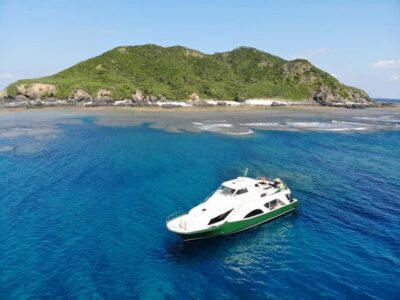
From Naha: Kerama Islands 1-day snorkeling tour
Read our review →
Naha, Okinawa: Keramas Island Snorkeling Day Trip with Lunch
Read our review →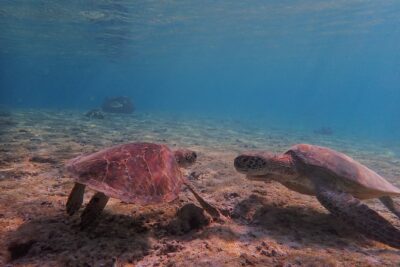
Ishigaki Island: Blue Cave Exploration & Snorkeling Tour
Read our review →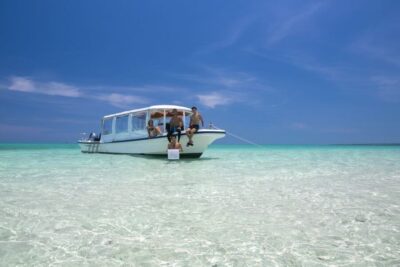
Ishigaki Island: Boat Snorkeling Tour at Phantom Island
Read our review →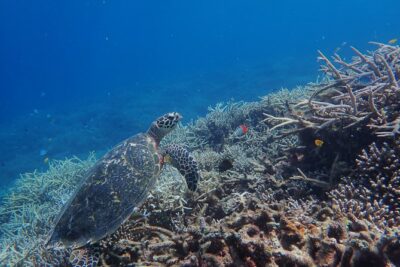
Iriomote Island 1-Day Snorkeling & Mangrove SUP or Canoe
Read our review →Browse the lists this tour appears in