
Review · JAPAN
Okinawa : Kerama Whole Day Snorkeling Tour From Chatan/Naha
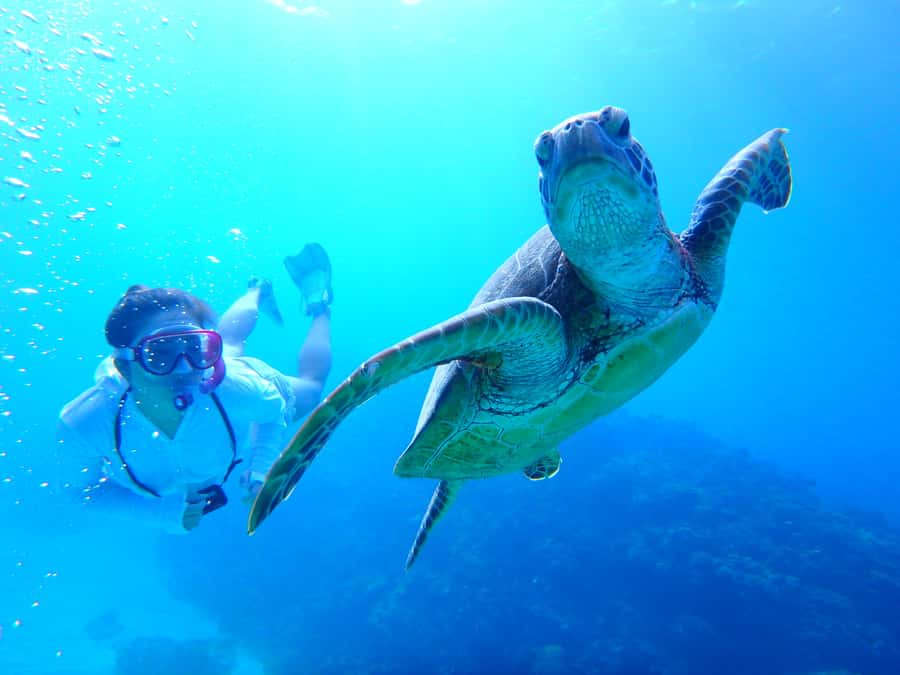
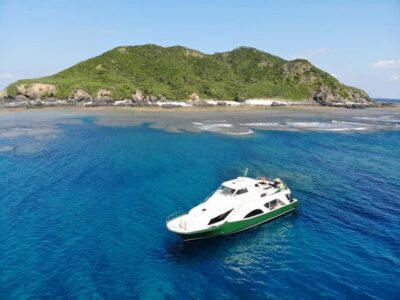
Kerama’s clear water rewards early effort. This full-day boat trip from Chatan or Naha gives you access to coral reefs, clownfish, sea turtles, and several snorkeling sites inside Kerama National Park. I especially like the chance to visit two or three reef locations and the care shown by the crew, who have helped first-time snorkelers feel comfortable in the water.
The main tradeoff is simple: you stay on the boat all day, with no island landing, and rough sea conditions can cut the number of sites from three to one or two. Sea turtles are possible but never promised, so book this for the reefs and clear water first, with turtles as a lucky bonus.
Kerama snorkeling at a glance
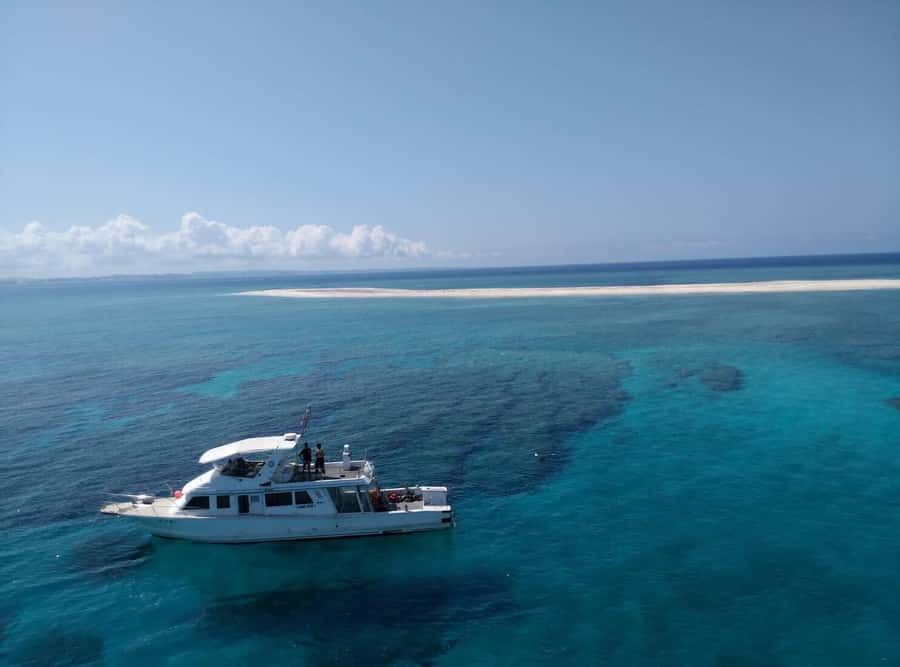
- Three possible reef stops: The boat normally anchors at two or three snorkeling points, though weather and sea conditions can reduce this to one or two.
- Depart from Chatan or Naha: Choose the port that best fits your accommodation, with transportation included.
- Sea turtles are a bonus: Clownfish, coral, and many small fish are regular goals, but turtle sightings are not guaranteed.
- No island visit: You snorkel around the anchored boat and do not go ashore on the Kerama Islands.
- Beginner-friendly water time: Life jackets are required, and staff can patiently help first-time snorkelers get settled.
- Optional introductory underwater session: You can book one supervised session without a license, plus snorkeling at the other locations.
Why Kerama National Park is worth the boat ride
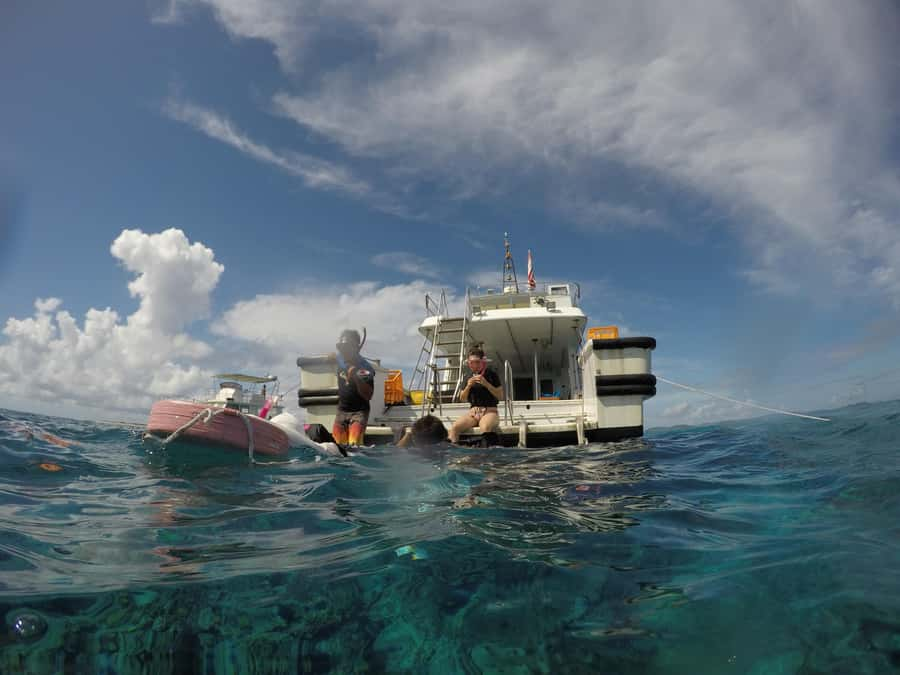
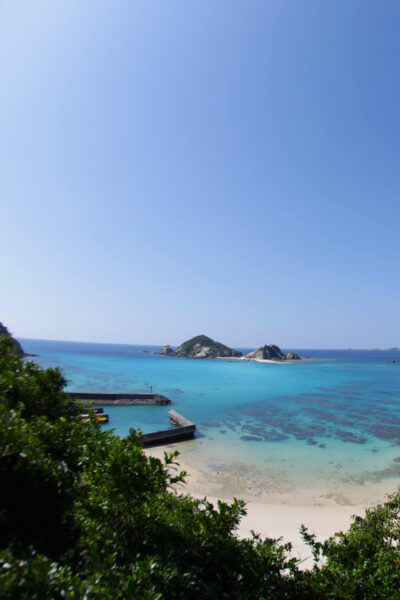
The Kerama Islands sit off Okinawa’s main island, and the appeal is the water itself. The tour takes you away from the mainland coast to clear sea around the island chain, where coral, clownfish, and other fish are visible from the surface.
That clarity matters if you are new to snorkeling. You do not need to swim down to appreciate the reef, and the required life jacket helps you stay afloat while you look below. Skin diving is not allowed, so this is a surface-snorkeling outing rather than a test of how long you can hold your breath.
I like this setup because it keeps the focus on seeing marine life without turning the day into a demanding athletic event. The crew can stay near participants in the water, and one particularly patient staff member helped a first-time snorkeler learn what to do. That kind of attention is more useful than a long speech about coral.
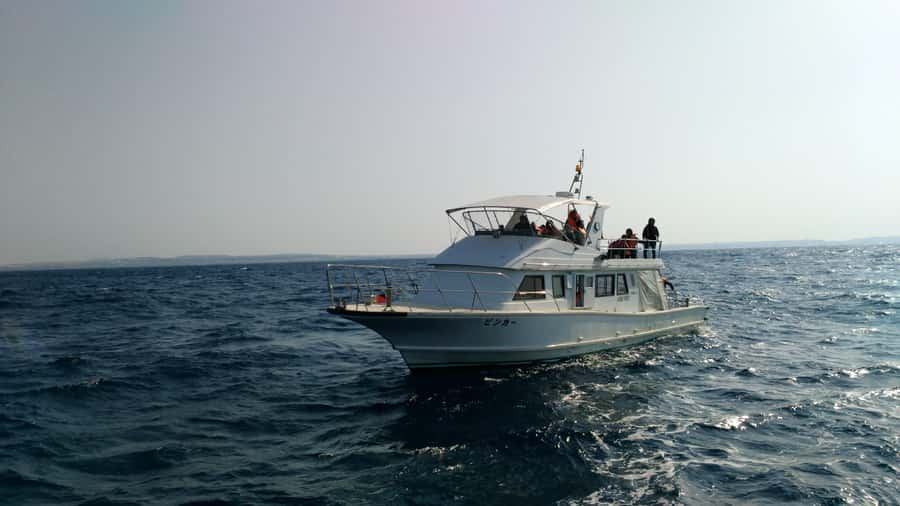
The boat remains anchored while you explore the water nearby. You will not wander through a village, eat on an island, or walk onto a beach. If your idea of a Kerama trip includes island time, this is the wrong product. If you want several chances to see the underwater world, the boat-based plan makes sense.
More Full-Day Trips in Japan:
- Phuket: 3 Khai Islands Relax & Snorkeling Half/Full Day Tour
★ 4.2 · 2,379 reviews - Full day snorkeling adventure around Koh Tao
★ 5.0 · 2,300 reviews - Milos Small-Group Full-Day Cruise with Snorkelling and Lunch
★ 5.0 · 1,210 reviews
Choosing Chatan or Naha for departure
You can start from Chatan or Naha, which is helpful if you are splitting your stay between northern and southern parts of Okinawa’s main island. Transportation is included, but you should still choose the departure point carefully. The tour ends at Naha or Chatan Hamagawa Fishing Port according to your starting location.
Chatan departures carry a small extra cost: a 200-yen port facility fee paid in cash on the day. That is minor, but it is the sort of detail that saves you from searching for change at the dock.
The exact start and finish times are not provided here, so you should allow the whole day for the outing. Do not plan a tightly timed attraction immediately afterward. Sea conditions, loading, and the return boat can all affect the schedule.
Bring your own lunch or food. Lunch is not included, and there is no promise of a meal being served on board. Pack water as well, since snorkeling in the sun can leave you thirstier than expected.
What happens at the three possible snorkeling stops
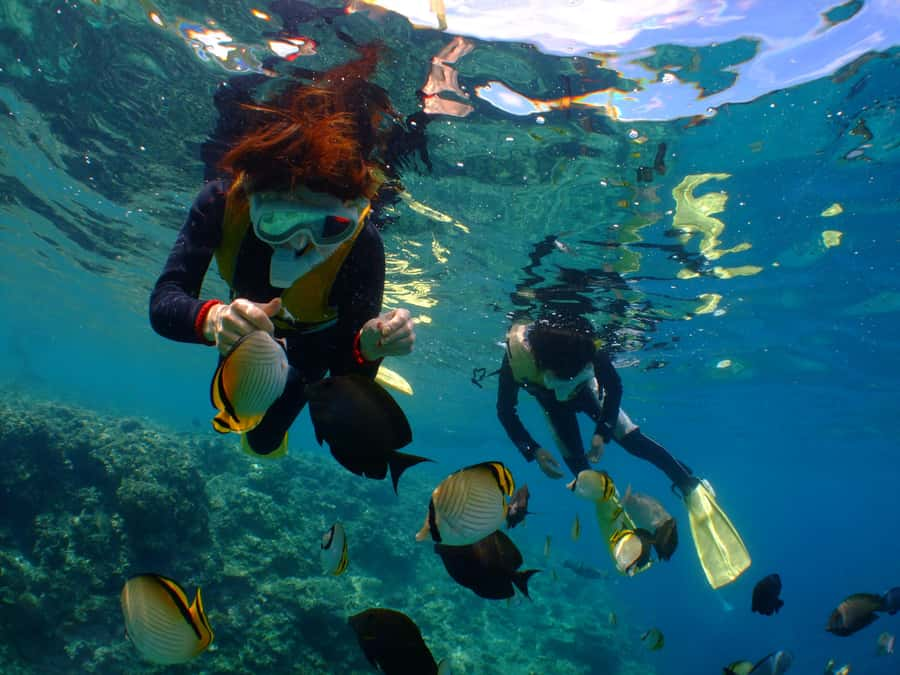
The standard plan includes two or three snorkeling points around the Kerama Islands. You remain on the boat between stops, then enter the water at each chosen location.
The first site is where you learn the rhythm of the day: mask on, life jacket secure, fins ready, and a careful entry into the sea. If you are inexperienced, this is the moment to tell the staff. A calm start makes it easier to enjoy the later stops instead of spending the first half of the tour fighting your mask.
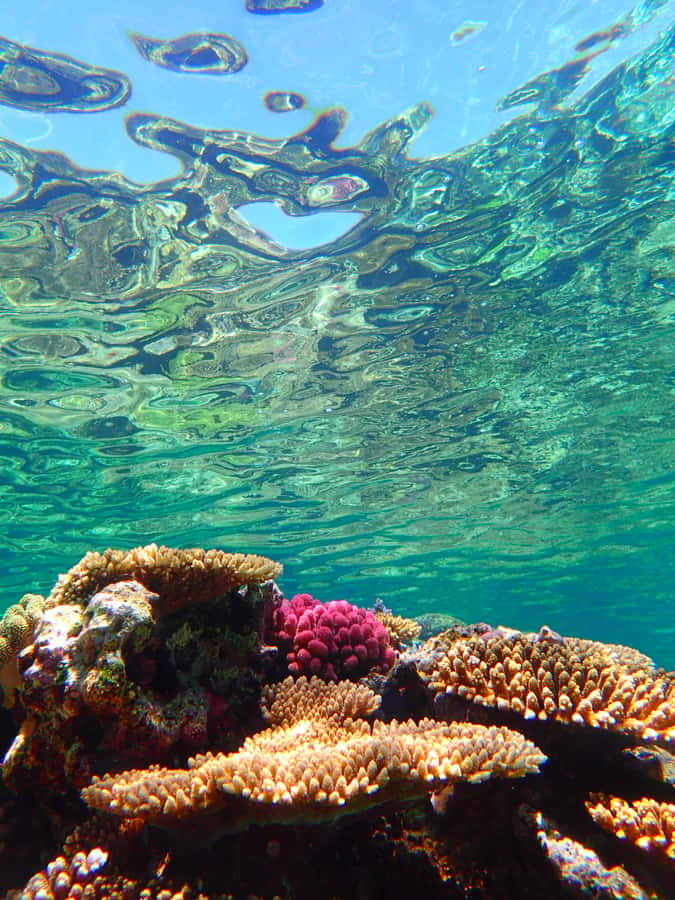
At the reef, look for the details close to the surface. Clownfish and coral are specifically part of the marine life found here, while schools of small fish can make the water feel busy even when nothing large appears. Clear water rewards patience. You may notice more by floating quietly than by kicking quickly from one sight to the next.
The second stop may provide another chance at coral and fish, and it is also where some participants choose the optional introductory underwater session. The exact site depends on the number of people who select that option. Those participants receive one supervised session at either the first or second point, then snorkel at the remaining locations.
A third stop, when conditions allow, gives you more time in the water and another chance to see turtles. Three stops were praised for the variety of sea life, including coral, fish, and turtles. But do not treat three as a guarantee. Wind, waves, and other sea conditions may reduce the day to one or two sites, with no partial refund unless the entire trip is cancelled.
Sea turtles, coral, and the luck factor
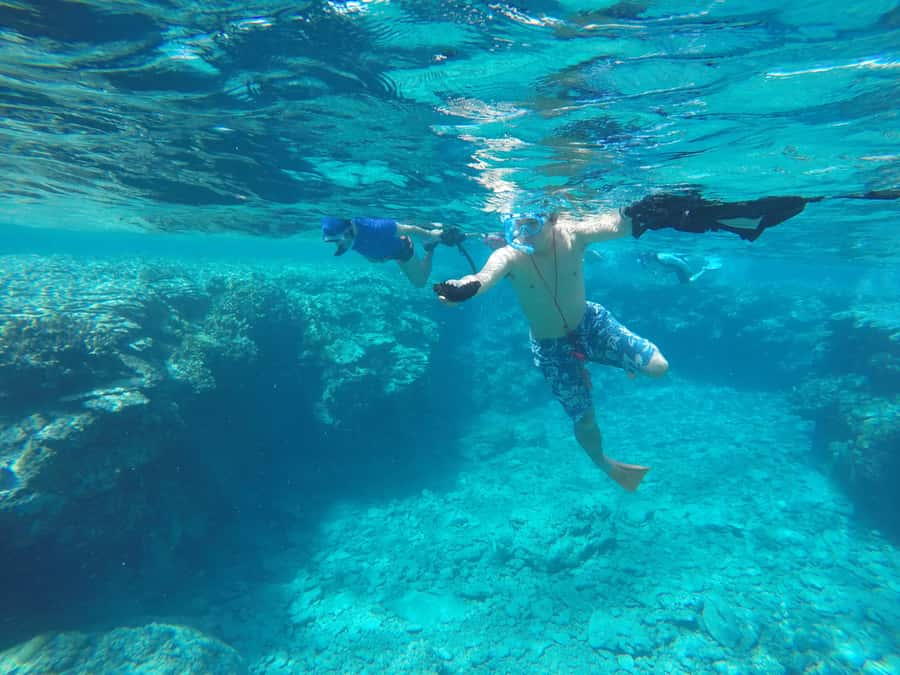
Sea turtles are one of the strongest reasons people book this tour, and sightings can be memorable. Some participants have seen several turtles at two locations, while another lucky encounter included a white-tip shark. Those are special moments, not promised features.
I would book this with the right expectation: the coral and fish are the reliable attraction, while turtles are the prize. If you spend the whole trip scanning for a turtle and ignore the reef below, you may miss much of what makes the day worthwhile.
A long-sleeved swim shirt is a smart choice. It protects you from the strong Okinawa sun and reduces the amount of sunscreen entering the water. One useful tip from the experience is to avoid ordinary sunscreen when possible because it can damage coral. Use reef-conscious sun protection, cover your arms, and apply sunscreen well before entering the sea.
The crew takes photographs and video in the water, but you are not guaranteed an individual photo. Two guides may swim around the group with cameras, which gives you a chance of getting images without carrying your own camera. Still, do not book this expecting a personal photo package for everyone.
A few more days in the water around Japan worth a look
- Okinawa: From Naha: Kerama Islands 1-day snorkeling tour
★ 4.4 · 423 reviews - Naha, Okinawa: Keramas Island Snorkeling Day Trip with Lunch
★ 4.7 · 370 reviews - [Miyako Island/Half Day] Sea Turtle Snorkeling
★ 5.0 · 337 reviews - Okinawa Ishigaki Blue Cave Snorkeling Tour
★ 5.0 · 332 reviews
How the optional underwater session works
The optional introductory session is available without a license and includes one supervised underwater outing at one of the first two points. You then snorkel at the other locations.
This option suits someone curious about going below the surface but not ready to commit to a full certified program. You still need to meet the health requirements, and the equipment weight limit is lower than for snorkeling: 100 kilograms, or 220 pounds.
No flight is allowed on the same day after this underwater session because of pressure-related safety risks. That rule matters if you are leaving Okinawa by air that evening. Plan the session for a day with no flight afterward.
For ordinary snorkeling, the maximum equipment weight is 120 kilograms, or 265 pounds. Wetsuits are not available in oversized sizes, typically for people close to or above 99 kilograms, or 220 pounds. You can still swim with a life jacket, but confirm your equipment needs before booking rather than discovering a poor fit at the port.
Equipment, clothing, and comfort in the water
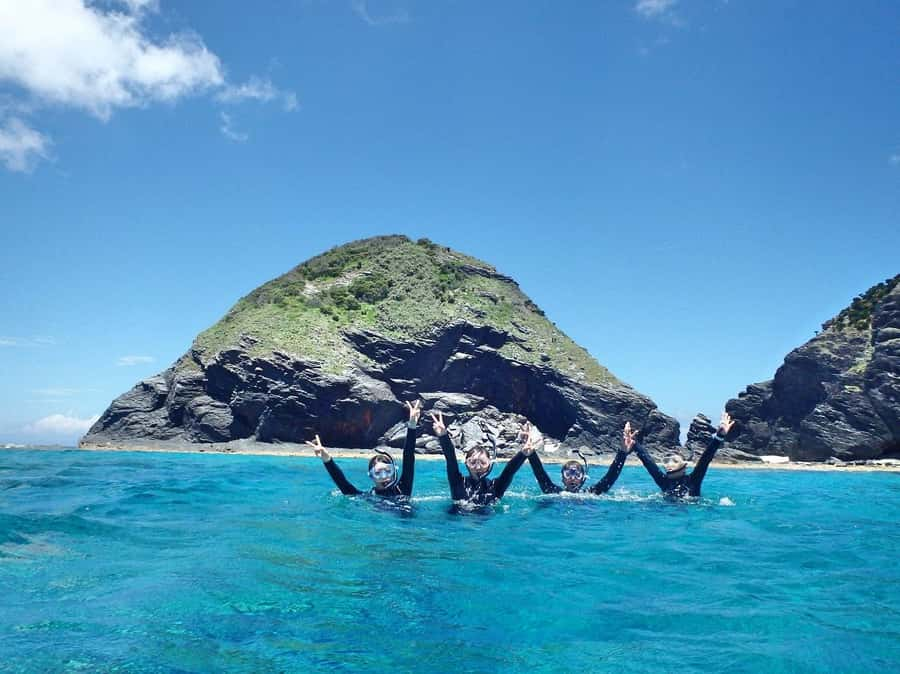
The price includes a snorkeling set, life jacket, insurance, and a wetsuit except in July, August, and September. If you want a wetsuit during those warmer months, request one in advance. Availability is not guaranteed, especially in larger sizes.
A life jacket must be worn at all times while snorkeling. This means you cannot choose to swim without flotation support, and skin diving is prohibited. For most people, that makes the experience less stressful, though strong swimmers who prefer unrestricted movement may find the rule limiting.
Bring swimwear, a towel, a change of clothes, comfortable shoes, a hat, sunscreen, water, and food. Large bags and luggage are not allowed, so keep your belongings compact. Baby strollers and baby carriages are also not permitted.
Prescription masks are available in limited quantity. If you normally use contact lenses, disposable contacts are recommended. This is worth sorting out before the morning of the tour, since a poor mask fit can spoil otherwise excellent water time.
The crew and the pace of the day
The strongest part of the experience is the crew’s attention in the water. Staff have been described as friendly, careful, and helpful, with guides selecting snorkeling locations according to conditions and the group.
That matters most if you are nervous or have never snorkeled. A patient guide can show you how to breathe through the mask, keep your body relaxed, and move without wasting energy. You should still be comfortable in the water, but you do not need to arrive as an expert swimmer.
The tour uses basic English or Korean guidance, with Japanese and English listed as available languages. If you need detailed technical explanations, keep your questions clear and simple. The practical help appears to be the priority.
The day is active but not necessarily exhausting. You will spend time in the sun, board and leave the water several times, and swim around the boat at each location. A participant finished earlier than expected, which was not considered a problem, but it shows that the actual day may not fill every planned minute.
No alcohol is allowed on board or before the tour. Loud music, disruptive behavior, smoking, littering, and drugs are prohibited. Those rules protect the safety of the group and help keep the boat pleasant for everyone.
Is $94 a good value?
At $94 per person, this is a reasonable price for a full-day boat trip into Kerama National Park. Transportation, instruction, snorkeling equipment, life jacket, insurance, and photographs or video are included. The optional underwater session also includes full equipment rental.
The value depends on what you want from the day. If you want three separate reef opportunities, professional support, and access to clear water away from the mainland, the price makes sense. You are paying for the boat ride and staff support as much as for the time with a mask in the sea.
The value drops if you expect a guaranteed turtle, a guaranteed three-stop route, or an island lunch. None of those is included. You also need to bring food and pay the 200-yen Chatan port fee in cash if you depart from there.
Cancellation is free up to 24 hours before departure. The operator may cancel if fewer than four people are booked and should notify you by the previous day. Weather-related changes may shorten the outing or reduce the number of snorkeling points without a refund, unless the entire tour is cancelled.
Who should book this Kerama trip?
This outing is best for adults, families with children aged six and over, and first-time snorkelers who want staff nearby. Children must meet the age rule, and anyone under 20 in Japan needs parental consent. Snorkeling is allowed from age six to 60, while the optional underwater session is for ages 10 to 60.
You should not book if you are pregnant, hungover, under the influence of alcohol, or affected by heart or lung conditions, high blood pressure, ear infections, diabetes, or epilepsy. The staff conduct a health check on the day, and there is no refund if you fail it.
The age information includes both 60 and 65 in the restrictions, so anyone near the upper limit should confirm eligibility before paying. Weight rules also differ by activity, with 120 kilograms for snorkeling and 100 kilograms for the optional underwater session.
Should you book it?
Book this tour if clear water, coral, fish, and several boat-based snorkeling stops are your main goals. I would especially recommend it for a first snorkeling outing, since the crew’s patient support and required flotation make the day easier to manage.
Skip it if you need an island landing, a guaranteed turtle encounter, a private guide, or a fixed schedule unaffected by the sea. For everyone else, $94 buys a well-supported day in one of Okinawa’s best-known marine areas, with the chance for an unforgettable turtle sighting but enough coral and fish to make the trip worthwhile even when luck stays ordinary.
FAQ
Where does the Kerama snorkeling tour depart from?
You can depart from Chatan or Naha. The return point is Naha or Chatan Hamagawa Fishing Port, depending on where you start.
Does the tour include an island visit?
No. The boat anchors near snorkeling locations, but there are no landings on the Kerama Islands.
How many snorkeling locations will I visit?
The usual plan includes two or three snorkeling points. Sea conditions may reduce this to one or two.
Are sea turtles guaranteed?
No. Sea turtle sightings are possible but not guaranteed.
Is a license required for the optional underwater session?
No license is needed for the one introductory underwater session. It is offered at one of the first or second snorkeling points, followed by snorkeling at the others.
What is included in the $94 price?
The price includes transportation, guide fees, insurance, a life jacket, snorkeling equipment, photographs or video when available, and a wetsuit except in July, August, and September. The optional underwater session includes equipment rental.
Can I fly on the same day after the underwater session?
No. Anyone who chooses the underwater session must not take a flight on the same day because of pressure-related safety risks.
Just added around Japan
- From Naha: Tokashiki Island Day Trip★ 4.5 · 62 reviews
- Snorkeling Activity in Okinawa Miyako Japan★ 4.5 · 29 reviews
- Okinawa: Blue Cave Private Snorkeling Tour with Guide★ 4.8 · 40 reviews
- Okinawa:Naha:Kerama Island Experience 1Dive and Snorkeling★ 4.4 · 99 reviews
- Naha, Okinawa: Keramas Island Snorkeling Day Trip with Lunch★ 4.7 · 370 reviews
- Miyako island: Pumpkin Limestone Caving & Snorkeling★ 4.6 · 13 reviews
- Miyako Island: SUP or Canoeing and Snorkeling Experience★ 4.9 · 11 reviews
- Kerama Half-Day Snorkeling Tour★ 3.8 · 44 reviews
Japan Snorkeling Tours, compared.
From Naha: Kerama Islands 1-day snorkeling tour
Read our review →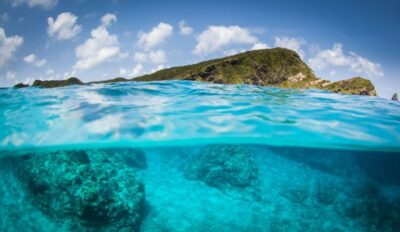
Naha, Okinawa: Keramas Island Snorkeling Day Trip with Lunch
Read our review →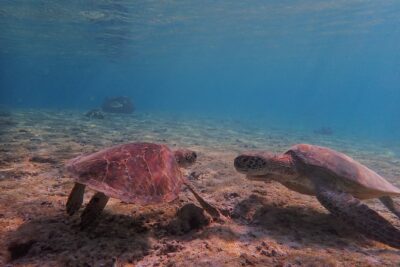
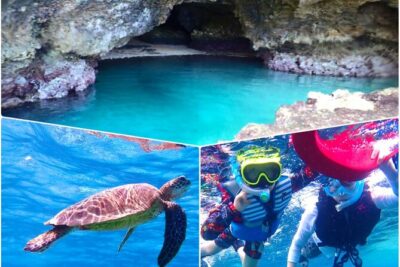
Ishigaki Island: Blue Cave Exploration & Snorkeling Tour
Read our review →
Ishigaki Island: Boat Snorkeling Tour at Phantom Island
Read our review →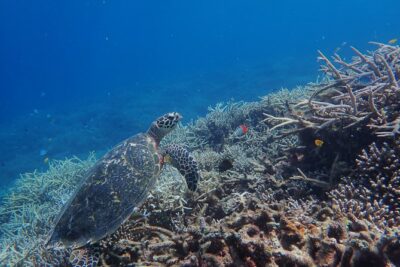
Iriomote Island 1-Day Snorkeling & Mangrove SUP or Canoe
Read our review →Browse the lists this tour appears in