
Review · USA
Ketchikan, Alaska: The Mountain Point Snorkeling Adventure
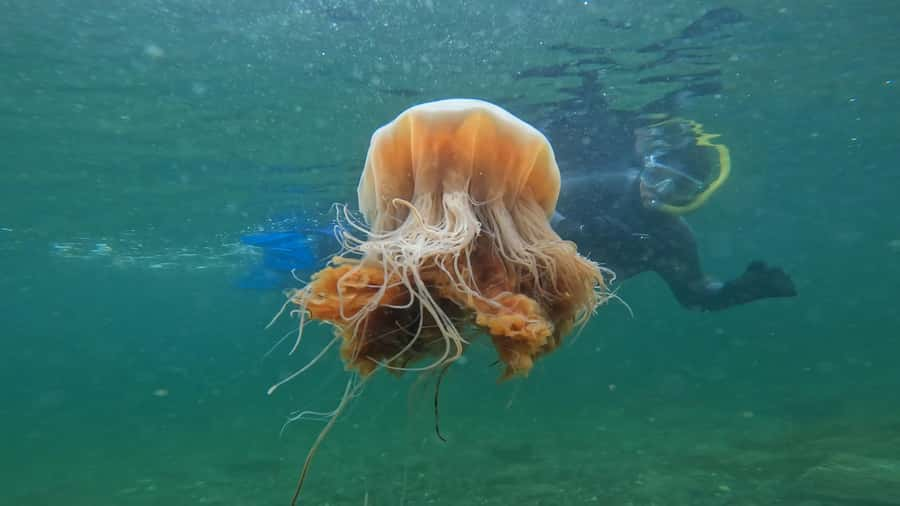
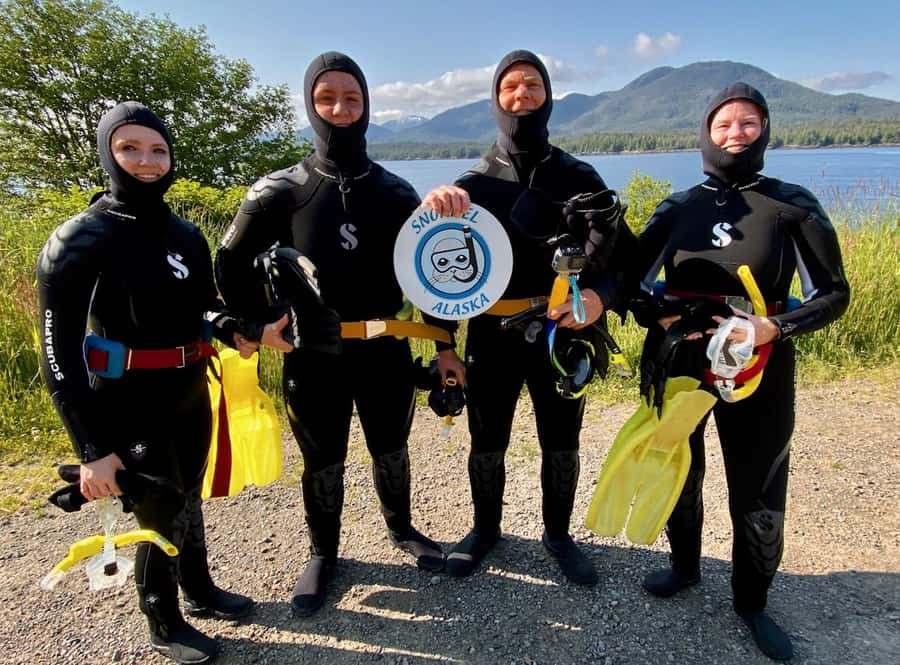
Alaska has an unexpected underwater side. Ketchikan’s Mountain Point snorkeling trip lets you see it in calm coastal water, wearing a serious 7mm wetsuit with hood, boots, and gloves. I like the small groups of up to 10 people and the care taken by PADI-certified guides, who provide instruction, watch the water, and explain the marine life. I also like that the site is only about five miles from the cruise berths, so you spend more time in the water and less time riding around.
The main catch is physical effort. You enter from a rocky beach where currents may be present, and the activity is rated Most Strenuous. The water can also be rough on some days. This is not a gentle float for anyone with limited mobility or poor fitness, even though the thick suit keeps you warm.
Key points before you book
- 65-degree water in mid-summer: That temperature sounds mild until you remember you are in Southeast Alaska. The 7mm suit, hood, gloves, and boots make the difference.
- A real marine-life tour: Expect sea stars, sea urchins, sea cucumbers, fish, invertebrates, and kelp rather than only a quick look beneath the surface.
- Professional supervision: Guides hold PADI certifications ranging from Snorkeling Tour Guide and Rescue Diver to Divemaster and SCUBA Instructor, along with CPR and First Aid training.
- A strenuous shore entry: You must manage a rocky beach, wear bulky equipment, and deal with possible currents.
- Good cruise-port timing: The meeting point is at the Liquid Sunshine Gauge beside the Ketchikan Visitors Center at Berth 2, with roundtrip transportation included.
- Warm changing facilities: You change at the shop in heated dressing rooms, store your belongings securely, and return for a hot drink after the tour.
Why Mountain Point makes an unusual Ketchikan excursion
Most Ketchikan shore trips keep you on land, in a boat, or on a forest trail. This one gives you a different view of the area. You look down into shallow tide pools, float above kelp, and watch small sea creatures move across rock and sand.
Mountain Point is described as Southeast Alaska’s premier snorkeling site, and the reasons are practical. It has shallow areas that work well for beginners, plus steep underwater rock walls for participants who want to swim lower. The lack of glaciers near this part of the coast helps keep the water clearer than you might expect, while long summer days help the water reach about 65 degrees in mid-summer.
That does not mean the water feels like a tropical bay. You are still in Alaska. The value comes from the quality of the equipment and the chance to see a side of Ketchikan that many cruise passengers never consider.
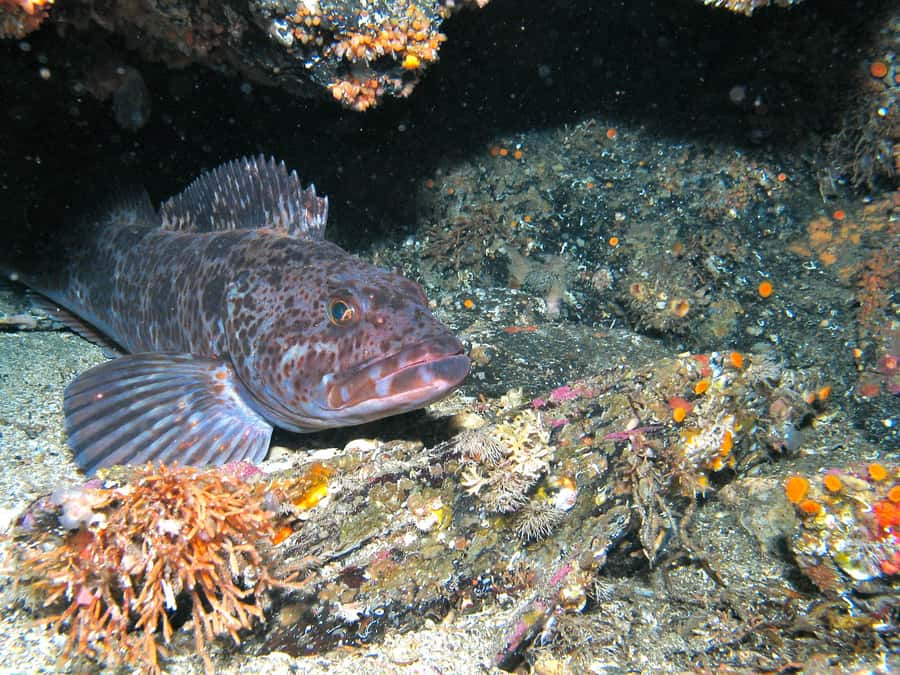
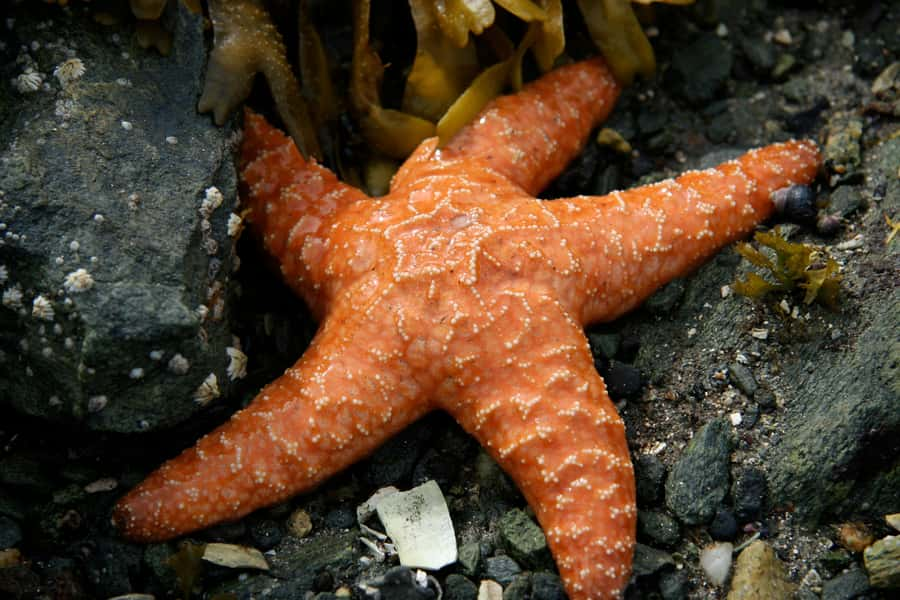
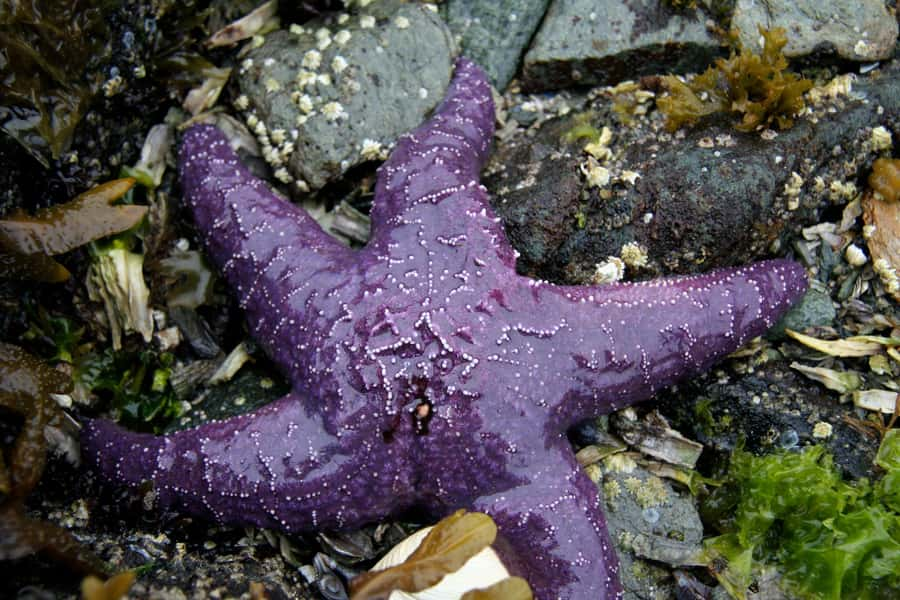
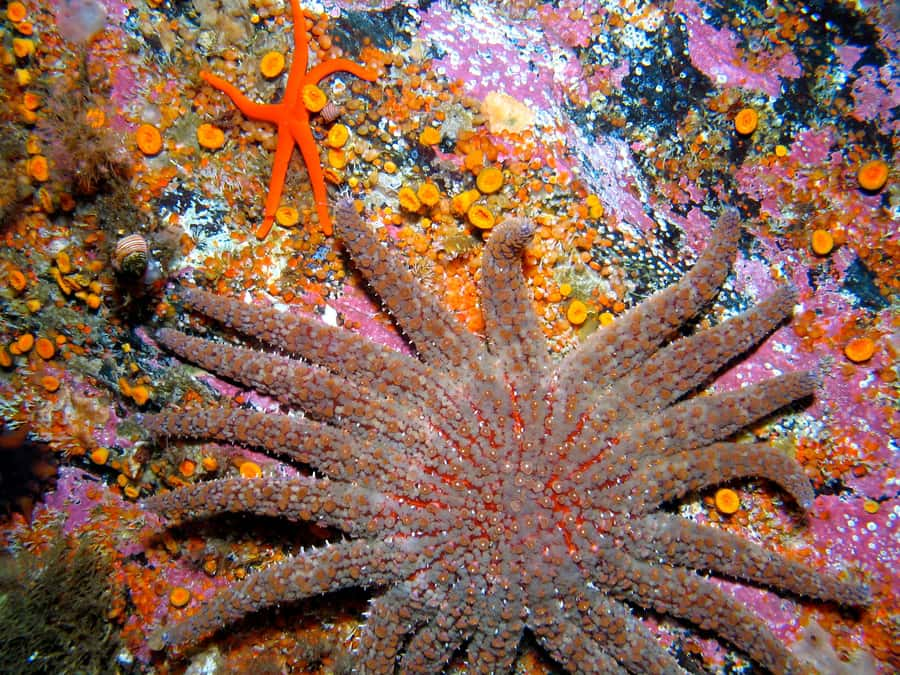
The marine life is the main attraction. You can expect multi-colored sea stars, sea urchins, sea cucumbers, fish, and other invertebrates. The one-hour guided portion is not simply free time with a mask. Your guide points out animals, explains what you are seeing, and may let you handle some creatures under supervision.
That interpretive part matters. Without a guide, a sea cucumber can look like a strange lump and a kelp forest can seem like a mass of weeds. With a guide, the shallow water becomes a living coastal community.
A few more days in the water around the USA worth a look
- Oahu: Grand Tour Around Island 16 Locations plus Snorkeling
★ 5.0 · 8,669 reviews - Big Island Manta Ray Night Snorkel
★ 5.0 · 5,656 reviews - Oahu’s Ultimate Tour: Dole, Turtle Snorkel, Pali Lookout & More
★ 4.5 · 5,461 reviews
From Berth 2 to the heated changing room
Your day begins at the Liquid Sunshine Gauge next to the Ketchikan Visitors Center on Berth 2. This is a useful meeting point for cruise passengers because it is in downtown Ketchikan and near the main ship berths.
The operator provides transportation from the meeting point to the shop and Mountain Point, then returns you downtown. The site is about five miles from your ship, so the transfer is short by excursion standards.
At the shop, you change in heated dressing rooms. That small detail is worth more than it may sound. Putting on a thick wetsuit in a cold outdoor setting would make the whole experience less pleasant, especially if the weather is wet or windy. Here, you can get organized indoors before heading to the shore.
Secure storage is available for your belongings. You should still bring only what you need, but you do not have to carry your bag into the water.
Bring a swimsuit or other beachwear, a towel, a change of clothes, and an extra pair of socks. The socks go under the wetsuit boots and can make the fit more comfortable. You also receive drinking water, tea, coffee, or hot chocolate during the experience.
Getting comfortable in a 7mm wetsuit
The equipment is one of the strongest reasons to consider this trip. You receive a full 7mm wetsuit, hood, boots, gloves, mask, fins, and snorkel. Prescription masks are available, and optional weight belts can be used by participants who want to swim lower.
A 7mm wetsuit is thick and protective, but it is not light clothing. Expect some effort when walking in it, especially over uneven ground. The suit also changes how easily you move. The first few minutes may feel awkward until you adjust to the buoyancy and bulk.
The payoff is warmth. Several participants specifically found the suit effective, including people who expected Alaska’s water to feel cold. You may still notice cold around your face or hands before settling in, but the full-body coverage makes this far more comfortable than ordinary swimwear.
The operator provides instruction before you enter the water. That is especially important if you have snorkeled before but have limited experience with cold water, fins, or shore entries. Listen closely to the instructions about moving over rocks and staying with the group.
Prescription masks are a useful touch if ordinary masks make it difficult for you to see clearly. Equipment fit can make or break a snorkeling trip, so tell the guide promptly if a mask leaks or the fins feel wrong.
The rocky beach entry requires real effort
This is the part to consider most carefully. The tour is rated Most Strenuous, and the entry point is a rocky beach. Currents may be present, so you are not simply stepping into a calm swimming pool.
You need enough balance and leg strength to walk from shore into the water in snorkeling gear. The thick suit, boots, fins, and gloves add work. If you are out of shape, severely overweight, or have limited mobility, this is not a good choice.
The stated weight range is 80 to 260 pounds. Children under eight cannot participate, and the suggested upper age limit is 65, depending on fitness. The formal restrictions also exclude people with heart conditions, respiratory disorders, epilepsy, a history of seizures or fainting, back problems, and mobility impairments.
These rules may seem strict, but they make sense for a shore-based activity with currents and bulky equipment. You must sign a waiver and may be denied participation if a medical condition creates a safety risk.
Once you are in the water, the pace becomes calmer. The guides supervise the group and keep the tour suitable for both beginners and experienced snorkelers. The small group limit of 10 helps here. You get more direct help with equipment and more room to ask questions than you would on a large excursion.
Same water, a different way to get in it:
- Oahu Circle Island Tour with Turtle Snorkeling— Small-Groups
★ 5.0 · 5,214 reviews - Waikiki, Hawaii: Turtle Canyon Snorkel Excursion
★ 5.0 · 4,656 reviews - Shell Island Snorkel and Dolphin Catamaran Cruise with Island Time
★ 5.0 · 4,362 reviews - Turtle Canyon Snorkel Adventure in Waikiki, Oahu
★ 5.0 · 3,197 reviews
One hour among kelp, sea stars, and tide pools
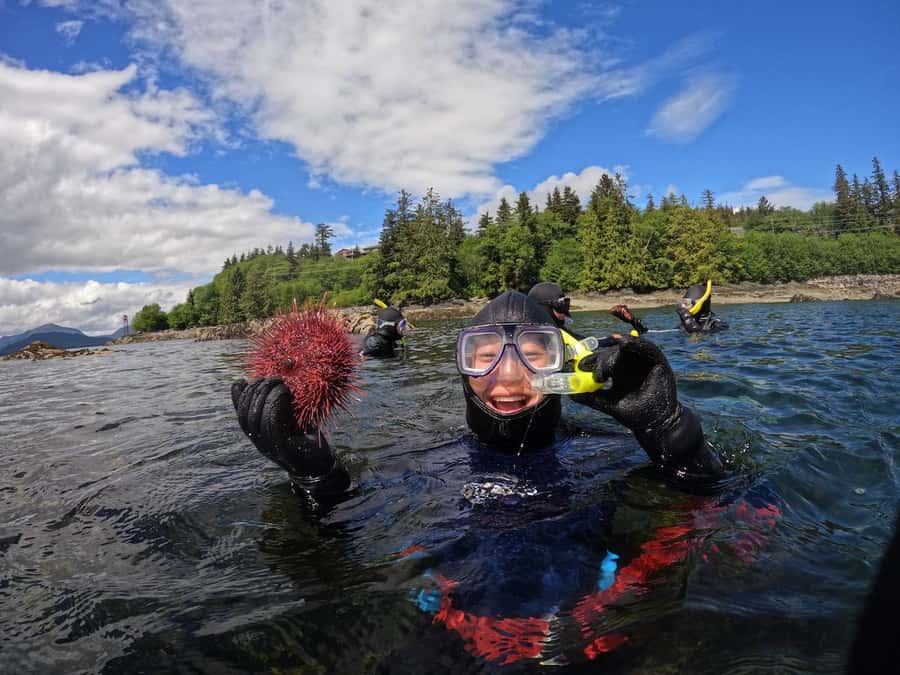
The guided marine-life portion lasts about one hour. Expect to move through shallow tide pools and along underwater rock formations while looking for animals.
Sea stars and sea urchins are among the easiest creatures to spot. Sea cucumbers may be less familiar, and your guide can explain their place in the coastal environment. Fish and colorful invertebrates add movement to the scene, while kelp gives the area its underwater structure.
The site also has steep rock walls where participants can swim lower. This is optional, not a requirement. If you are new to snorkeling, you can stay in the shallower areas and focus on breathing, balance, and spotting marine life.
I like that the tour is built around observation rather than speed. You are not rushed from one photo stop to another. The guide provides an informative narrative as you move through the area, and the included in-water supervision adds confidence for anyone who is unsure at first.
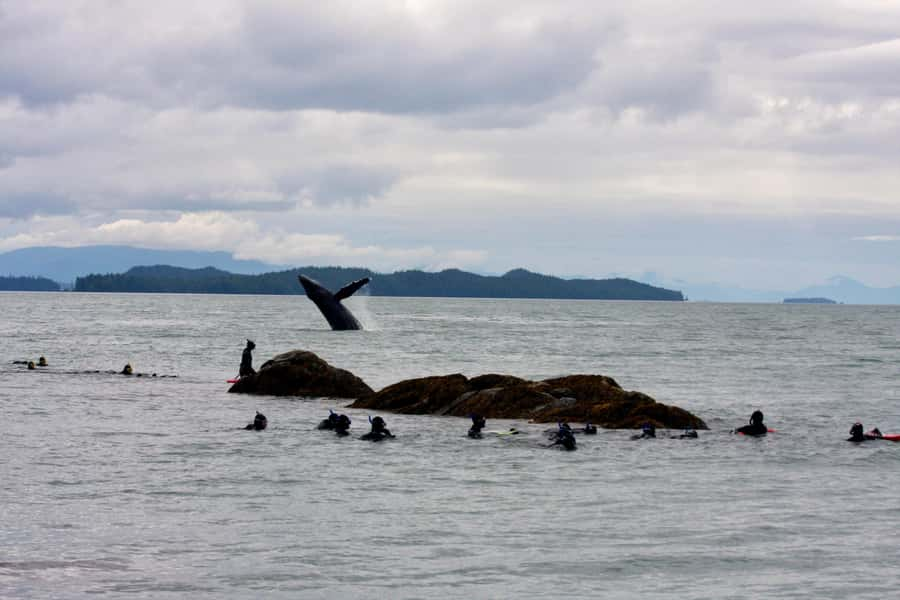
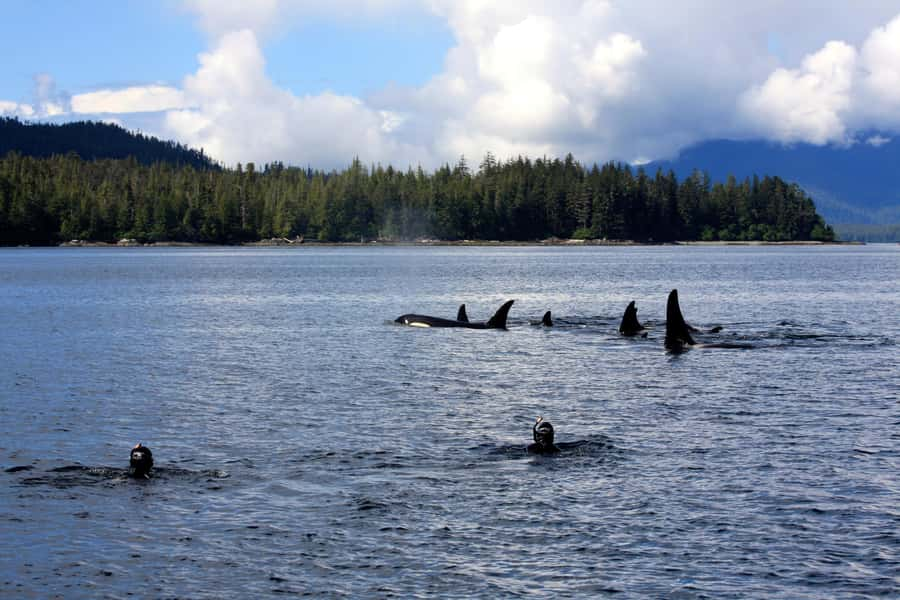
The conditions can vary. One late-season outing had rougher water, so you should not assume every visit will have glassy conditions. Wildlife sightings also change. You may see a good selection of shore life, but no responsible operator can promise a particular animal. A whale was not nearby on one outing, for example, so keep your expectations focused on the smaller marine world that makes Mountain Point special.
What the PADI guide team adds
The guides are not simply there to hand out fins. The team includes PADI Snorkeling Tour Guides, Rescue Divers, Divemasters, and SCUBA Instructors. All guides also hold CPR and First Aid certifications.
That training matters most during the entry, equipment fitting, and first few minutes in the water. A patient guide can help you relax if your mask leaks, your fins feel strange, or the cold-water setting makes you nervous.
The guides also make the experience more than a swim. They identify marine life and provide the context that turns a quick look into a proper natural-history outing. Feedback about the staff consistently emphasizes patience, friendliness, professionalism, and clear organization.
English is the listed tour language. If you need special assistance or have a medical concern, it is wise to ask before booking rather than waiting until the meeting point.
Is $189 a fair price?
The price is $189 per person. That is not cheap for a three-hour excursion, but the comparison should be with other guided adventure trips rather than with a basic beach swim.
The price includes roundtrip transportation, a full equipment package, heated changing rooms, secure storage, instruction, in-water supervision, and a one-hour guided marine-life tour. The 7mm wetsuit package is especially important because buying or renting comparable equipment separately would add cost and hassle.
You also receive hot drinks afterward, which is a modest but welcome touch in Alaska. Snorkel Alaska logo clothing costs extra, but it is optional.
The value is strongest if you want a rare activity and would otherwise struggle to arrange cold-water gear and safe supervision on your own. It is weaker if you are hoping for a relaxed sightseeing trip with little physical effort. For the right participant, the professional setup makes the price easier to justify.
The three-hour duration includes transportation, changing, instruction, and the water session. You should not expect three hours of continuous snorkeling. The actual guided marine-life time is about one hour, with the rest needed for preparation and transfers.
How it works for cruise passengers
The meeting point at Berth 2 is convenient, and roundtrip transportation is included. The operator also provides information about the pickup process for Norwegian Cruise Line passengers, which can be helpful if you are trying to match the excursion to a ship schedule.
You should check the available starting time before booking. The activity has a three-hour duration, and you need enough space before the ship’s departure for the full tour, return transfer, and any unexpected delay.
The meeting location is downtown beside the Ketchikan Visitors Center, not at a remote marina. Give yourself time to find the Liquid Sunshine Gauge and arrive ready to check in. Wear your beachwear underneath your regular clothes so changing is easier.
The operator allows free cancellation up to 24 hours before the activity for a full refund. You can also reserve now and pay later, which helps if your port schedule is still shifting.
Who will enjoy this most?
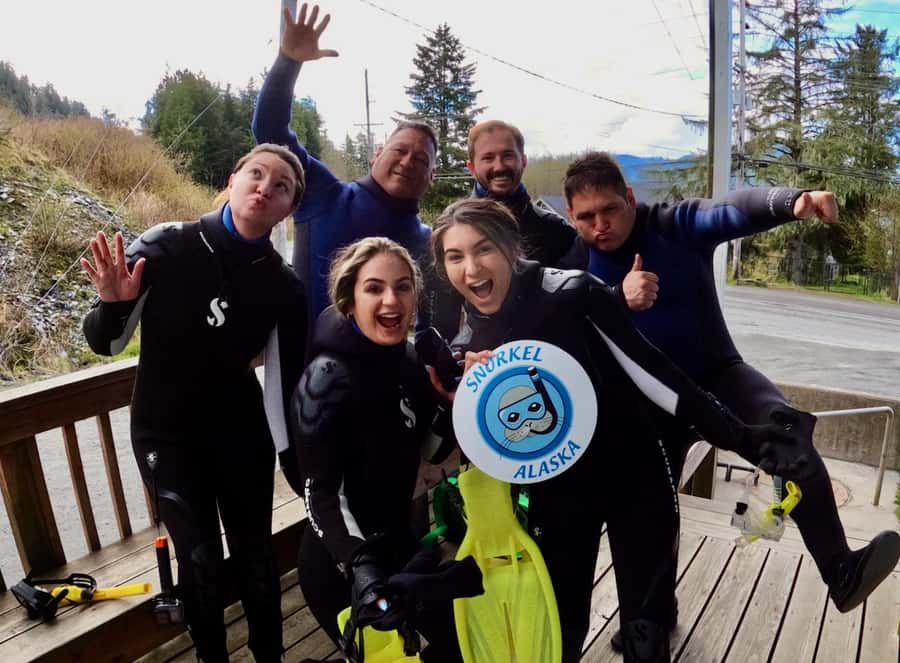
I would recommend this trip to a physically fit adult who wants something unusual and is comfortable with a little challenge. It suits experienced snorkelers, but beginners can manage it if they are willing to listen carefully and work through the shore entry.
It is also a good match for someone who values instruction. You get more than equipment and access to water. The guide-led wildlife tour gives the outing purpose and helps you notice animals you might otherwise miss.
You should skip it if you want a low-effort shore excursion, have trouble walking over uneven ground, or dislike wearing restrictive gear. The minimum and maximum weight rules are firm, and the medical restrictions are extensive.
Families should pay close attention to the age rule. Children under eight cannot participate, and the suggested upper age limit of 65 depends on fitness. The tour is not suitable for people with heart or respiratory problems, epilepsy, back trouble, fainting history, or limited mobility.
Practical tips for a better outing
Arrive with a swimsuit, towel, dry clothes, and an extra pair of socks. The socks are easy to forget, but they can improve comfort inside the wetsuit boots.
Tell the guide if you need a prescription mask. Also speak up about equipment fit before entering the water. A mask that leaks or fins that rub will distract you from the marine life.
Expect the outing to feel athletic, not passive. You will walk on rocky ground, wear heavy gear, and manage possible currents. That does not mean you need advanced snorkeling skills, but you do need reasonable fitness and confidence in the water.
Keep your expectations centered on coastal creatures rather than large animals. The main reward is the close view of sea stars, urchins, cucumbers, fish, invertebrates, kelp, and rock formations. Wildlife conditions can change, and a whale sighting is not part of the promise.
After the water session, the hot drink at the shop gives you time to warm up before changing back into dry clothes. That ending is practical and welcome, especially after a rougher day on the water.
Should you book Mountain Point snorkeling?
Book it if you want to see Ketchikan from an angle most port visitors miss, and if you are ready for a genuinely strenuous shore-based activity. The strong equipment, heated changing rooms, professional guide team, small group size, and one-hour marine-life tour make this one of the more carefully organized adventure options in town.
Skip it if you have a relevant medical condition, limited mobility, poor fitness, or any reluctance about entering from a rocky beach. The $189 price is fair for a complete cold-water setup and close supervision, but only if you will enjoy the physical challenge.
For a fit cruise passenger with an interest in marine life, this is an unusual and memorable use of three hours in Ketchikan. You may not come away with tropical fish or calm Caribbean water, but you will see Alaska in a way that many visitors never do.
FAQ
Where does the tour meet?
Meet at the Liquid Sunshine Gauge beside the Ketchikan Visitors Center on Berth 2 in downtown Ketchikan.
How long does the activity last?
The full activity lasts three hours. The guided marine-life tour in the water lasts about one hour.
What is included in the price?
Roundtrip transportation, instruction, in-water supervision, secure storage, hot drinks, and all snorkeling equipment are included.
What equipment is provided?
You receive a 7mm wetsuit, hood, boots, gloves, mask, fins, and snorkel. Prescription masks and optional weight belts are available.
How warm is the water?
Water temperatures can reach about 65 degrees Fahrenheit in mid-summer.
Do I need prior snorkeling experience?
No. The tour includes full instruction and is designed for beginners as well as experienced snorkelers.
What should I bring?
Bring a towel, swimsuit or other beachwear, a change of clothes, and an extra pair of socks to wear under the wetsuit.
Is the tour physically difficult?
Yes. It is rated Most Strenuous and includes a rocky beach entry where currents may be present.
Who cannot participate?
Children under eight, people over 260 pounds, people with limited mobility, back problems, heart conditions, respiratory disorders, epilepsy, or a history of seizures or fainting should not participate. The suggested upper age limit is 65, depending on fitness.
Can I cancel the booking?
You can cancel up to 24 hours before the activity for a full refund. Reserve now and pay later is also available.
Just added around the USA
- Boca Raton Premium Jet Ski Tour – Optional Snorkeling/Lighthouse★ 5.0 · 9 reviews
- Waikoloa Catamaran Snorkel Sail Including Lunch★ 4.5 · 105 reviews
- 2-Hour Dolphin Watching and Double Reef with Snorkel in Hawaii★ 5.0 · 23 reviews
- Ultimate Ocean Encounters Midday Snorkel★ 4.5 · 43 reviews
- Two Tank Morning Reef Dive and Snorkel★ 5.0 · 54 reviews
- Manta Ray Night Snorkel Tour in Kailua-Kona, Big Island★ 5.0 · 382 reviews
- Kona Luxury Catamaran Yacht Snorkel & Sail★ 5.0 · 40 reviews
- Sunset Cruise & Manta Night Snorkeling Charter★ 5.0 · 16 reviews
USA Snorkeling Tours, compared.
Grand Tour Around Island 16 Locations plus Snorkeling
Read our review →
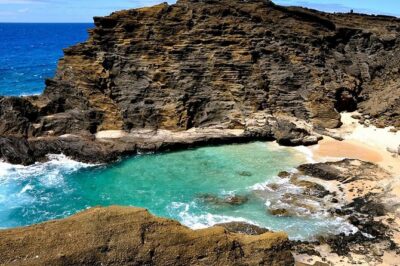
Oahu’s Ultimate Tour: Dole, Turtle Snorkel, Pali Lookout & More
Read our review →Oahu Circle Island Tour with Turtle Snorkeling— Small-Groups
Read our review →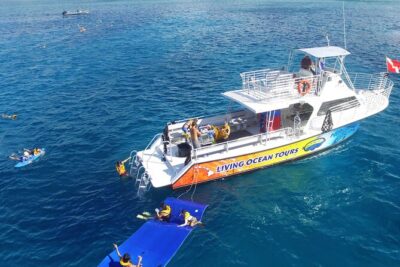
Waikiki, Hawaii: Turtle Canyon Snorkel Excursion
Read our review →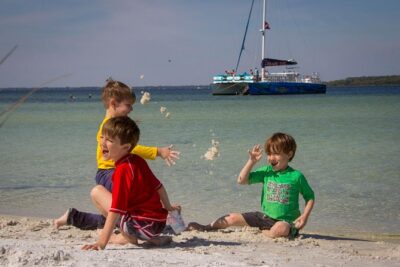
Shell Island Snorkel and Dolphin Catamaran Cruise with Island Time
Read our review →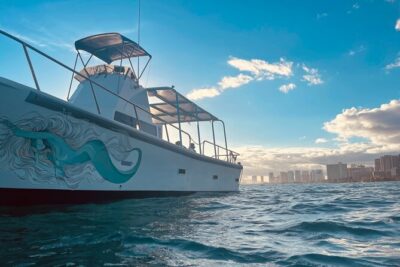
Turtle Canyon Snorkel Adventure in Waikiki, Oahu
Read our review →
The ‘OG’ Manatee Snorkel Tour with In-Water Guide/Photographer
Read our review →Browse the lists this tour appears in