Review · WORLDWIDE
Goat Island Guided Snorkelling Tour For Advanced
Goat Island rewards calm, confident snorkelers. This 150-minute guided outing helps you move beyond surface swimming, with coaching on ducking below the water, equalizing your ears, and clearing a snorkel. I like the careful start in shallow water, and I like that the equipment remains available for the rest of the day. The main catch is simple: this is not for beginners or weak swimmers.
You need to be at least 12, already comfortable snorkeling, and confident in the ocean. The guide speaks English, and everyone must understand the safety instructions. At $56 per person, the price is fair for instruction, equipment, and a full day of gear use, but you are responsible for driving the 3 kilometers from the shop to the reserve.
Key points to know before you book
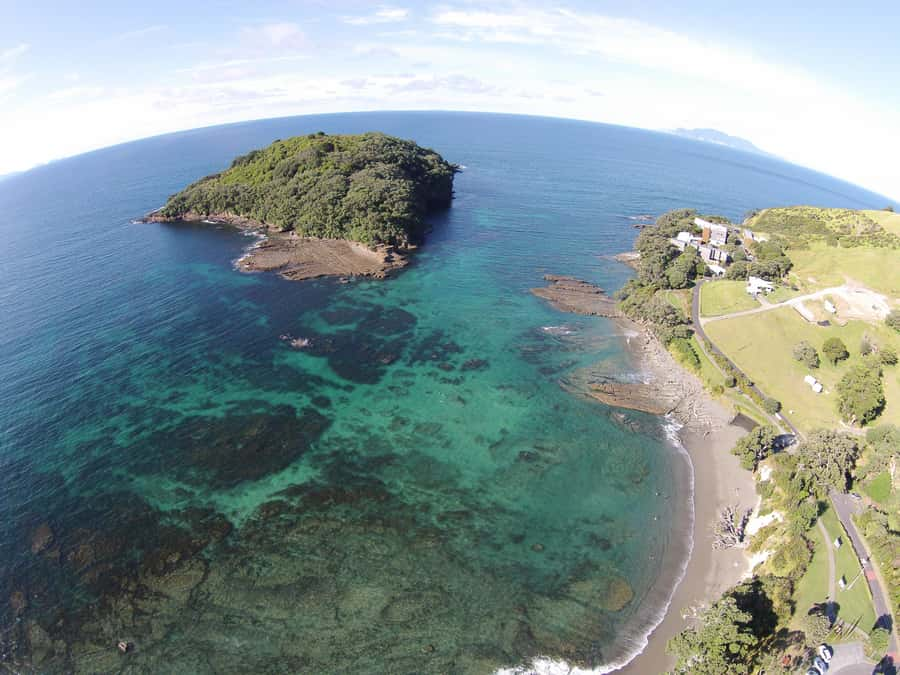
- Goat Island Marine Reserve: Explore New Zealand’s first marine reserve, where the protected water supports a wide range of marine life.
- Advanced coaching: Practice ducking below the surface, equalizing your ears, and clearing your snorkel with a certified guide nearby.
- Shallow-water start: You begin in calmer, shallower water before moving farther out, giving you time to settle into the equipment.
- Full-day equipment use: Keep the mask, snorkel, fins, wetsuit, and weight belt for the rest of the day after the guided session.
- Self-drive transfer: Collect your gear at Goat Island Dive and Snorkel Centre, then drive your own vehicle 3 kilometers to the reserve.
- Best for experienced swimmers: Children under 12, non-swimmers, first-time snorkelers, and people with pre-existing medical conditions should choose another activity.
What makes this Goat Island tour different
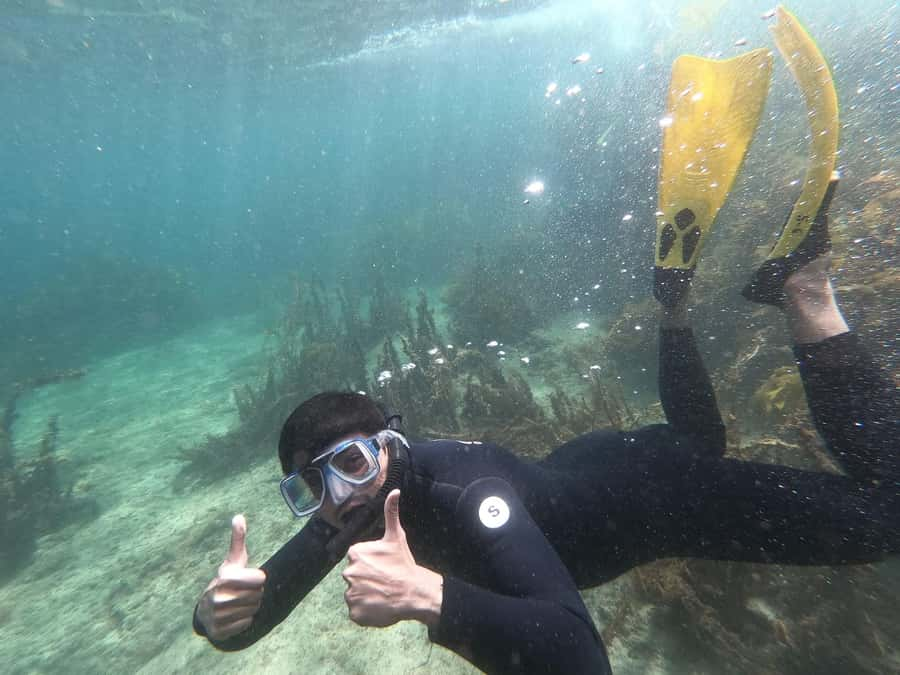
Goat Island is not simply a place to rent a mask and wander into the water. This tour is built around improving your technique. That matters because snorkeling becomes much more rewarding once you can stay relaxed at the surface, lower yourself beneath it with control, and return without rushing.
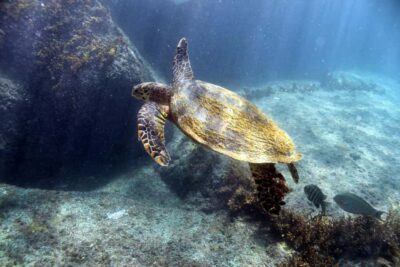
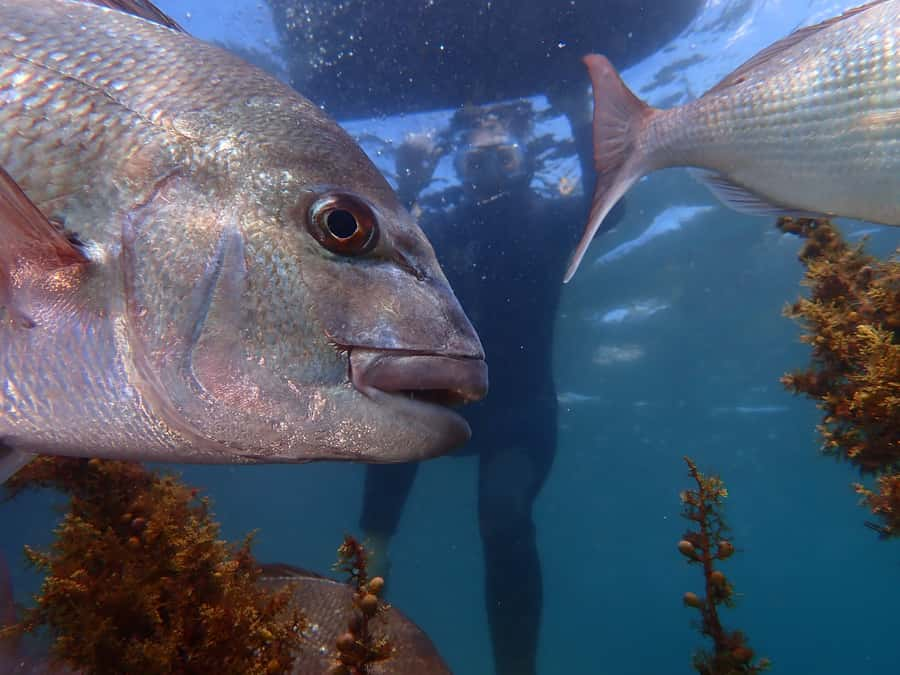
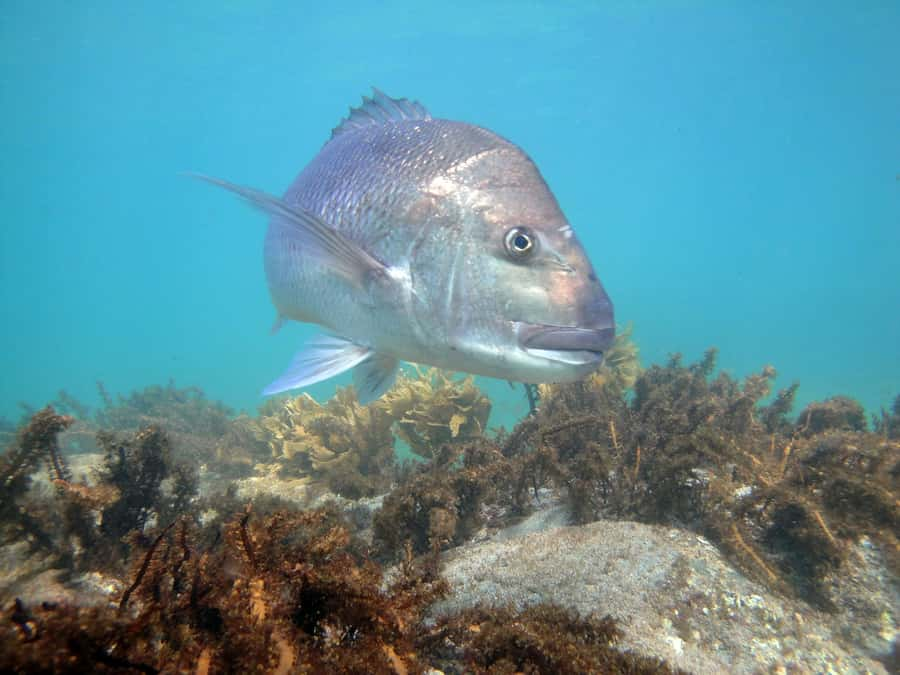
The session takes place in Goat Island Marine Reserve, New Zealand’s first marine reserve. Protected waters give you a chance to see marine life in its natural setting, rather than in an aquarium or a managed display. You might encounter many kinds of fish and other sea life, and the guide will explain what you are likely to see before you enter the water.
I especially like the practical focus. You are not given a long classroom lesson and then sent off alone. The instructor watches the group begin in shallow water, checks that the equipment is working, and introduces new skills once everyone feels settled.
That approach suits an intermediate snorkeler who knows the basics but still feels awkward below the surface. It also gives you a safer way to work on breathing, ear pressure, and snorkel control than trying to teach yourself in open water.
More Guided Trips in the world:
- San Juan Guided Snorkel With Turtles Tour and Videos
★ 5.0 · 12,947 reviews - Dubrovnik: Sea Kayaking&Snorkelling Guided Day/Sunset Tours
★ 4.9 · 2,869 reviews - The ‘OG’ Manatee Snorkel Tour with In-Water Guide/Photographer
★ 5.0 · 2,539 reviews
Start at Goat Island Dive and Snorkel Centre
Your visit begins at the Goat Island Dive and Snorkel Centre. Here, you collect the equipment needed for the session:
- Mask
- Snorkel
- Fins
- Wetsuit
- Weight belt
A proper fit makes a large difference. A leaking mask can ruin a good swim, while loose fins or an uncomfortable wetsuit can distract you from the water around you. Take the fitting seriously and speak up if something feels wrong.
You should arrive with swimwear and a towel. Food and drinks are not included, so plan those separately. The tour also does not include transport to the reserve. You drive your own vehicle, which keeps the arrangement simple but means you need to allow time for the short transfer.
The drive is only 3 kilometers, yet it is an important detail. Do not assume you will walk as part of the organized tour or be carried in a group vehicle. You check in at the shop, collect your gear, and make your own way to Goat Island Marine Reserve.
The 3-kilometer move to the reserve
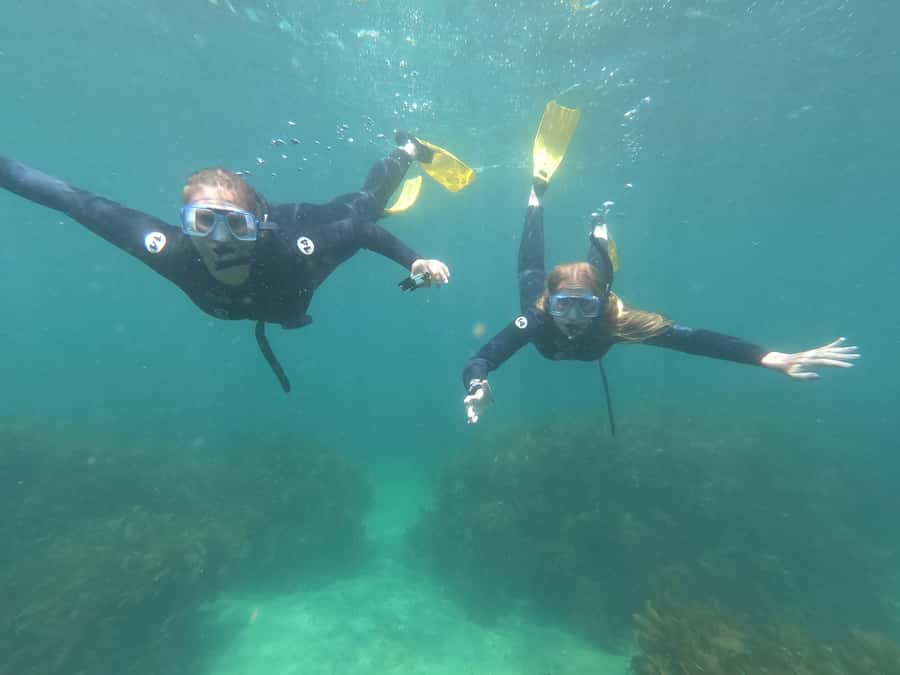
Once fitted out, you drive to the reserve and meet your instructor there. This split between the shop and the water is useful to understand before booking, especially if you are arranging several activities around the same day.
At the reserve, the guide introduces Goat Island’s background and explains the marine life you may see. This short briefing helps you pay attention once you enter the water. Instead of looking at every fish as a blur, you will have some idea of what to watch for.
The guide also gives a full safety briefing. That is not a formality here. Ocean conditions can feel different from a swimming pool, and the tour is only suitable for people already comfortable in the sea. You must understand the instructions in English, so this is not the right choice if that would be difficult.
Alcohol and drugs are not allowed. Touching marine life is also prohibited. That rule protects the animals and keeps your visit in line with the purpose of a marine reserve. You are there to observe, not handle, chase, or pose with wildlife.
A gentle start in shallow water
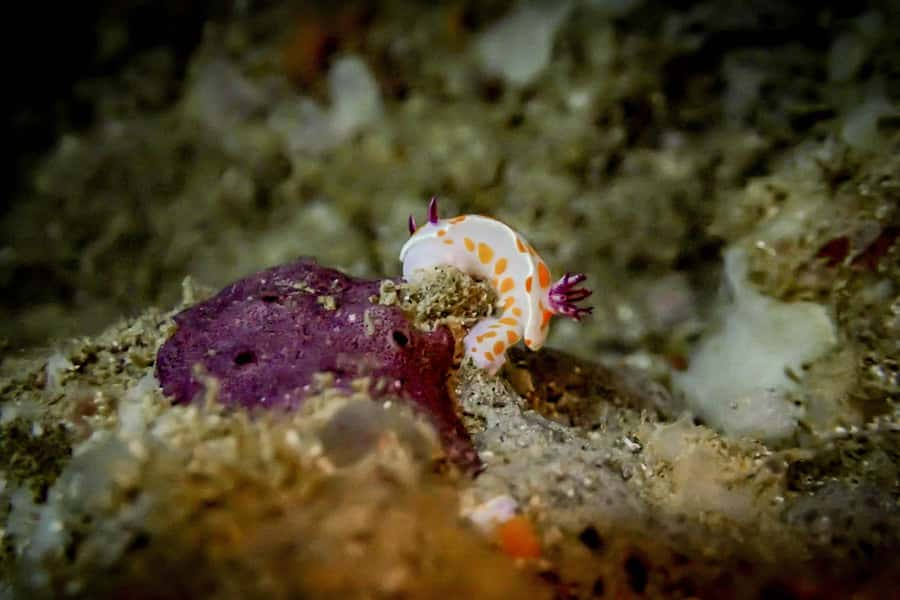
The water session begins in the shallows. This is one of the strongest parts of the plan because it lets you test the mask, snorkel, fins, wetsuit, and weight belt before heading farther out.
The instructor can see how everyone is managing, and you get time to settle your breathing. If your mask needs adjustment or your snorkel feels unfamiliar, it is much better to find out at the start than later in deeper water.
The shallow-water stage also keeps the lesson practical. You can work on posture and fin movement without feeling pressure to keep up with the group. Once everyone is comfortable, the guide leads the group onward to explore more of the reserve.
The exact marine-life sightings cannot be promised. Conditions, visibility, and animal movements change. Still, the reserve setting gives the outing a strong advantage because you are practicing skills in a protected marine environment rather than in an artificial training area.
A few more days in the water around the world worth a look
- Oahu: Grand Tour Around Island 16 Locations plus Snorkeling
★ 5.0 · 8,669 reviews - Tenerife: Kayak and Snorkel with Turtles, Wetsuits Included
★ 4.6 · 7,215 reviews - ️Nusa Penida by Private Boat – Snorkeling 4 spots, Swim with Mantas + Land Tour
★ 5.0 · 6,424 reviews - Big Island Manta Ray Night Snorkel
★ 5.0 · 5,656 reviews
Learning to duck below the surface
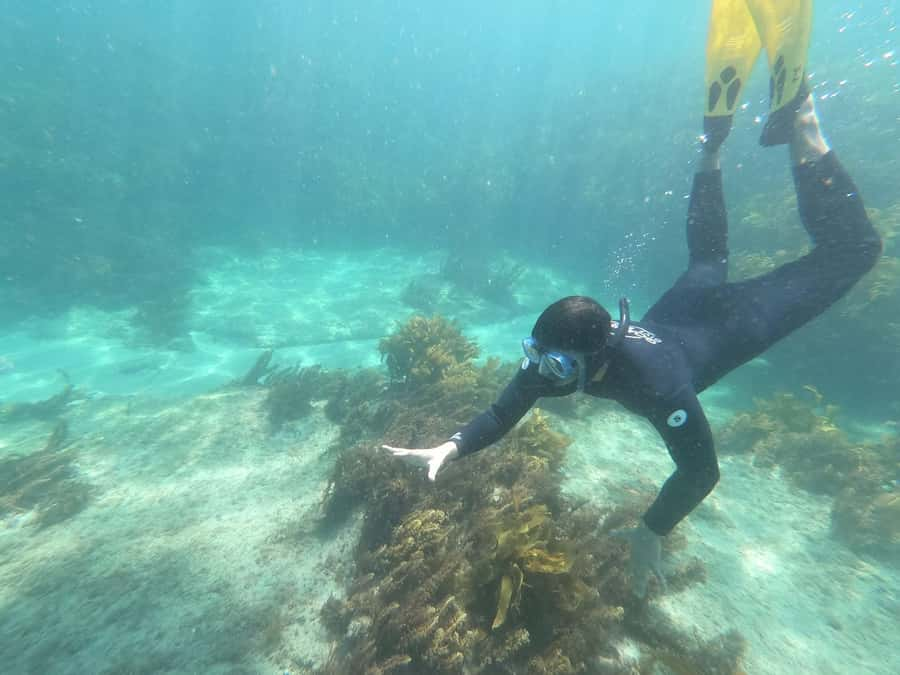
The central lesson is learning how to duck below the surface while snorkeling. The supplied description calls this an advanced skill, and that is fair. It requires calm movement, good timing, and enough confidence to let your face and upper body go below the surface without panicking.
The guide shows you how to put the technique into practice during the tour. You can then use it to look beneath ledges, inspect marine life from a closer angle, or simply become more comfortable moving through the water column. I would treat this as skill practice rather than a promise of constant close encounters.
Equalizing your ears is another key part of the lesson. Pressure can build as you move downward, so learning to equalize early and calmly is important. The guide can help you understand the technique, but you should never force it if your ears hurt.
You also practice clearing your snorkel. Water entering the tube can be startling, especially when you are already concentrating on breathing. Knowing how to clear it gives you one less reason to stop, stand up, or lose your rhythm.
These are small skills, but they add up. You become less dependent on the surface and more able to explore at your own pace. The benefit is not just a better tour today. It can make future snorkeling trips easier and less tiring.
Marine life around New Zealand’s first reserve
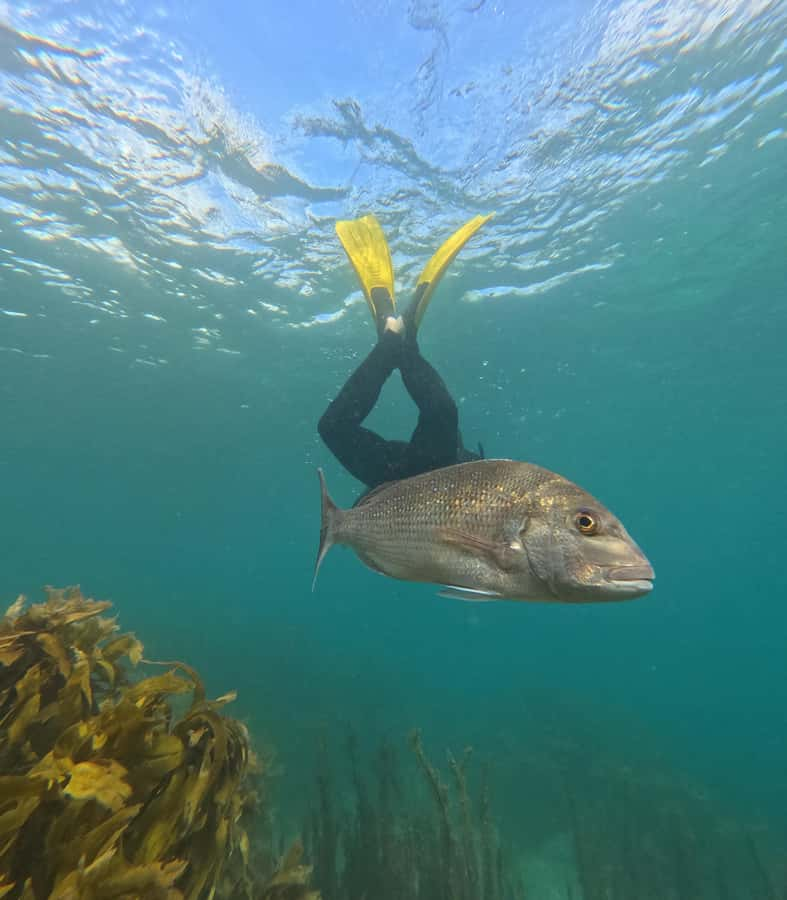
Goat Island’s appeal comes from the chance to see marine life in a protected coastal setting. Your guide explains what you are likely to encounter, and the reserve gives you a reason to slow down and look carefully.
The outing is not built around one guaranteed animal sighting. That is worth accepting before you arrive. Nature does not operate on a schedule, and the guide cannot promise a particular fish, ray, or other creature.
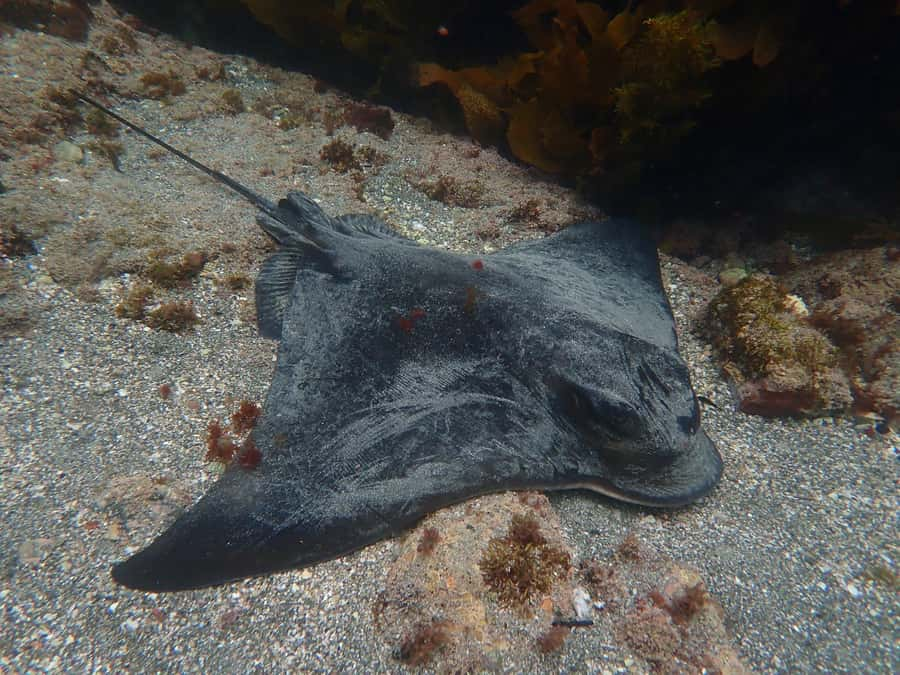
Still, the wildlife can be memorable. One account of the experience specifically noted a stingray and many other fish, while also praising the guide’s enthusiasm and explanations. Guide Skye was singled out for bringing energy to the group and helping people feel excited about the water.
That human element matters. A guide who keeps the group engaged can turn a technical lesson into a more enjoyable outing. At the same time, enthusiasm does not replace skill or safety, so the best experience combines both: clear instructions and genuine interest in the marine life.
You must not touch the animals. Keep your hands to yourself, avoid chasing anything, and let the reserve remain a place where marine life can behave naturally.
Keeping the equipment for the rest of the day
The $56 price becomes more attractive because the gear is yours to use for the remainder of the day. The guided portion lasts 150 minutes, but your time in the water does not have to end when the instructor leaves.
This is useful in two ways. First, you can keep practicing the techniques while they are fresh. Second, you can spend more time enjoying Goat Island without paying again for another equipment rental during the day.
The full-day arrangement also gives the tour a good balance between instruction and independence. You receive guidance at the start, then have the option to continue on your own. If you prefer structured learning, the 150-minute session may be enough. If you want more water time, the extra gear use adds real value.
You are still responsible for using the equipment properly and following reserve rules. The tour does not suggest that the guide supervises you for the entire day, so treat the later self-guided time as your own responsibility.
Is $56 good value?
At $56 per person, this is a reasonably priced skills session for someone who needs equipment as well as instruction. You receive a certified guide, a full equipment package, a safety briefing, access to a protected marine reserve, and use of the gear for the rest of the day.
The price is less compelling if you already own all your equipment and only want to swim independently. In that case, the main value comes from the coaching and the chance to learn better technique with a professional.
The tour also avoids a common problem with short water activities: you are not rushed straight into the main event. The shallow-water start and practice time make the session feel purposeful rather than like a quick equipment rental.
For a first-time snorkeler, though, $56 would not solve the main issue because this outing requires previous experience. You should not book it simply because it is affordable. The right question is whether you can already snorkel confidently and want to improve.
Who should book, and who should skip it
I would choose this tour if you can swim confidently in the ocean, have snorkeled before, and want help with technique. It is particularly suited to you if you can stay calm when water enters the snorkel or when your ears feel pressure below the surface.
The guided format also works well if you like learning by doing. You receive a short introduction, enter shallow water, and then practice the techniques in the reserve. You are not left to figure out the process from written instructions alone.
You should skip it if you are a non-swimmer, a beginner snorkeler, or under 12. The activity is also not suitable for people with pre-existing medical conditions. If you have any concern about your ability to manage ocean swimming, choose a gentler option and ask a medical professional before booking.
Because the guide speaks English, you need to understand the safety briefing. That is a firm practical requirement, not a minor preference.
The experience has earned a 4.8 rating from nine ratings, with especially strong praise for the guide’s enthusiasm and the marine-life explanations. That matches the tour’s main strength: it combines a real lesson with time in a notable marine reserve.
Practical advice for a better visit
Bring swimwear and a towel, and plan your food and drinks before or after the activity because they are not included. Allow enough time to check in, get fitted, and drive the 3 kilometers to the reserve.
Do not treat the advanced label as marketing fluff. You need previous snorkeling experience, and the open-water setting requires confidence. If you have only tried snorkeling once in a calm pool or shallow beach, this may feel too demanding.
Pay close attention to the first safety briefing. Remember the steps for clearing your snorkel, and equalize early rather than waiting until your ears become uncomfortable. Move slowly around marine life and never touch it.
The full-day equipment use is worth planning around. After the guided session, you can keep practicing and enjoying the reserve independently, provided you follow the local rules and remain within your own ability.
Should you book the Goat Island advanced snorkel tour?
Book it if you already snorkel well, want to learn how to move below the surface with more control, and like the idea of seeing marine life in New Zealand’s first marine reserve. The shallow start, certified guide, and full-day equipment use give the $56 fee solid value.
Skip it if you are new to snorkeling, uncomfortable in the ocean, unable to follow English safety instructions, or looking for a fully supervised day from start to finish. For the right swimmer, this is a focused and practical way to sharpen basic skills while enjoying Goat Island on your own terms.
FAQ
How long does the Goat Island advanced snorkeling tour last?
The guided session lasts 150 minutes.
How much does the tour cost?
The price is $56 per person.
Where do I meet for the tour?
You check in at the Goat Island Dive and Snorkel Centre to collect your equipment. You then drive your own vehicle 3 kilometers to Goat Island Marine Reserve.
Is transportation to Goat Island Marine Reserve included?
No. Transport from the dive shop to the marine reserve is not included, and you drive your own vehicle.
What equipment is provided?
The tour provides a mask, snorkel, fins, wetsuit, and weight belt. You can use the equipment for the rest of the day after the guided session.
Do I need previous snorkeling experience?
Yes. All participants must have snorkeled before and must be confident swimming in the ocean.
Can children join the tour?
Participants must be at least 12 years old. Children under 12 cannot join.
What should I bring?
Bring swimwear and a towel. Food and drinks are not included.
Is the tour available in languages other than English?
No. The live guide speaks English, and all participants must understand the safety instructions in English.
Can I cancel the booking?
You can cancel up to 24 hours in advance for a full refund. You can also reserve now and pay later, keeping your plans flexible.
Just added around the world
- Snorkeling in Puerto Morelos★ 5.0 · 164 reviews
- Snorkel at the Reef 2 HOURS Puerto Morelos National park★ 5.0 · 69 reviews
- Catamaran Snorkeling with Openbar & Lunch Cancun to Isla Mujeres★ 4.5 · 9 reviews
- Cancun Dancer Cruise to Isla Mujeres with Snorkeling and Lunch★ 4.5 · 353 reviews
- SeaRay 43ft Isla Mujeres, Snorkelling and more!!★ 5.0 · 15 reviews
- Riviera Maya Snorkeling★ 5.0 · 14 reviews
- Cancun Adventure: Reef Snorkeling & Parasailing Experience★ 4.5 · 41 reviews
- Reef Snorkel In National Park In Puerto Morelos With Lunch And Transportation★ 4.0 · 52 reviews
Guided, compared.
San Juan Guided Snorkel With Turtles Tour and Videos
Read our review →
Sea Kayaking&Snorkelling Guided Day/Sunset Tours
Read our review →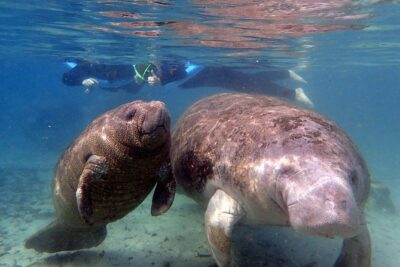
The ‘OG’ Manatee Snorkel Tour with In-Water Guide/Photographer
Read our review →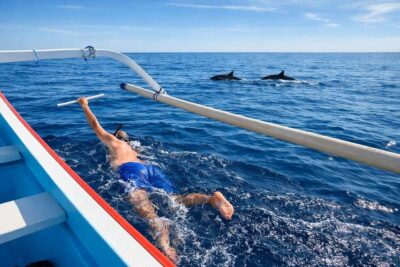
Guided Dolphin Watching & Sunrise Boat Snorkel
Read our review →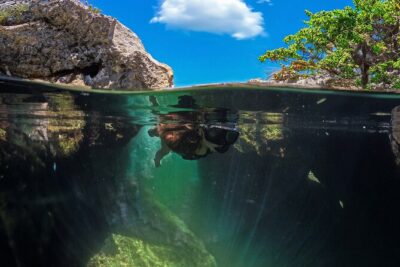
Tulum Guided Tour, Magical Cenote, Lagoon Snorkeling and Beachside Lunch
Read our review →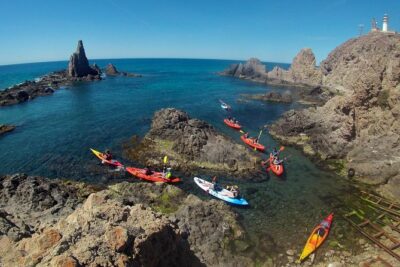
Cabo de Gata Active. Guided kayak and snorkel route through coves of the Natural Park
Read our review →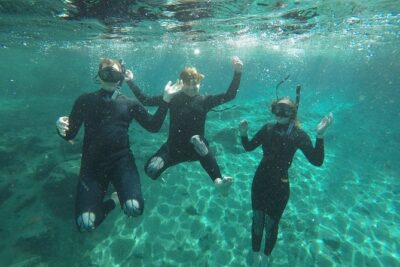
Guided Small Group Manatee Snorkeling Tour with In-Water Photographer
Read our review →